What Is Ian Somerhalder’s Religion? Is He a Christian?

Ian Somerhalder at GalaxyCon San Jose in August 2026

Ian Somerhalder was raised Catholic, according to a 2012 Philippine Star profile published alongside an interview with him. That is a statement about his upbringing. It does not, by itself, establish his current religious practice or show that he now personally professes Christian faith. The sources reviewed here support describing a Catholic background while leaving his present religious affiliation unconfirmed.

LOST viewers know him as Boone Carlyle. Other audiences know him as Damon Salvatore on The Vampire Diaries. Neither role answers the question of his religion. A supernatural drama is a fictional setting, not a declaration of what its actors believe about God or eternal life.

What is documented about his background?

The Philippine Star placed Somerhalder’s Catholic upbringing in its biographical introduction. The interview itself focused on his visit to the Philippines, acting, animals, environmental concerns, and compassion. It is helpful to preserve that distinction: the childhood religious label was reported by the publication, rather than presented as a new statement of current belief by Somerhalder.

Religious upbringing can influence vocabulary, memories, and moral questions for a lifetime. People can continue in that tradition, move away from it, or understand it differently as adults. A responsible profile should not decide which has happened without clear evidence from the person concerned.

The same care applies to family relationships. A spouse’s religious background does not automatically become the other spouse’s religion. Public people deserve the same accuracy we would want when someone describes our own convictions.

Compassion and responsibility in his interviews

In the 2012 conversation, Somerhalder discussed concern for mistreated animals and hopes to help young people learn compassion. He described environmental work as an opportunity to involve youth in caring about their future. Those comments explain a public interest he chose to discuss; they are not a Christian testimony.

A 2026 Chalkboard interview with Somerhalder and Nikki Reed described their family, farm, and business interests. Somerhalder spoke about accountability, the consequences of business decisions, intentional consumption, and time in nature. This profile does not evaluate the health products discussed there. The relevant point is that his public conversation included responsibility toward people and the environment, without providing a clear statement of religious affiliation.

These subjects give Christian readers worthwhile questions to consider. How should we care for what has been entrusted to us? What is compassion for? Can meaningful service answer our deepest spiritual need?

Caring for creation without confusing it with the Creator

Genesis 2:15 presents human beings as responsible workers and caretakers within God’s creation. Proverbs 12:10 recognizes care for animals as part of righteous conduct. Christians should not dismiss kindness to living creatures or thoughtful use of resources as trivial concerns.

At the same time, biblical faith distinguishes the Creator from creation. Romans 1 warns against exchanging worship of God for worship of created things. Enjoying a forest, caring for soil, or protecting animals can inspire gratitude. None of those experiences, by itself, tells us that our guilt before God has been removed.

There is also a limit to making personal worth depend on how useful or productive we are. A frail person who cannot maintain a farm or lead a campaign still has dignity. Scripture grounds human value in being made in God’s image, not in a lifestyle, an audience, or the size of a public contribution.

Why good causes do not settle the question of sin

Compassion is good, but God’s law examines more than our most admirable interests. The Ten Commandments forbid dishonesty, theft, adultery, coveting, and giving God’s place to something else. Jesus teaches that anger and lust expose sin within the heart. None of us has kept that law perfectly.

Romans 3:23 says all have sinned. A helpful project cannot undo a lie, and a generous act cannot make the past cease to exist. God is just and will hold us accountable. This is a shared human problem, not a reason to single out Somerhalder for condemnation.

The question is therefore not whether we have ever done good. It is how guilty people can be reconciled to a holy God. If we depend on our record, we always have something left to repair and something else we would rather hide.

Grace is a gift from the living Savior

Jesus Christ is God’s divine Son. He became man and lived a sinless life. He willingly died on the cross in the place of sinners, bearing the judgment we deserve. He was buried and rose bodily from the dead. The Gospel is news of what he accomplished, not a plan for earning our own forgiveness.

Ephesians 2:8–9 says salvation comes by grace through faith, not works. We are invited to acknowledge our sin and trust Jesus’ finished work. His sacrifice is sufficient; his resurrection gives a sure foundation for the promise of eternal life. Good works follow as a grateful response to that gift.

Somerhalder’s reported Catholic upbringing is a documented part of his story. His present profession remains unconfirmed in the sources reviewed. For every reader, the Christian hope is personal trust in Christ, whose saving work is greater than any cause we could undertake.

Sources

The Philippine Star: Interview with Ian Somerhalder, May 2012.

The Chalkboard: Living Well with Ian Somerhalder and Nikki Reed, March 2026.

Scripture: Genesis 1:27; 2:15; Proverbs 12:10; Exodus 20:1–17; Matthew 5:21–30; Romans 1:25; 3:23; 1 Corinthians 15:3–4; Ephesians 2:8–10.

Photo: John Manard / WikiPortraits, via Wikimedia Commons, CC BY-SA 4.0. Resized.

What Is Harold Perrineau’s Religion? Is He a Christian?

Harold Perrineau at the 2014 Comic-Con Constantine panel

Harold Perrineau has played Michael Dawson on LOST, the angel Manny on Constantine, and Boyd Stevens on FROM. Those roles put him near questions about evil, sacrifice, fatherhood, and rescue. But they do not establish his personal religion. The interviews reviewed here do not confirm a current religious affiliation or a clear profession of Christian faith.

The honest answer is therefore limited: Perrineau’s religion is not confirmed by these sources. That is different from calling him an atheist or assuming he is a Christian. An actor can discuss religious ideas intelligently without publicly adopting a particular faith.

An angel on screen is not a statement of belief

In a 2014 BET interview, Perrineau discussed playing Manny on Constantine. He explained that this character was created for the television series rather than taken directly from the comics. He enjoyed developing a mysterious role whose intentions were not immediately clear.

Asked about religious imagery, he recognized that people have strong views about angels and might challenge the portrayal. His answer concerned the dramatic possibilities of a fictional angel. It was not a personal explanation of the Bible, a church affiliation, or a testimony about salvation.

Christian readers should make the same distinction. A television show may borrow biblical words while inventing its own supernatural world. Its angels, rules, and conflicts should be evaluated as storytelling rather than treated as a reliable guide to God.

Fatherhood is a connection he has identified

Perrineau’s 2022 interview with Pop Culture Principle offers a clearer personal connection. Discussing FROM, he said that being a parent helped him understand Boyd and Michael. He described deep love for his children and family, while acknowledging that his own way of handling conflict differed from some of his characters’ methods.

He also spoke about helping a cast and crew work together. He wanted to serve the story, collaborate with different departments, and keep pressure from becoming an excuse to treat others badly. His long career includes Oz, The Best Man films, and the Matrix sequels, as well as LOST.

These remarks show the kinds of responsibilities he discussed publicly: family, work, and cooperation. They give readers something concrete to consider without asking a television performance to reveal beliefs the actor has not stated.

Does love justify every method?

Michael’s struggle to protect Walt raises one of LOST’s hardest moral questions. When someone we love is threatened, does that make any action acceptable? The series makes the emotional pressure vivid. Understanding that pressure, however, is different from saying every choice made under it is right.

The Bible honors parents’ responsibility to care for their children. It also places that love within a larger duty to God and neighbor. Romans 3:8 rejects doing evil so that good may result. A good goal does not turn betrayal into faithfulness or make innocent people expendable.

This is a question for ordinary life as well. A parent may be tempted to lie for a child, cover up harm, or excuse cruelty as protection. Genuine care must include truth and moral courage. We can sympathize with fear while refusing to call wrongdoing good. This is a Christian evaluation of the story, not a claim about Perrineau’s personal conduct.

Leadership begins with serving people

Perrineau’s comments about a collaborative set provide another useful point of contact. In Mark 10:42–45, Jesus contrasts domineering power with service. Authority is not permission to make everyone else carry our anxiety. The people around us are neighbors to love, not tools for protecting our position.

That principle applies at home and at work. Listening, sharing credit, accepting correction, and speaking honestly are often less dramatic than a heroic speech. They can also require more patience. A person’s title does not make harsh behavior harmless. Christians should welcome examples of responsible collaboration without assuming that good professional conduct proves someone’s religion.

The rescue every person needs

God’s law reaches beyond our best intentions. The Ten Commandments forbid murder, adultery, stealing, false witness, coveting, and worshiping anything above God. Jesus also exposes anger and lust in the heart. Each of us has broken God’s law in thought, word, or action.

Romans 3:23 says all have sinned. God is just, and we will answer to him. Love for our family and helpful work are valuable, but they cannot erase guilt or make us our own saviors. We need forgiveness that rests on something stronger than a record of good deeds.

Jesus Christ, God’s divine Son, came to provide that rescue. He lived a sinless life and willingly died on the cross as the substitute for sinners. He was buried and rose bodily from the dead. His resurrection confirms that he is the living Savior, not merely a comforting figure in a story.

Ephesians 2:8–9 teaches that salvation is by grace through faith, not works. We are invited to acknowledge our sin and trust Jesus’ finished work for forgiveness and eternal life. Good works follow as a response to grace; they do not purchase it.

Perrineau’s religious identity remains unconfirmed here. His work can prompt serious reflection, but the Christian hope rests on the real Christ and what he has done for people who cannot rescue themselves.

Sources

BET: Harold Perrineau discusses Constantine and The Best Man, November 2014.

Pop Culture Principle: Harold Perrineau interview, February 2022.

Scripture: Exodus 20:1–17; Matthew 5:21–30; Romans 3:8, 23; Mark 10:42–45; 1 Corinthians 15:3–4; Ephesians 2:8–10.

Photo: Derek Hofmann, cropped by Aiksu, via Wikimedia Commons, CC BY-SA 2.0. Existing crop.

What Is Emilie de Ravin’s Religion? Is She a Christian?

Emilie de Ravin speaking at Comic Con Brussels in 2022

Emilie de Ravin is known for playing Claire Littleton on LOST and Belle on Once Upon a Time. Both roles invite questions about hope, love, and what lies beneath appearances. They do not, however, identify the actress’s religion. The public interviews reviewed for this profile do not confirm her current religious affiliation or a personal profession of Christian faith.

That is a limit on the available evidence, not a declaration that de Ravin has no spiritual beliefs. It would be unfair to turn a guess into a fact merely because readers want a simple label. The best place to begin is with what she has actually said.

Her own words about beauty and character

In a 2012 Parade interview, de Ravin discussed becoming Belle. She had not watched Disney’s animated Beauty and the Beast before filming her first episode, but she knew the story. She admired its lesson that a person’s worth and beauty are deeper than outward appearance, and thought adults could benefit from that reminder too.

She also spoke about the welcome she received from her new colleagues, the transformation created by costumes and makeup, and the varied reactions fans had to LOST’s ending. These are useful first-person comments about her work and values. None is a claim about church membership, conversion, or belief in Jesus as Savior.

De Ravin’s Australian background and work in American television are parts of her career story. They cannot fill that gap. Neither nationality nor a character’s name tells us what a person believes about God.

Claire and Belle raise different questions

Claire’s experience on LOST places motherhood, fear, separation, and belonging at the center of the drama. Belle’s story asks viewers to look past a frightening exterior and consider whether someone can change. De Ravin brings emotional life to these fictional people. We should keep their written choices separate from her private convictions.

That distinction also helps us watch thoughtfully. We can ask whether a storyline portrays love wisely without claiming the actress endorses every message in it. We can recognize a character’s courage without treating the performer as an example of a particular religion. Appreciating art does not require inventing a testimony for its artists.

For readers interested in faith, the question becomes larger than whether a favorite actress has the same label we do. What makes a person valuable? What does real love require? And what kind of change can reach beyond an improved image to a restored relationship with God?

Looking deeper than appearance

First Samuel 16:7 contrasts human attention to outward appearance with God’s knowledge of the heart. Christians can agree with de Ravin’s stated appreciation for inner character. People should not be ranked by glamour, wealth, youth, or whether they fit a fashionable ideal. Every person bears God’s image and deserves dignity.

Yet the biblical teaching goes further than a comforting statement that everyone is beautiful inside. God sees inward goodness, but he also sees the jealousy, pride, anger, and selfishness that we hide successfully from other people. Being misunderstood by others does not make us morally perfect. Having admirable qualities does not remove our need for mercy.

Love also involves truth. First Corinthians 13 describes love as patient and kind, and says it rejoices with the truth. Caring about someone does not mean approving every harmful choice. A person can wish for another’s restoration while refusing to excuse cruelty or remain in danger. Fictional romance should never become an instruction to ignore real harm.

Why a new image cannot erase sin

God’s law brings the question of character home to each of us. The Ten Commandments forbid lying, stealing, adultery, coveting, and worshiping anything in God’s place. Jesus teaches that the heart matters as well as the outward act. None of us has perfectly loved God and our neighbor.

Romans 3:23 says all have sinned. We cannot settle that problem with a more attractive appearance, a better public story, or enough good deeds to distract from the wrong. God’s judgment is just. We need forgiveness from the One we have offended, and we cannot earn it by becoming our own rescuer.

This diagnosis is shared by the writer and reader. It is not an accusation aimed at de Ravin. We do not know her heart; we can honestly acknowledge our own failures before God.

The love that acted for sinners

The Gospel announces what God has done. Jesus Christ is his divine Son, who became man and lived a sinless life. He loved sinners without calling sin harmless. On the cross, he died as our substitute, bearing the judgment sin deserves. He was buried and rose bodily from the dead.

Salvation is a gift of grace received through faith, not a prize for good looks, moral effort, or religious achievement. Ephesians 2:8–9 makes that clear. We are invited to acknowledge our sin and trust Jesus’ finished work for forgiveness and eternal life. The power of that promise rests on his completed sacrifice and resurrection.

De Ravin’s admiration for inner character offers a worthwhile point of conversation. Her religious identity remains unconfirmed in the sources reviewed. The Christian message points beyond appearance and celebrity to the living Savior who knows us fully and offers real grace.

Sources

Parade: Emilie de Ravin on her Belle transformation, February 2012.

Scripture: Genesis 1:27; 1 Samuel 16:7; Exodus 20:1–17; Matthew 5:21–30; 1 Corinthians 13:4–6; Romans 3:23; 1 Corinthians 15:3–4; Ephesians 2:8–9.

Photo: Miguel Discart, via Wikimedia Commons, CC BY-SA 2.0. Resized.

What Is Elizabeth Mitchell’s Religion? Is She a Christian?

Elizabeth Mitchell at the 2007 Breakthrough Awards

Elizabeth Mitchell has played a doctor on LOST, a minister on The Expanse, and many people caught in dangerous moral choices. That range can make viewers curious about her own faith. However, the interviews reviewed here do not establish a current religious affiliation or a clear personal profession of Christian faith. Her religion should therefore be described as unconfirmed in these sources.

An actress’s fictional job is not her spiritual biography. Playing Reverend Doctor Anna Volovodov does not make Mitchell a minister, just as playing Juliet Burke does not make her a physician. A fair answer gives her actual words more weight than the costume or script.

What Mitchell has said about religious characters

In a 2021 Assignment X interview, Mitchell said she enjoyed playing Anna on The Expanse. She appreciated seeing a religious person in science fiction and regarded the character as good. That is a positive comment about a role. She did not use that answer to identify her own denomination or explain what she believes about Jesus.

The same interview covered Witch Hunt, Outer Banks, and her interest in characters who think they are doing the right thing. Mitchell questioned how people can remain convinced they are the heroes of their stories even while making harmful choices. This gives us a thoughtful subject to discuss without turning her observations into a statement she never made about religion.

Juliet is a character, not a confession

Mitchell’s performance as Juliet helped make LOST’s questions about loyalty and trust personal. Viewers had to consider how much freedom someone really had inside a controlling group, and whether a person could act bravely after making compromises. Those are questions the story raises; they do not give us access to Mitchell’s private conscience.

Her career reaches beyond that island. In a Daily Actor interview, she spoke about years in theater and the value of learning her craft. She emphasized study and preparation rather than a shortcut to success. She also described the need to leave emotionally heavy work behind when returning to family life.

That professional context matters. Actors deliberately enter imagined situations and then return to their own lives. We should grant them that separation. The most dramatic scene is not automatically the most revealing evidence of the performer’s personal beliefs.

When everyone thinks they are the good person

Mitchell’s observation about people seeing themselves as heroes connects with a familiar human weakness. We often explain our own actions by our intentions while judging others by the harm they caused. We remember the pressure we were under, the insult we received, and the good we hoped to achieve. The person we wounded may remember something very different.

Proverbs 21:2 says a person’s ways may seem right to that person, but the Lord weighs the heart. This does not mean every difficult decision is simple. It means that feeling justified cannot be the final moral test. We need a standard beyond our own preferred version of events.

For Christians, Scripture supplies that standard. Truthfulness, mercy, justice, and love of neighbor belong together. A worthy goal does not make manipulation honest. A sincere belief does not make cruelty loving. We should examine our methods as well as our motives, especially when we have power over another person.

God’s law examines the whole story

The Ten Commandments challenge our self-portraits. Have we told lies, taken what was not ours, dishonored God, or coveted what belongs to someone else? Have we treated people as obstacles rather than neighbors? Jesus taught that anger and lust reveal a sinful heart even when outward behavior looks respectable.

Romans 3:23 places all of us under the same diagnosis: we have sinned and fall short of God’s glory. We cannot edit our history until only the flattering scenes remain. God knows the whole story and judges justly. Religious appearances and public approval cannot cancel guilt before him.

That truth should produce humility, not gossip about a famous person. This article cannot judge Mitchell’s heart or declare her eternal destiny. God’s law first asks each reader to face his or her own need for forgiveness.

A Savior who does not need a flattering edit

The Gospel offers hope because Jesus Christ actually is righteous. He is God’s divine Son, who became man and lived without sin. He willingly died on the cross as the substitute for sinners, bearing the judgment we deserve. He was buried and rose bodily from the dead, as 1 Corinthians 15:3–4 declares.

We do not become right with God by convincing him that we were the hero all along. Salvation is his gift by grace through faith, not our reward for moral achievement. We are called to acknowledge our sin and trust Jesus’ finished work. His death and resurrection provide the forgiveness that our excuses cannot provide.

Good works then have a proper place as the fruit of new life, rather than the price of acceptance. We can tell the truth about our failures because Christ’s grace is greater than our need to defend our image. Mitchell’s public religious identity remains unconfirmed here; the Christian invitation is clear and open to every reader.

Sources

Assignment X: Elizabeth Mitchell interview, October 2021.

Daily Actor: Elizabeth Mitchell interview.

Scripture: Proverbs 21:2; Exodus 20:1–17; Matthew 5:21–30; Romans 3:23–26; 1 Corinthians 15:3–4; Ephesians 2:8–10.

Photo: Luke Ford/lukeford.net, via Wikimedia Commons, CC BY-SA 2.5. No changes.

What Is Yunjin Kim’s Religion? Is She a Christian?

Yunjin Kim at a 2022 film event

Yunjin Kim is best known to LOST viewers as Sun-Hwa Kwon. Her character’s marriage, secrets, courage, and love give the series some of its most moving scenes. But those scenes do not tell us what the actress believes about God. The public interviews reviewed for this profile do not establish Kim’s personal religious affiliation or a clear Christian profession. The careful answer is that her current religion is not confirmed here.

That answer leaves room for her own voice. It does not mean she has no faith. It means that a career interview, a Korean background, or a fictional character cannot supply a personal statement she has not made in the sources at hand.

A career across languages and cultures

In a 2005 interview with SMRT-TV, Kim described growing up in New York, studying at a performing arts high school and Boston University, and maintaining her Korean language skills. She built a successful career in Korea before LOST brought her to a large American television audience. Her credits include Shiri, and she later appeared in Money Heist: Korea.

Kim originally auditioned using material for Kate. The writers then developed Sun, followed by Jin. She welcomed the chance for Korean-speaking characters to have substantial stories on American television. She also wanted viewers to see people with depth rather than narrow cultural stereotypes. Those are comments about acting and representation. They should not be relabeled as a religious testimony.

What her comments about Sun actually show

Kim spoke about Sun’s strong feelings and hope for her marriage. She described an interest in people and in the layers that would emerge as the story developed. These remarks help explain her performance. They do not establish that she shares every decision, fear, or belief the writers gave Sun.

This distinction matters especially with LOST. A viewer may connect deeply with a character’s suffering and feel that the actor must have lived the same spiritual journey. Yet portraying a troubled marriage is not a confession about one’s own marriage. Filming a scene with religious imagery is not a statement of faith. We can appreciate Kim’s work without filling the gaps in her biography with guesses.

Her career also offers a useful reminder about identity. Nationality and language do not determine religion. South Korean and Korean American people hold many different beliefs. A respectful profile asks what a person has actually said rather than assigning a faith on the basis of ancestry.

Love, truth, and the dignity of another person

Sun’s story invites questions about trust, control, and forgiveness. A biblical response begins with the worth of both people in a relationship. Genesis 1:27 grounds human dignity in being made in God’s image. That dignity does not disappear when someone is frightened, dependent, or struggling to find a voice.

James 1:19 calls people to listen carefully and be slow to anger. Ephesians 4:25 calls for truthful speech. These are practical standards for relationships: listen before assuming, speak honestly, and refuse to use another person’s vulnerability as a means of control. Love is more than an intense feeling or a dramatic rescue. It includes ordinary faithfulness when no audience is watching.

Forgiveness also deserves care. Biblical mercy does not require pretending wrongdoing never happened. Honest acknowledgment and appropriate boundaries can be necessary. These are Christian observations prompted by the story, not claims that Kim has adopted this biblical framework herself.

A standard none of us has kept

It is easy to discuss a television marriage and overlook our own hearts. God’s law makes that harder. The Ten Commandments forbid lying, stealing, adultery, coveting, and putting other gods before the true God. Jesus also exposes the anger and lust behind outward actions in Matthew 5. We have all failed to love God and our neighbors as we should.

Romans 3:23 says everyone has sinned. A good reputation, cultural pride, a loving family, or admirable work cannot erase that guilt. God is just, and his judgment is real. We need more than a fresh setting or another opportunity to prove ourselves. We need a Savior who can deal with sin itself.

The good news of Jesus Christ

Jesus Christ is God’s divine Son. He entered our world, lived a sinless life, and willingly died on the cross in the place of sinners. He was buried and rose bodily from the dead. His resurrection is the victory of a living Savior, not simply a symbol that love survives in our memories.

Ephesians 2:8–9 teaches that salvation is God’s gift by grace through faith, not a reward for works. We cannot purchase forgiveness with kindness, achievement, or religious performance. The invitation is to acknowledge our sin and trust Jesus and his finished work for our rescue. Those who trust him receive forgiveness and new life.

That Gospel applies to viewers, writers, actors, and the rest of us alike. Kim’s public religious identity remains unconfirmed in these sources. The Christian hope presented here rests on Christ, whose grace is sufficient for people from every language and nation.

Sources

SMRT-TV: Yunjin Kim interview, April 2005.

Yonhap: Kim discusses Money Heist: Korea, June 2022.

Scripture: Genesis 1:27; Exodus 20:1–17; Matthew 5:21–30; James 1:19; Ephesians 4:25; Romans 3:23; 1 Corinthians 15:3–4; Ephesians 2:8–9.

Photo: Lotte Entertainment (롯데엔터테인먼트), via Wikimedia Commons, CC BY 3.0. Video still.

What Is Daniel Dae Kim’s Religion? Is He a Christian?

Daniel Dae Kim at San Diego Comic-Con in 2006

Daniel Dae Kim has spoken publicly about identity, responsibility, and giving back, but the interview considered here does not establish a personal religious affiliation. The actor and producer known for Jin on LOST should not be assigned a faith because of his Korean heritage, a role, or the values a viewer admires in his work.

What his own words establish

In a January 2012 Korea Economic Institute interview, Kim discussed the tension between a career he felt expected to pursue and his desire to act. He also talked about belonging within Korean and American cultures and about community work beyond performing.

These are useful statements about his priorities. They do not amount to a profession about Jesus, an account of church membership, or a declaration that he rejects religion. The honest answer to the title question remains limited by what the public evidence supplies.

A person can belong to two cultures

Kim described his cultural identity as something that developed over time. He recognized both the difficulty of feeling incompletely accepted and the privilege of understanding more than one society.

That experience can help readers question the boxes we place around other people. A person can be fully American while honoring Korean heritage. Religious convictions are another question, and they should not be inferred from appearance, a surname, or the country where a family began.

Jin’s story is a performance

LOST asks viewers to discover more about Jin than first impressions reveal. Kim’s performance makes that process compelling. It also illustrates why a fictional character should not become a shortcut for describing an actor’s own marriage, morality, or faith.

A story may expose prejudice by allowing a person who initially seems distant to become understandable. Christians can value that insight while keeping biography separate. Understanding another human being takes more patience than attaching a label and moving on.

Community work and responsibility

Kim told the Korea Economic Institute that he valued his involvement with charitable organizations and opportunities to give back. He also considered the responsibility that comes with having a public voice.

Service deserves attention without being turned into a religious credential. Many people from different beliefs help their communities. We can recognize their contribution and still ask separately what Christianity means by forgiveness, faith, and reconciliation with God.

The dignity of the person we overlook

Genesis 1:27 locates human dignity in being made in God’s image. That means a person’s worth does not depend on whether the majority culture recognizes the person quickly or understands the language the person speaks.

James 2 challenges favoritism toward people with status. The same principle confronts the habit of treating a familiar person as more worthy of care than someone who seems foreign. Christian love should make room for the neighbor whose story requires us to listen more closely.

Calling, work, and meaning

Questions about work often sound spiritual even when no religious language is used. What am I meant to do? Whose expectations should guide me? Will achievement finally make me feel secure? A career can provide important opportunities without becoming an answer to every deeper need.

Colossians 3:23 encourages sincere work done with the Lord in view. It gives significance to ordinary labor as well as celebrated achievement. A Christian can pursue excellence while remembering that a job title is neither a measure of human worth nor a means of salvation.

Using a public voice wisely

Influence can help a worthy concern be heard. It can also tempt any of us to become more interested in our image than in the people we claim to serve. The question belongs to readers with small circles of influence as surely as to actors with large audiences.

Ephesians 4:29 directs speech toward building others up. That does not mean every conversation must be agreeable. Truth can require correction. It means the purpose should be to help another person rather than to win admiration by humiliating someone who cannot answer back.

What our good intentions cannot erase

God’s law asks more than whether we have tried to make a useful contribution. Have we lied, stolen, coveted, or harbored hatred? Have we reduced a person to a stereotype? Jesus taught that anger and lust reveal sin within the heart (Matthew 5), where a public reputation cannot protect us.

Romans 3:23 says all have sinned. We are accountable to a holy and just God. Neither a meaningful career nor generosity can cancel our guilt. The law reveals our need for a Savior, bringing the writer and reader into the same need for mercy.

A gift across every background

Jesus Christ is the divine Son of God. He lived without sin and willingly died on the cross, bearing the penalty for our sins in our place. He was buried and rose bodily from the dead. His finished work provides the foundation for forgiveness and eternal life.

Salvation is God’s gift by grace through faith, not a reward for good works (Ephesians 2:8–9). We acknowledge our sin and trust Jesus and what He has done. Kim’s reflections offer a starting point for discussing belonging and purpose; the Gospel offers grace to people from every background, without requiring celebrity status or an impressive record.

Sources

Chad OCarroll, Five Questions with Daniel Dae Kim, Korea Economic Institute, January 27, 2012.

Photo: Ewen Roberts, via Wikimedia Commons, CC BY 2.0. Cropped on Commons.

What Is Dominic Monaghan’s Religion? Is He a Christian?

Dominic Monaghan, actor known for Charlie Pace on LOST

Dominic Monaghan has described an agnostic outlook while also speaking about a personal spiritual search. His comments do not amount to a profession of Christian faith. The actor known for Charlie Pace on LOST and Merry in The Lord of the Rings has discussed these subjects in interviews, and the differences between those conversations deserve attention.

His own description of belief

In an Inside of You conversation with Michael Rosenbaum released in 2026, Monaghan called himself agnostic. He expressed reluctance to claim certainty that God does not exist. His spiritual language in that conversation concerned an inward journey rather than a clear belief in God.

That qualification matters. Agnosticism and a confident denial of God are not identical descriptions. Reporting someone’s own chosen language is more useful than sharpening it into a label the person did not use. An interview also remains a dated account, not a permanent record of every future belief.

Spirituality and altered experience

The same conversation included Monaghan’s account of psychedelic experiences and the meaning he attached to them. That is part of his public explanation of spirituality. It is not evidence that such experiences establish religious truth, nor a recommendation that readers pursue them.

A striking experience can feel deeply significant and still leave its interpretation open. Christians examine claims about spiritual reality in light of Scripture. First John 4:1 calls believers to test the spirits; intensity alone does not tell us whether a message is trustworthy.

Charlie’s faith belongs to Charlie

In a January 2006 TV Guide interview, Monaghan discussed the religious themes surrounding Charlie. He also noted differences between the place of church in the English environment he knew and in American culture. Those comments explain his approach to the story rather than identifying him with Charlie’s convictions.

An actor may bring personal understanding to a role without sharing every belief in the script. Charlie’s religious background, struggles, and relationships should therefore be discussed as fiction. The person who portrays him deserves the same care we would want when someone describes us.

Two stories with themes of sacrifice

Both LOST and The Lord of the Rings give viewers occasions to think about friendship, courage, temptation, and costly love. Monaghan’s roles help make those themes memorable. The stories can prompt reflection without settling what their actors believe about salvation.

Christians can enjoy a story’s moral insight while distinguishing it from the Gospel. A fictional sacrifice may illuminate an aspect of love. Jesus’s death is presented in Scripture as a particular saving act, joined with His identity as God’s Son and His bodily resurrection.

What honest uncertainty can ask

A person who is unsure about God can still ask serious questions about truth, suffering, and moral responsibility. A thoughtful Christian response should welcome those questions. Ridicule does not make an argument stronger and rarely helps a person understand Jesus.

John 20 records Thomas’s difficulty believing the resurrection testimony. The account moves toward the risen Christ, not toward the claim that uncertainty itself saves. Christianity invites trust in a person with a particular history, rather than treating every possible spiritual answer as equally true.

Wonder and knowledge

There is a difference between recognizing that our knowledge has limits and concluding that nothing can be known. We live with limited knowledge in many relationships while still having good reasons to trust someone. Christian faith asks whether Jesus is trustworthy.

The Gospels give readers material to examine: His teaching, His actions, His death, and the witnesses to His resurrection. A reader need not borrow a celebrity’s belief or disbelief. We can consider the claims ourselves and take our questions seriously enough to investigate them.

Friendship without a shared creed

Fans often value the companionship surrounding Monaghan’s work. In ordinary life, meaningful friendships also cross differences of belief. Christians are called to love neighbors, not only people who already agree with them.

Respect does not require hiding disagreements. It can mean listening accurately, refusing to exaggerate, and explaining why Christ matters to us. First Peter 3:15 connects giving a reason for Christian hope with gentleness and respect. The manner of the conversation should fit the message of mercy.

The law reveals a shared problem

Have we lied, stolen, coveted, or harbored hatred? Jesus taught that anger and lust reveal sin within the heart (Matthew 5). Those questions expose more than our failure to live up to a favorite story’s hero. They concern our accountability before God.

Romans 3:23 says all have sinned. God is holy and just, and we cannot erase guilt by finding a powerful experience or becoming more interesting people. His law shows why we need a Savior. This is the reader’s and writer’s need as surely as anyone else’s.

Grace through Jesus Christ

Jesus Christ is the divine Son of God. He lived without sin and willingly died on the cross, bearing the penalty for our sins in our place. He was buried and rose bodily from the dead. Forgiveness and eternal life rest on His finished work.

Salvation is God’s gift by grace through faith, not a reward earned through works (Ephesians 2:8–9). We acknowledge our sin and trust Jesus and what He has done. Monaghan’s reflections raise questions about uncertainty and spiritual meaning; the Gospel points to a Savior whose grace is more than an experience.

Sources

Inside of You with Michael Rosenbaum: Dominic Monaghan conversation, 2026, transcript via Podscripts.

Matt Webb Mitovich interviews Dominic Monaghan, TV Guide, January 25, 2006.

Photo: U2soul; crop and adjustments by RanZag, via Wikimedia Commons, CC BY 2.0.

What Is Henry Ian Cusick’s Religion? Is He a Christian?

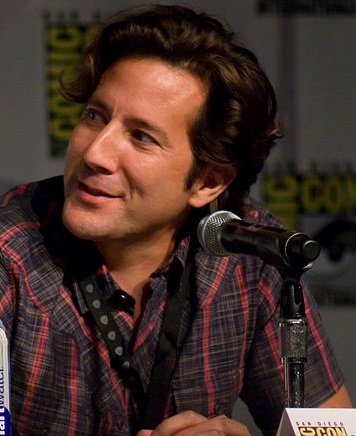
Henry Ian Cusick at San Diego Comic-Con in 2013

Henry Ian Cusick has a Catholic background and is known to many Christian viewers for portraying Jesus in the 2003 film The Gospel of John. His career also includes Desmond Hume on LOST and Charles Darwin in Darwin’s Darkest Hour. Those roles invite serious questions about faith, but none should be treated as a complete statement of the actor’s current beliefs.

A background connected with Catholicism

Published biographical material describes Cusick’s Catholic upbringing. That background is relevant to understanding how religious subjects entered his life and work. It does not, by itself, establish current church attendance or tell us exactly how he would explain salvation today.

A careful profile distinguishes family influence, familiarity with Scripture, and personal profession. These can be related, but they are not interchangeable. The public sources considered here provide a starting point rather than permission to speak on his behalf about every doctrine.

Portraying Jesus in John’s Gospel

Cusick’s official website highlighted The Gospel of John in an April 2020 Easter post. It described the film as a word-for-word retelling, narrated by Christopher Plummer, with Cusick playing Jesus. The project gives viewers an unusual opportunity to hear an extended biblical account through a dramatic performance.

The distinction between actor and subject remains essential. A film can help a viewer attend to a passage, but the performer is not the person Christians worship. The point of reading John is to consider Jesus Himself, not to transfer devotion to a familiar face.

Another role involving religion and questions

In a September 2009 PBS NOVA interview, Cusick discussed playing Charles Darwin. He described learning more about Darwin as a family man and reassessing the simple image he had held before preparing for the part. He also spoke favorably about examining the ideas behind the film rather than avoiding it because of its subject.

Those remarks concern his response to a historical role and its themes. They do not supply a detailed account of his own present religion. One conversation about science should not be stretched into a complete theological position.

Understanding before disagreeing

Cusick’s account of preparation offers a useful principle: understanding an argument requires hearing it accurately. Christians can hold convictions and still make the effort to learn what another person actually means. Misrepresenting a view is not a faithful defense of truth.

Proverbs 18:13 warns against answering before listening. That applies to religious conversation as much as any other subject. We should be able to explain a disagreement fairly before we respond to it, while also admitting where our own knowledge has limits.

Desmond’s story and the actor’s life

LOST places Desmond within a story of love, uncertainty, sacrifice, and events beyond his control. Those themes can move viewers deeply. The emotional force of the role does not tell us whether Cusick personally endorses every spiritual idea the series explores.

A fictional world can start questions that need answers outside the script. We can ask what love requires, whether our choices matter, or where hope comes from. A Christian response should identify those questions and then turn to Scripture, rather than making the island into a replacement Bible.

What John’s Gospel claims

John begins by describing the Word who was with God and was God, and who became flesh (John 1:1–14). Jesus is presented as more than an inspiring teacher. The Gospel places His identity at the center of its account of salvation.

Its purpose is also explicit: the signs are written so readers may believe that Jesus is the Christ, the Son of God, and have life in His name (John 20:30–31). These are claims to examine. Christian faith does not rest merely on being moved by religious art.

Love that reaches toward another person

A powerful performance can make sacrifice feel concrete. Yet real love is often quieter than a dramatic scene: telling the truth, keeping a promise, or caring for someone when we are tired. Scripture directs that attention toward actual neighbors, not only imagined heroes.

Jesus’s command to love one another in John 13 is grounded in His own love. Christians should let that challenge their conduct without pretending they can save themselves by becoming sufficiently selfless. The Gospel supplies both a call to love and the grace sinners need.

The law exposes our need

Have we lied, stolen, coveted, or allowed hatred to shape our treatment of someone? Jesus also addresses anger and lust in the heart (Matthew 5). God’s law reaches beneath the roles we play for one another and exposes motives we would prefer to keep hidden.

Romans 3:23 says all have sinned. We are accountable to a just God, and familiarity with a biblical story does not erase our guilt. Neither acting in a religious film nor admiring one provides forgiveness. The law shows why every reader and writer needs a Savior.

The living Savior beyond the screen

Jesus Christ is the divine Son of God. He lived without sin and willingly died on the cross, bearing the penalty for our sins in our place. He was buried and rose bodily from the dead. His finished work provides the foundation for forgiveness and eternal life.

Salvation is God’s gift by grace through faith, not a reward for good works (Ephesians 2:8–9). We acknowledge our sin and trust Jesus and what He has done. Cusick’s work can draw attention to important questions; the Christian invitation is to know the Savior whom John’s Gospel proclaims.

Sources

Henry Ian Cusick’s official website: The Gospel of John, April 10, 2020.

PBS NOVA: Being Charles Darwin, interview conducted September 2, 2009.

TV Insider: Henry Ian Cusick biography.

Photo: vagueonthehow, via Wikimedia Commons, CC BY 2.0. Cropped on Commons.

What Is Michael Emerson’s Religion? Is He a Christian?

Michael Emerson greeting fans in 2012

Michael Emerson has publicly discussed his Catholic upbringing and the lasting effect of that background, especially while playing Leland Townsend in Evil. His comments also describe distance from the religious world of his childhood. They should not be confused with the convictions of Ben Linus, the character he portrayed on LOST, or with the beliefs of the sociologist Michael O. Emerson.

The Catholic background he has described

In a July 2021 Looper interview, Emerson said he had been brought up Catholic. He explained that some lines and actions required by Evil could make him pause because they mocked things he had once learned to treat seriously.

A later SciFi Vision interview, published as Evil approached its end in 2024, returned to that subject. Emerson described the remnants of his Catholic upbringing resurfacing during scenes involving religious mockery. The comments show an enduring cultural and emotional connection without providing a complete profession of present Christian belief.

A name that needs careful checking

Search results about religion and Michael Emerson often concern a sociologist whose research examines race and American churches. That is a different professional from the actor known for LOST, Person of Interest, and Evil.

The distinction is basic but important. A quotation can be accurate and still be assigned to the wrong person. When discussing someone’s religion, checking the speaker’s identity is part of respecting both the person and the reader. Familiar names are not enough.

Playing a disturbing character

Emerson told Looper about a storyline that troubled him because of its connection with real-world violence. He sought reassurance about how the story would be handled. That concern belongs to his account of the work; it should not be mistaken for agreement with his character’s intentions.

An effective portrayal of cruelty may require an actor to understand behavior he finds appalling. Viewers should be able to recognize that difference. The same care applies when a role involves religious language, temptation, or claims about supernatural powers.

What makes a villain convincing?

LOST’s Ben Linus can lead viewers to think about manipulation, control, and the desire to justify ourselves. A character may appeal to loyalty or a higher purpose while using people as instruments. These are themes for discussing the story, not accusations about Emerson’s own life.

They also bring the question closer to home. We may hide an unkind motive behind a reasonable explanation. We may insist that getting our preferred result excuses the way we treated someone. Fiction can help us notice those habits before we admit that we share them.

Taking religious things seriously

Emerson’s recollection of childhood unease raises an interesting distinction between respect for a tradition and personal faith. A person can feel the weight of an old practice without affirming every teaching associated with it. Another person may attend services while rarely considering what they mean.

Christianity concerns more than a lingering fear of breaking a rule. Scripture invites people to know God through Christ. In Hebrews 4:14–16, believers are encouraged to approach God through Jesus for mercy and help. Reverence and grace belong together in that invitation.

Discernment about entertainment

Christians can thoughtfully examine what a story asks them to admire, laugh at, or accept. The presence of religious imagery does not automatically make a program Christian, and a fictional encounter with evil is not an explanation of everything Scripture teaches about it.

Philippians 4:8 directs attention toward what is true, honorable, just, and worthy of praise. Applying that passage requires honest judgment, not merely counting religious words in a script. Different viewers may also recognize different limits in what they can watch wisely.

The danger of using people

Jesus taught that greatness among His followers should take the form of service (Mark 10:42–45). That challenges the instinct to control others for our own advancement. A person does not become trustworthy simply by claiming a noble goal or presenting a reassuring image.

The standard applies to religious writers too. We should explain the Gospel clearly, give readers honest evidence, and permit careful questions. Manipulating fear or concealing inconvenient facts would contradict the truth we claim to honor. Respect for another person is part of responsible witness.

God’s law reaches beneath the mask

Have we lied, stolen, coveted, or used another person’s weakness for advantage? Have we harbored hatred while behaving politely? Jesus taught that anger and lust expose sin within the heart (Matthew 5). God sees what our explanations can hide from an audience.

Romans 3:23 says all have sinned. This is a shared human need, not a verdict reserved for people who play villains. God is just, and we are accountable to Him. Religious memories, personal decency, and professional achievement cannot erase our guilt. His law shows why we need a Savior.

Mercy through Jesus

Jesus Christ is the divine Son of God. He lived without sin and willingly died on the cross, bearing the penalty for our sins in our place. He was buried and rose bodily from the dead. His finished work provides the foundation for forgiveness and eternal life.

Salvation is God’s gift by grace through faith, not a reward for good works (Ephesians 2:8–9). We acknowledge our sin and trust Jesus and what He has done. Emerson’s reflections can open a discussion about conscience, acting, and belief; the Christian hope is the Savior who offers mercy to sinners.

Sources

Katy Kroll interviews Michael Emerson, Looper, July 1, 2021.

SciFi Vision: Michael Emerson on Evil coming to an end, 2024.

Photo: Genevieve, via Wikimedia Commons, CC BY 2.0. Resized.

What Is Naveen Andrews’s Religion? Is He a Christian?

Naveen Andrews at the 2025 Sundance Film Festival

Naveen Andrews was raised in a Methodist setting, according to published biographical material. That background differs from the Muslim character Sayid Jarrah whom he played on LOST. The sources examined here do not establish a full, current profession of Christian faith, so it is more accurate to distinguish his upbringing from his present beliefs.

Background is not the whole answer

A biographical entry preserved by the Transgender Media Portal identifies Andrews as a London-born actor whose parents came from Kerala, India, and describes his Methodist upbringing. The entry cites its underlying biographical source, allowing readers to see that this is background reporting rather than a new interview.

Neither an Indian family background nor a British childhood determines a person’s religion. People within the same community may hold very different convictions. The best account begins with documented details and does not fill remaining gaps with assumptions about ethnicity or nationality.

Sayid belongs to the story

Andrews’s performance gives Sayid a recognizable history, loyalties, and moral conflicts. His character’s religion matters within LOST, but it does not establish the actor’s own faith. An actor can portray prayer or doubt without making a personal declaration.

That distinction helps viewers enjoy a story without misreading a human being. It also prevents unfair judgment. A performer does not become personally responsible for every violent act or spiritual claim in a script simply because he portrays it convincingly.

Another role, another difficult question

In a March 2022 ELLE interview about The Dropout, Andrews discussed the desire people have to believe in an idea and follow someone with influence. He connected that observation to several parts of public life, including religion. It was a comment about human credulity, not a declaration that every religious belief is false.

His work offers a starting point for a serious conversation: what makes a person or claim trustworthy? The question matters in entertainment, business, relationships, and faith. A moving story or confident leader can attract us before we have checked what is true.

Belief and evidence can belong together

Christianity does not ask readers to treat every claim as reliable merely because someone presents it with conviction. Luke opens his Gospel by explaining his concern for an orderly account based on the testimony handed down by witnesses (Luke 1:1–4).

Faith is trust, and trust has an object. A promise deserves confidence because the person making it is trustworthy. Strong feelings cannot repair a false promise. Careful questions about Jesus and the Gospel are therefore relevant, rather than an embarrassment to be hurried past.

The problem of unchecked power

A story about influence can also make us examine our own treatment of others. We may criticize a distant public figure while excusing smaller acts of control at home or work. We can use information, approval, or money to pressure someone without ever becoming famous.

Jesus taught His disciples to understand leadership through service rather than domination (Mark 10:42–45). That standard challenges religious leaders and ordinary Christians alike. Claiming to represent God does not make manipulation acceptable or place a person beyond correction.

A religious childhood and adult responsibility

Growing up around church can give someone an early vocabulary for discussing God. It can also leave questions that take years to express. We should not assume that remembering Christian language is the same as personally trusting Christ.

The Bible directs people to consider Jesus Himself. Family history may introduce the question, but it cannot answer on another person’s behalf. A reader with Christian parents and a reader with no religious background both have reason to examine who Christ is and what He has done.

Humility when discussing another person

A careful profile does not turn limited public evidence into a verdict about a celebrity’s heart. We can state what a source establishes, identify what remains unknown, and explain our own Christian convictions without claiming knowledge we do not possess.

This is also a useful habit in everyday conversation. James 1:19 urges people to be quick to hear and slow to speak. Listening does not require agreement with every idea. It requires allowing another person to explain before we decide what the person must mean.

God’s law tests our own honesty

Have we lied, stolen, coveted, or used another person for our own advantage? Have we hidden resentment behind a respectable image? Jesus taught that anger and lust reveal sin within the heart (Matthew 5). God’s concern reaches beyond whether we have been publicly caught.

Romans 3:23 says all have sinned. We are accountable to a just God, and no inherited religious label erases that guilt. His law exposes our need for a Savior. It brings the reader and writer to the same place, rather than giving either permission to look down on an actor.

Trust in the Savior

Jesus Christ is the divine Son of God. He lived without sin and willingly died on the cross, bearing the penalty for our sins in our place. He was buried and rose bodily from the dead. Forgiveness and eternal life rest on His finished work.

Salvation is God’s gift by grace through faith, not something earned by good behavior or religious achievement (Ephesians 2:8–9). We acknowledge our sin and trust Jesus and what He has done. Andrews’s reflections on belief and influence can start a valuable discussion; Christ gives us the trustworthy hope at its center.

Sources

Transgender Media Portal: Naveen Andrews biographical entry, citing its source.

Erica Gonzales interviews Naveen Andrews, ELLE, March 18, 2022.

Photo: Bryan Berlin, via Wikimedia Commons, CC BY-SA 4.0. Commons crop; resized.