People · Beliefs
Piero Vigorelli
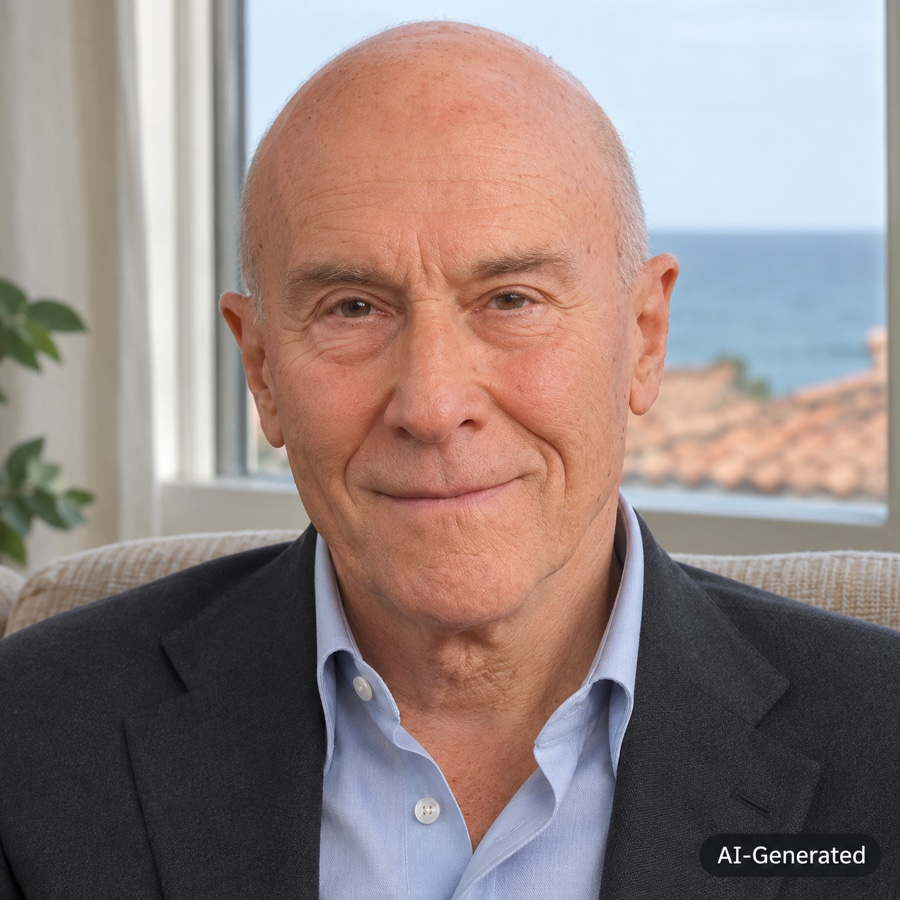
Piero Vigorelli brought live reporting to Italian afternoon TV and stories of claimed miracles to prime time. He also spoke openly about how his own views changed.
- On Rete 4
- Host · Miracoli
- On Rai 2
- Host · Detto tra noi
- Died
- November 18, 2026 · age 82
- Public confirmation
- November 19, 2026 · family announcement
The host who put stories of miracles on prime time
Piero Vigorelli pitched an unusual show to Italian television executives. Its subject was reported miracles, and at first the network agreed to try just two episodes, he recalled in an interview with Pino Nano. Miracoli went on to run for more than 50 episodes in prime time on Rete 4, according to Mediaset’s remembrance. Vigorelli was the journalist in front of the camera, asking people who described healings or other unusual events how they understood what had happened.
Vigorelli died on November 18, 2026, at 82. Adnkronos reported the next day that his family announced the death on social media and spoke of his attachment to Ponza. He had served as the island town’s mayor from 2012 to 2017, after much of his time in broadcasting was behind him.
A newspaper reporter learns to tell stories live
Born Pier Lombardo Vigorelli in Zug, Switzerland, in 1944, he came from a family familiar with writing and film. His father, Giancarlo, was a literary critic; his mother, Vittoria De Fazio, worked in film. Vigorelli remembered beginning at a weekly paper before moving into reporting for Il Messaggero. In a long interview with Pino Nano, he spoke about learning to report on location, long before that approach became his calling card on television.
At Rai 2 in the early 1990s, he created and hosted Detto tra noi, a live afternoon program. The team took cameras to the places where stories were unfolding rather than covering them only from a studio. Adnkronos’s career overview counts more than 600 episodes of the original program. He later directed Rai’s regional news operation, then moved to Mediaset. Rai’s tribute remembers his work at both broadcasters, including his return to the camera on Miracoli.
Vigorelli also turned the subject into books. During a 2003 interview about his second book, he recalled hearing from viewers who wanted to know more about the people they saw on screen. He said the team sometimes sought outside expertise as it examined individual stories. The program’s attention to those claims and Vigorelli’s willingness to discuss them made the subject a regular part of his public life.
What did Piero Vigorelli believe about miracles?
At a book event in 2003, Il Quotidiano asked Vigorelli directly whether he believed in miracles. He said that he had started out skeptical and by then did believe. In the same interview, he drew a distinction between cases he took seriously and people he believed had made false claims. The interview describes his own change of mind, even though it does not tell us whether he belonged to a church or how he identified his religion.
Years later, he told Giornalisti Italia that he did not want Miracoli to cover only Roman Catholic accounts. He drew on stories from other Christian traditions and beyond them. His choice of stories tells us something about the show’s range. His answer in the 2003 interview remains a clearer guide to what he personally said about the subject.
Beyond the Spotlight
A report of a remarkable recovery can make someone wonder whether God is close. The Gospel of John calls Jesus’ miracles signs, and explains why the book records them: they point to who Jesus is (John 20:30–31). In Christian belief the greatest news is what Jesus did to bring sinners back to God. That hope holds even when a person’s circumstances are still painful or prayers seem unanswered.
Jesus showed love to people who were sick or shut out. He also taught that our deepest trouble is sin, which reaches into our hearts as well as our actions. God takes sin seriously. Scripture warns of judgment and hell, and says that every one of us needs mercy (Romans 3:23). The one who warns us loves us enough to make a way for us to be forgiven.
Jesus Christ, God’s sinless Son, gave his life on the cross for our sins and rose from the dead (1 Corinthians 15:3–4). God calls us to repent, turning from sin toward him and trusting Christ. We receive forgiveness as a gift of grace through faith. Good works can grow out of a life changed by that grace; they cannot purchase it.
You can begin by reading John, bringing both curiosity and honest doubt to what you read. The Christian invitation here rests on Jesus and his resurrection. It leaves room to consider Vigorelli’s work and his words without trying to settle the parts of his faith he did not make public.
Sources
- Adnkronos: family announcement, death date, and reporting career
- Rai: the broadcaster’s tribute and presenting credits
- Mediaset: remembrance of Vigorelli and Miracoli
- Giornalisti Italia: interview with Vigorelli about journalism, television, and family
- Il Quotidiano: Vigorelli’s answer about belief in miracles
Artwork: Original AI-generated editorial portrait of Piero Vigorelli based on a publicly available likeness reference published by Rai.