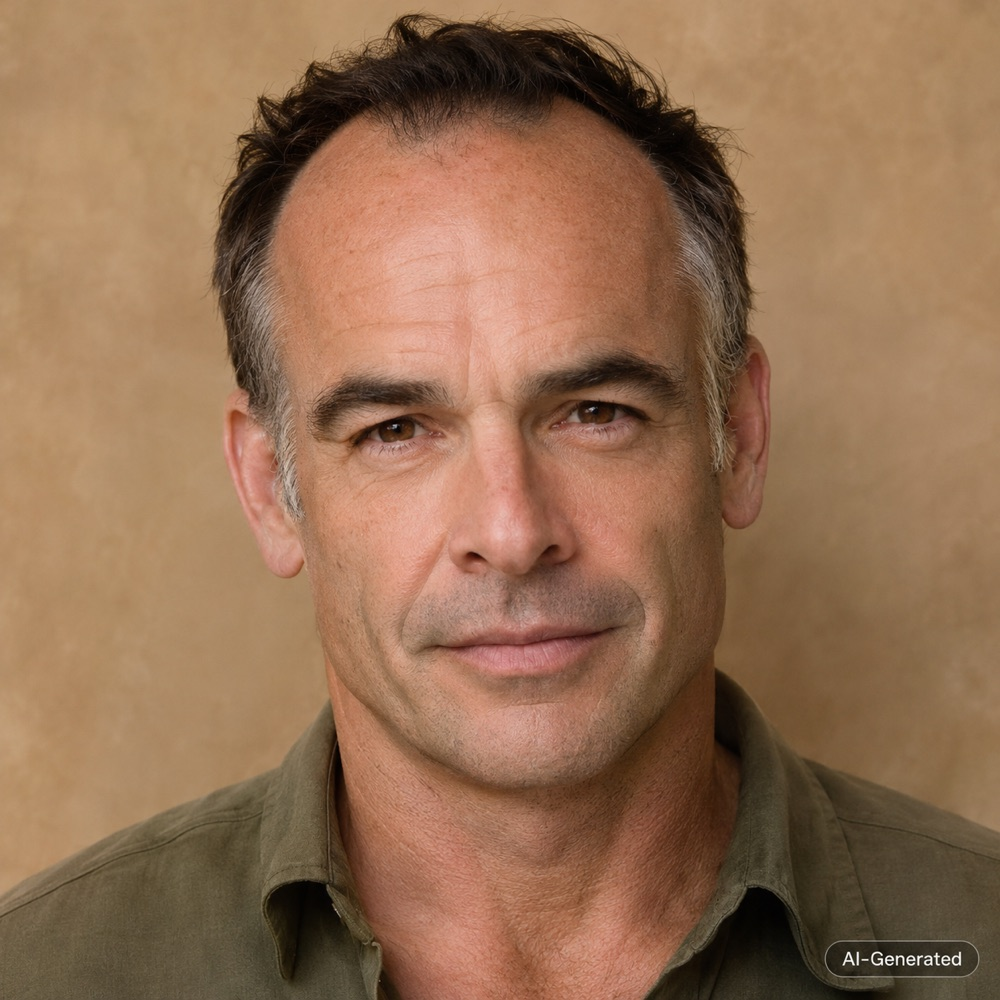
Paul Blackthorne’s present religion is unconfirmed in the sources reviewed for this profile. The actor’s spiritual interests, screen roles, and public service should not be collapsed into an unsupported Christian label.
The person behind the performance
Blackthorne is a British actor whose work includes Lagaan, The Dresden Files, and Arrow. His career reference also describes work in photography and documentary filmmaking. A career crossing national settings and genres can introduce audiences to many different ideas without establishing the performer’s personal commitment to them.
A conversation on The Spiritual Psychology of Acting Podcast is part of his interview record. A program’s title alone does not determine a guest’s religion, and this profile does not use it to assign one.
Their part in Arrow
In Arrow, Blackthorne portrays Quentin Lance, a police officer and father whose relationship with vigilantes changes through the series. His obligations to law, family, and the people he serves do not always fit together easily. That tension gives his authority a personal and vulnerable dimension.
The role can prompt useful reflection about trust and judgment. It does not establish what Blackthorne believes about God, and an actor’s other supernatural roles are no stronger evidence of religious practice. The person and the performances need to remain distinct.
What the public record says about faith
The sources reviewed do not establish a present denomination or a direct personal profession of Christian faith. Words such as spiritual, compassionate, or reflective can describe many different outlooks. Without a clear statement, they should not be turned into a specific religious identity.
Famous Faith therefore reports the current affiliation as unconfirmed here. That leaves room for beliefs the performer has not publicly explained in the reviewed material. It also prevents a flattering assumption from becoming a false claim. The Christian discussion below is the site’s own commentary on questions raised by the role.
Justice needs more than certainty about our own side
Authority can feel reassuring when the person exercising it is confident. Yet confidence and justice are different things. A parent, officer, supervisor, or church leader may be sincere and still overlook evidence because personal fear or loyalty has narrowed the view.
Proverbs 18:17 warns that the first account can sound right until another person examines it. James 1:19 calls for readiness to listen and slowness to speak and become angry. These are not instructions to abandon judgment; they are disciplines that help judgment become more truthful.
Famous Faith sees a particular challenge in stories about authority and family. People we love deserve care, and people we suspect still deserve fairness. Neither affection nor anger can take the place of evidence. The willingness to correct a mistaken judgment can be a sign of integrity rather than weakness. It asks us to put truth ahead of the emotional satisfaction of remaining right in our own eyes.
The gospel and the hope of grace
The Bible says that all have sinned and fall short of God’s glory (Romans 3:23). Our need is deeper than an imperfect public image: we have failed to love God and our neighbors as we should. Jesus Christ, God’s Son, lived without sin, died for sinners, and rose bodily from the dead. His death and resurrection are central to the gospel (1 Corinthians 15:3–4). Salvation is God’s gift, received through faith in Christ rather than earned through good deeds, church membership, or personal achievement (Ephesians 2:8–10). Jesus calls us to repent and believe. A changed life follows his grace; it does not purchase forgiveness.
The reflection above expresses Famous Faith’s Christian perspective. It is not attributed to the actor or presented as a claim to know anyone’s heart.
Sources and image credit
- Biographical and career reference: Paul Blackthorne
- The Spiritual Psychology of Acting: interview with Paul Blackthorne
Original AI-generated editorial portrait of Paul Blackthorne, created for Famous Faith. Artistic interpretation, not a photograph. No endorsement by the performer or production is implied.