
6 cast profiles
What survives with us?
The Walking Dead puts survival, grief, loyalty, and moral choice under extraordinary pressure. Its cast members have also spoken about faith in their own lives, though their beliefs are not all alike. This guide gathers six Famous Faith profiles that distinguish public statements from assumptions and fictional roles. Each profile considers the evidence, compares the relevant ideas with Scripture, and presents the gospel of Jesus Christ.
Explore the cast profiles
 Andrew LincolnRick Grimes
 Norman ReedusDaryl Dixon
 Danai GuriraMichonne
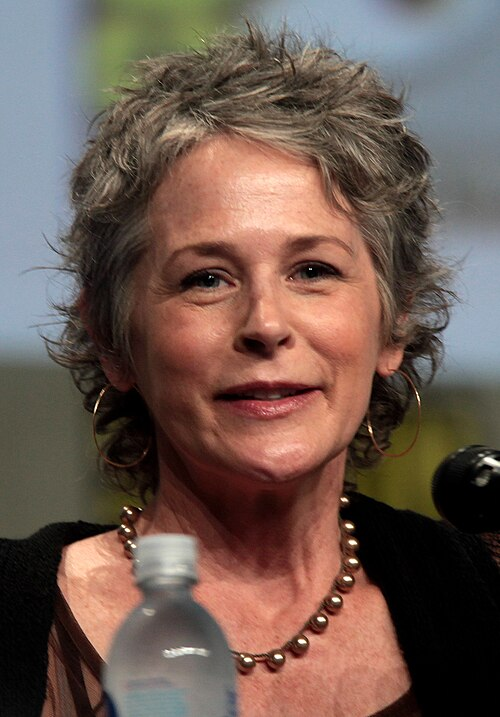 Melissa McBrideCarol Peletier
 Steven YeunGlenn Rhee
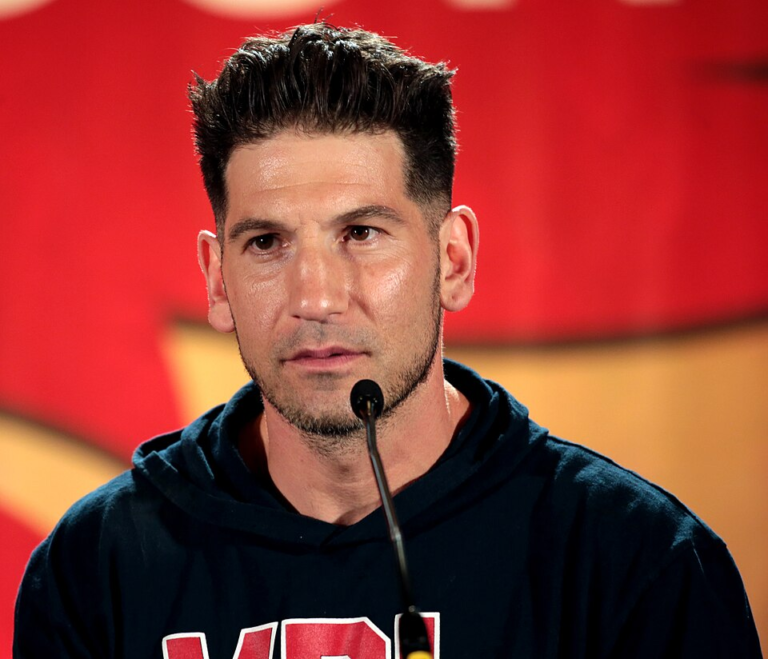 Jon BernthalShane Walsh
Danai Gurira has publicly identified as Christian. Steven Yeun has discussed Christian roots and a changing spiritual outlook. Andrew Lincoln has expressed admiration for religious devotion and community without a clear faith profession in the interview reviewed. Norman Reedus said in a 2011 interview that he did not follow a particular religion. Melissa McBride has shared a memory involving her mother’s prayer, but the sources considered do not establish her own religious label. The individual articles provide context and source links.
The characters do not speak for the actors
Rick, Daryl, Michonne, Carol, and Glenn are fictional people. Their dialogue, fears, and decisions belong to a story. An actor’s discussion of a character’s prayer or doubt is not automatically a statement of personal belief. Even a moving religious scene cannot establish the performer’s religion. Careful readers should look for the actor’s own words about their own life.
The same care applies to background details. Growing up in church and leading music are real experiences, but they do not settle every later conviction. Admiring a faith community is not the same as joining it. An older interview should be dated rather than presented as a complete account of the present. Honesty about those limits is a form of respect.
Survival is not the whole meaning of life
A survival story asks what people will do to stay alive. Jesus asks a deeper question: what good is gaining the world while losing one’s soul (Mark 8:36)? Food, shelter, safety, and health matter. Scripture calls us to care about people’s physical needs. Yet the Bible also says that our relationship with God and our eternal future cannot be reduced to surviving one more day.
That does not make ordinary life unimportant. It gives ordinary life lasting significance. We are made in God’s image, and our neighbors have dignity even when they are weak, frightened, or unable to help us. The question is not merely whether someone is useful to the group. It is how we should treat a person whom God made.
Grief and hope beyond death
Stories of loss can connect with real grief. The Bible makes room for sorrow rather than demanding an appearance of constant strength. Jesus wept at the tomb of Lazarus (John 11:35). Christians can mourn honestly, support those who suffer, and bring hard questions to God. Compassion begins with listening, not with a quick explanation for every tragedy.
Christian hope is also more than wishing death were not final. Jesus claimed to be the resurrection and the life (John 11:25–26). The New Testament grounds hope in His actual resurrection. Its promise is not that we will escape all suffering now, but that Christ has overcome death and offers eternal life to those who trust Him. Fictional survival and biblical resurrection are very different kinds of claims.
Community and the temptation to excuse cruelty
Loyalty can help people endure hardship. It can also become an excuse to mistreat anyone outside the circle. The Bible calls us to love our neighbors and even our enemies (Matthew 5:44). Romans 12:21 directs believers to overcome evil with good. Fear does not erase responsibility, and a claim to protect our own people does not make every action right.
These themes invite us to examine our ordinary choices. We may never face a dramatic crisis, but we can still become dishonest, harsh, or indifferent when protecting our comfort. The gospel exposes that sin while offering forgiveness and a changed direction through Christ.
The question that belongs to each reader
There is nothing wrong with being interested in the cast’s beliefs. Respectful curiosity can lead to thoughtful conversations across religious differences. Our first concern, however, should be where we will spend eternity. An actor’s faith, uncertainty, kindness, or success cannot reconcile us to God. Each of us needs to consider the claims of Jesus personally.
The gospel: life through Jesus Christ
God created us and is perfectly holy. All of us have sinned, and sin deserves judgment and death (Romans 3:23; 6:23). We cannot earn forgiveness through good deeds, church history, or personal courage. Our need is not simply to become stronger. We need a Savior.
God sent His Son, Jesus Christ, fully God and fully man. Jesus lived without sin, died on the cross for our sins, and rose bodily from the dead (1 Corinthians 15:3–4). Salvation is a gift of grace received through faith, not a reward for works (Ephesians 2:8–9).
Jesus calls us to repent and believe (Mark 1:15). Turn from sin and self-rule, and trust Him as Savior and Lord. You can confess your sin to God and ask for mercy through Christ. No wording makes a prayer magical; the hope is Jesus Himself. Read the Gospel of John and find a church that faithfully teaches Scripture as you consider His invitation.
Image: The Walking Dead title logo; Commons version by Xeworlebi, Wikimedia Commons. Public-domain text logo. Cropped and/or resized for display.

Cast portrait credits
Images are framed as squares for this cast guide. Individual sources and licenses follow.
- Andrew Lincoln. Gage Skidmore, Wikimedia Commons. Attribution-Share Alike 2.0 Generic. Cropped and/or resized for display.
- Norman Reedus. Philip Romano, Wikimedia Commons. Attribution-Share Alike 4.0 International. Cropped and/or resized for display.
- Danai Gurira. Gage Skidmore, Wikimedia Commons. Attribution 4.0 International. Cropped and/or resized for display.
- Melissa McBride. Gage Skidmore, Wikimedia Commons. Attribution-Share Alike 3.0 Unported. Cropped and/or resized for display.
- Steven Yeun. Everwest, Wikimedia Commons. Attribution 4.0 International. Cropped and/or resized for display.
- Jon Bernthal. Gage Skidmore, via Wikimedia Commons, CC BY-SA 2.0. Cropped source, resized; image remains under the same license.


