
5 cast profiles
The family behind the advice
Frasier finds comedy in people who can analyze everyone else’s problems while struggling to face their own. Frasier and Niles Crane have education, taste, and professional status, yet family tensions, pride, loneliness, and disappointment keep exposing their limits. The cast’s real religious beliefs are distinct from those fictional personalities. This guide brings together the five central cast profiles and considers the show’s themes through Scripture.
Explore the Frasier cast profiles
 Kelsey GrammerFrasier Crane
 David Hyde PierceNiles Crane
 Jane LeevesDaphne Moon
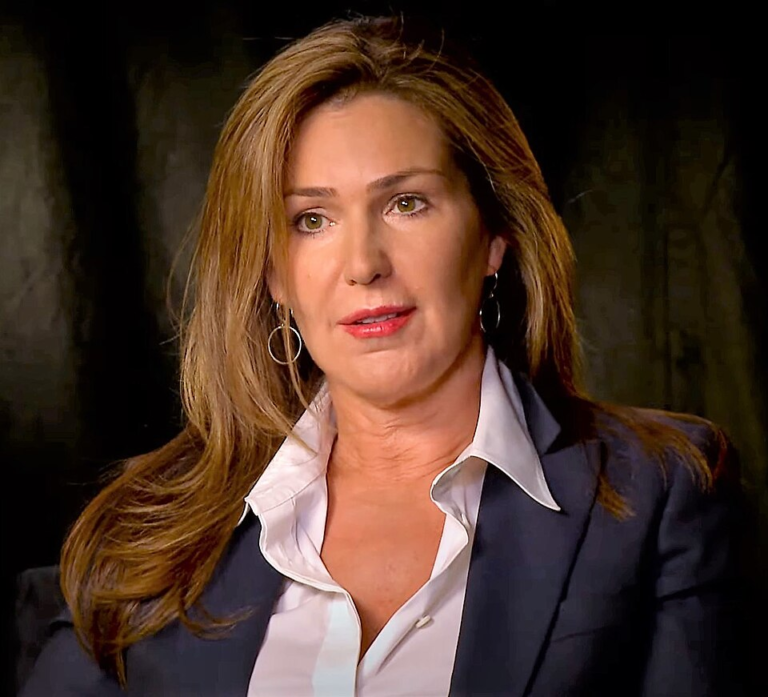 Peri GilpinRoz Doyle
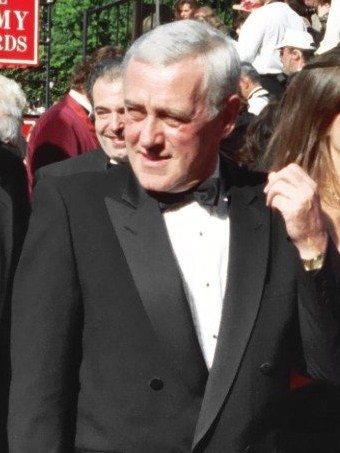 John MahoneyMartin Crane
Kelsey Grammer’s existing profile is included alongside new profiles of David Hyde Pierce, Jane Leeves, Peri Gilpin, and John Mahoney. Each article distinguishes a person’s own public comments from family background, acting roles, and ideas the evidence does not establish. The aim is accuracy about the cast and a clear Christian message for the reader.
Religious experience does not look the same for everyone
Mahoney directly discussed Roman Catholic faith, regular prayer, and a desire to live less selfishly. Pierce has recalled an Episcopal church background. Gilpin has discussed faith as a theme in theater and remembered prayer around family illness. Leeves has described trust and community in career terms that should not be mistaken for a religious confession. The individual profiles provide sources and context.
These differences matter. An actor’s mention of a church does not tell us every doctrine he or she believes. A character’s skepticism or interest in psychic ideas does not establish the performer’s personal religion. Respecting someone includes resisting the temptation to make a confident claim simply because it fits a familiar story.
Knowledge without humility
The Crane brothers can be brilliantly informed and painfully unaware of their own pride. The Bible recognizes that danger. First Corinthians 8:1 warns that knowledge can puff people up while love builds them up. Education and thoughtful discussion are valuable, but they do not automatically make us patient, honest, or kind.
A Christian can fall into the same trap by knowing Bible facts while refusing correction. James 1:22 calls us to act on God’s Word, not only hear it. The question is not whether we can win an argument about humility. It is whether we can apologize, listen, and serve when doing so costs us the image of being right.
Family duty and ordinary love
Much of the original series grows from an adult son living with his father and learning to make room for another person’s habits and needs. Exodus 20:12 commands honor for parents. Ephesians 4:2 calls for humility, patience, and bearing with one another in love. Those commands concern actual relationships, including the ones that irritate us.
Love does not mean pretending every family arrangement is easy or every behavior is acceptable. It includes honest boundaries, care, and responsibility. The Bible’s call is deeper than affectionate feelings. It asks us to seek another person’s good and examine the selfishness we can hide behind polished manners.
What can counseling solve?
The show’s central profession raises worthwhile questions about listening, advice, and self-understanding. Proverbs 15:22 recognizes the value of counsel. Christians do not have to treat every form of skilled help as competition with faith. Wise care can help people face difficulties, understand patterns, and take responsible steps.
But self-understanding cannot erase guilt before God. Knowing why we behaved badly is not identical to receiving forgiveness or becoming reconciled to the people we hurt. Scripture addresses both human frailty and moral responsibility. The gospel reaches a problem that education, refined taste, and professional competence cannot remove.
Spiritual curiosity and discernment
Fictional references to psychic experiences or vague spirituality can be amusing within a story, but Christians should test spiritual claims rather than accept them because they are entertaining. Deuteronomy 18:10–12 warns against divination. John 14:6 directs our hope toward Jesus. That evaluation should focus on the ideas, without inventing claims about an actor’s private practices.
There is nothing wrong with learning about the faith of the Frasier cast. Curiosity can lead to better understanding and respectful conversation. Our first concern, however, should be our own relationship with God and where we will spend eternity. Another person’s religious label cannot answer that for us.
The gospel: grace for people who cannot repair themselves
God made us and is holy. We have all sinned and fall short of His glory (Romans 3:23). Our guilt is not solved by having a better explanation, a stronger reputation, or more religious habits. Sin deserves judgment, yet God offers eternal life through Jesus Christ (Romans 6:23).
Jesus, fully God and fully man, lived without sin, died on the cross for sinners, and rose bodily from the dead (1 Corinthians 15:3–4). Salvation is a gift of grace received through faith, not a payment for works (Ephesians 2:8–9). Jesus calls us to repent and believe—to turn from sin and self-rule and trust Him as Savior and Lord (Mark 1:15).
You can begin by reading the Gospel of John, speaking honestly to God, and seeking a church that faithfully teaches Scripture. Christian hope is not that we can finally become impressive enough for God. It is that Christ has done what we could never accomplish for ourselves.
Image: Frasier title logo, via Wikimedia Commons, Wikimedia Commons. Public domain text logo; trademark rights retained. Cropped and/or resized for display.

Cast portrait credits
Images are framed as squares for this cast guide. Individual sources and licenses follow.
- Kelsey Grammer. Michael W. Imhoff / Exchanges Photos, via Wikimedia Commons, CC0 1.0. Existing Commons portrait crop. No endorsement implied.
- David Hyde Pierce. photo by Alan Light, Wikimedia Commons. CC BY 2.0. Cropped and/or resized for display.
- Jane Leeves. Mingle MediaTV, Wikimedia Commons. CC BY-SA 2.0. Cropped and/or resized for display.
- Peri Gilpin. Pop Goes The Culture TV, Wikimedia Commons. CC BY 3.0. Cropped and/or resized for display.
- John Mahoney. photo by Alan Light, Wikimedia Commons. CC BY 2.0. Cropped and/or resized for display.


