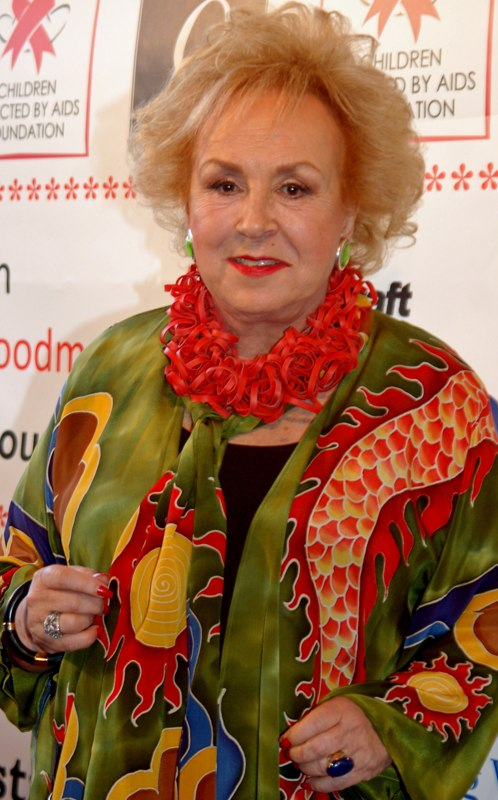
Doris Roberts was Jewish, with a documented Jewish family background and public comments about Jewish community life. She was not simply the Catholic mother she played on television. The sources reviewed for this article do not establish a personal profession of Christian faith or a complete statement of her theology.
As Marie Barone on Everybody Loves Raymond, Roberts could turn a dinner invitation into a family crisis. Her performance was memorable because Marie’s love and interference were tangled together. Understanding the actress’s own beliefs requires looking beyond that fictional household.
What is known about Doris Roberts’s Jewish background?
The St. Louis Jewish Light describes Roberts’s Russian-Jewish family roots and her birth in St. Louis. That background is part of her identity. It does not mean we can assume the details of her religious observance throughout her life.
Her own words add useful context. In a 2006 interview about Keeping Up With the Steins, Roberts discussed the meaning of Jewish ritual and answered a question about whether she had grown up Reform or Orthodox. Her humorous answer referred to a grandfather who did not make time for synagogue. The exchange does not provide grounds to assign her a specific denomination.
The distinction matters. Jewish heritage, community belonging, and personal religious practice overlap, but they are not interchangeable. An accurate profile can recognize her Jewish identity without claiming knowledge of how often she worshiped or what she believed about every question of faith.
What did Doris Roberts say about love and purpose?
A Jewish Virtual Library profile drawing on a Lifestyles interview records Roberts speaking warmly about an uncle’s unconditional love. She also described the joy she found in work she loved and used language of blessing and prayer when wishing that kind of fulfillment for others.
Those remarks reveal gratitude and affection. They are worth reporting without stretching them into a detailed doctrine of God. People from different faiths can use words such as blessed or prayer, and those words alone do not demonstrate that someone has embraced Christianity.
Was Marie Barone’s religion Doris Roberts’s religion?
No. Marie is a fictional member of an Italian-American Catholic family. Roberts was an actress bringing that character to life. In the Lifestyles material, she described drawing on different family personalities to create Marie. Her ability to make the role believable tells us about her skill, not her church membership.
That separation protects us from a common mistake. Viewers can feel they know an actor because a familiar character has visited their living room for years. But familiarity with a performance is not personal knowledge. We should resist turning a beloved role into evidence about the performer’s private convictions.
What does the Bible say about loving without controlling?
Marie’s habit of presenting interference as love gives viewers a useful question to ask themselves. Do I serve people for their good, or do I need them to follow my preferences? A meal, gift, or favor can be generous. It can also become a way to demand praise or obedience.
First Corinthians 13:4–5 describes love as patient and kind, without insisting on its own way. Philippians 2:3–4 calls believers to humility and concern for others. Those standards challenge the belief that a loving motive automatically makes every action loving. We need wisdom about the effect of our choices, too.
Honor for parents also matters, but Genesis 2:24 describes marriage as forming a new family bond. Adult children can respect their parents while establishing healthy responsibilities in their own homes. These are biblical reflections on the show’s themes, not accusations about Roberts as a mother or grandmother.
How does Christianity compare with Jewish faith?
Christians share the Hebrew Scriptures with Judaism and believe that God’s promises form the setting for understanding Jesus. The central difference is Jesus Himself. Christians confess Him as the Messiah, God’s Son, crucified and risen. Mainstream Judaism does not accept that confession.
That difference calls for clear explanation and genuine respect. Romans 11:17–22 warns Gentile Christians against pride toward Jewish people. Christians should never use a celebrity’s religion as an excuse for hostility. The gospel addresses our own sin before it gives us anything to say about someone else.
Why do we all need forgiveness?
Romans 3:23 teaches that all have sinned. We have failed to love God fully and our neighbors faithfully. The Ten Commandments expose lying, theft, coveting, and dishonoring God. Jesus’ teaching about anger and lust in Matthew 5 shows that even our hearts fall short.
God is just, so guilt is not erased by good intentions, family devotion, charity, or professional achievement. Our need is greater than a better public image. We need mercy that deals honestly with wrongdoing, rather than pretending our failures do not matter.
The good news is that Jesus Christ lived without sin and died on the cross for sinners. He took the judgment we deserve and rose bodily from the dead. His death, burial, and resurrection are central in 1 Corinthians 15:3–4. Because He lives, forgiveness is grounded in God’s action rather than our wishful thinking.
Salvation is a gift received by grace through faith, not earned by works (Ephesians 2:8–9). Jesus calls us to repent and trust Him: turn from sin and rely on His finished work. The result is a changed life that learns to love in truth, with humility and patience.
We can remember Roberts with appreciation, describe her Jewish identity accurately, and leave hidden matters to God. Her story should lead us to examine our own beliefs and the kind of love we practice in the families closest to us.
Photo credit: Angela George, Doris Roberts at the Night of Comedy benefit, April 30, 2011, via Wikimedia Commons. CC BY-SA 3.0. Resized and compressed.
