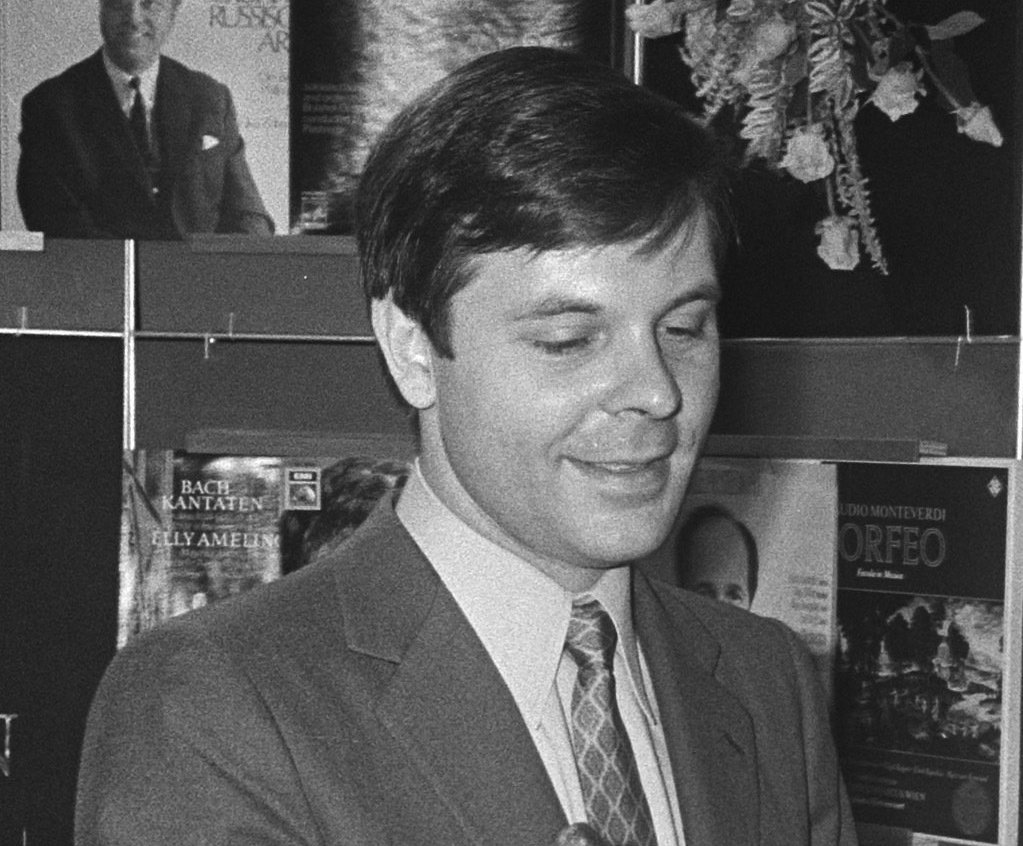
Stephen Kovacevich spoke of spiritual hope in music. The sources reviewed here did not establish a Christian profession or a specific religious affiliation.
Who Was Stephen Kovacevich?
Kovacevich was a pianist and conductor especially admired for his interpretations of Beethoven, Brahms, and Schubert. In its memorial tribute, Warner Classics highlighted his Beethoven sonata recordings and his work with other leading musicians. He died on October 27, 2026, at 86, as The Arts Desk recorded.
For listeners, his performances could raise questions that go beyond technique. Why can music move us so deeply? Does beauty point toward God? What can hope mean when a work also gives full voice to sorrow?
What Did He Say About the Divine?
In a 2015 interview with David Nice, later republished in 2026, Kovacevich recalled once hearing Beethoven’s late music as evidence of divinity. His later description was “the hope of something divine.”
These were careful words about how he experienced music. They did not explain his view of Jesus or identify a church.
His reflections showed spiritual interest without settling a religious label.
Hope in Beethoven, With Room for Questions
In a 2004 interview with Willem Boone, Kovacevich described Beethoven’s sonatas Op. 109 and Op. 111 as conveying a sense that life could begin again. He allowed that someone might call the feeling philosophy or religion.
This was a reflection on the meaning he heard in music. It did not establish a belief in reincarnation, the Christian resurrection, or any other specific account of life after death. The distinction matters because the same piece can awaken different thoughts in different listeners.
His comments gave readers something more useful than an unsupported category: a record of the questions he was willing to discuss and the limits he placed on his own explanation.
Taking Sorrow Seriously
In the Arts Desk conversation, Kovacevich contrasted the consolation he heard in some late Beethoven and Mozart with the more unresolved darkness he heard in Schubert. He was alert to music that made suffering feel too easily settled.
That observation can matter to listeners facing grief. Comfort does not always arrive as an immediate happy ending. A work of art may help someone stay with a difficult feeling, giving it shape without explaining it away.
Those are observations about listening and human experience. They do not tell us everything Kovacevich believed about God. They do help explain why questions of sorrow and hope belonged naturally in a discussion of his work.
What Does the Bible Say About Beauty and Hope?
The Bible gives room to both wonder and lament. Psalm 19:1–4 describes creation as declaring God’s glory. Christians can therefore receive beauty as an invitation to look toward the Creator. Yet being moved by beauty does not, by itself, explain the whole Christian message.
The psalms also refuse to hide distress. In Psalm 13, the writer brings urgent questions to God before expressing trust. Faith is not presented as a rule against honest sorrow.
Kovacevich’s remarks about musical consolation raise a useful question for Christian readers: What supports our hope when a comforting feeling passes? First Peter 1:3 connects living hope with Jesus Christ’s resurrection. The claim is grounded in what God has done, rather than in the strength of a particular emotional experience.
The Christian Answer to the Hope He Considered
The gospel announces Jesus Christ, God’s Son, who lived without sin. He died on the cross for sinners and rose bodily from the dead. First Corinthians 15:3–4 identifies his death and resurrection as central to the Christian message.
All people need forgiveness. Artistic insight, moral effort, and the ability to move an audience cannot erase sin. Ephesians 2:8–9 teaches that salvation comes by grace through faith. Jesus calls people to repent, turning from sin, and to trust him.
This is a Christian response to the questions his interviews raised. It is not a claim that Kovacevich himself reached that conclusion, nor a verdict on his eternal destiny. His own words should be remembered with the care and openness they require.
Sources
- Warner Classics: memorial tribute, October 31, 2026.
- The Arts Desk: David Nice’s 2015 interview, republished October 29, 2026.
- Pianistique: Willem Boone’s interview, 2004.
Photo: Eric Koch / Anefo (Nationaal Archief); existing crop by Kcx36. Wikimedia Commons; CC0 1.0 Universal Public Domain Dedication.
