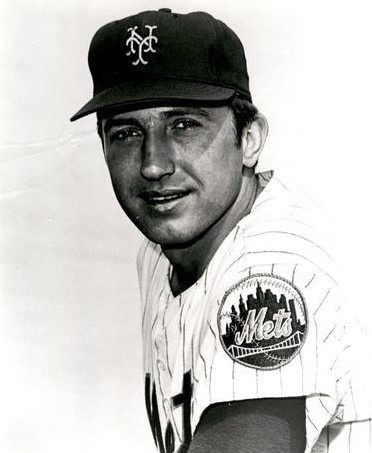
Jerry Koosman’s family described his Christian faith as central to his life and identified him as a devoted member of Peace Lutheran Church. That explicit description appeared in the obituary published by Grandstrand Funeral Home. It provided a sound basis for describing the former Major League pitcher as Christian and Lutheran, while recognizing that a family tribute was not a complete account of every belief he held.
Koosman died on November 1, 2026, at 83. Baseball fans remembered him especially for securing the final out of the New York Mets’ 1969 World Series victory.
What was known about Jerry Koosman’s religion?
The family obituary went beyond listing a funeral location. It directly described his Christian faith and his membership at Peace Lutheran Church in Dresser, Wisconsin. Those were claims about his life, not conclusions drawn from a ceremony.
The distinction is useful because religious profiles should be based on clear evidence. Koosman’s family described what mattered to him. The sources cited here did not provide an extensive first-person explanation of his theology, so this account should not pretend to offer one.
How did his family describe the man beyond baseball?
His obituary emphasized time with family and friends. It remembered a father and grandfather who enjoyed ordinary activities and valued the people close to him. That picture added something a career record could not show.
Associated Press coverage of his death recalled his place in the Miracle Mets story. He helped a team that had never previously finished with a winning record become World Series champions. His embrace with catcher Jerry Grote after the final out remained an enduring baseball image.
Both parts of the story mattered: the achievement that millions remembered and the relationships that gave shape to daily life. Public success never contains the whole of a person.
What can a church affiliation tell us?
A stated church affiliation can tell us where a person worshiped and which Christian tradition formed part of his life. It cannot give an outside observer complete knowledge of his heart. The family evidence should be reported honestly, without using it to announce an eternal verdict.
Jesus warned against trusting appearances alone. In Matthew 7:21–23, He explained that religious language is not a substitute for knowing Him. That warning applies to every reader, whatever church name appears in our background.
The right response is not suspicion toward everyone else’s profession. It is careful reporting about others and honest examination of ourselves. Are we trusting Christ, or only the familiar setting in which we learned to speak about Him?
What does the Bible say about lasting victory?
Sport gives us vivid pictures of struggle, discipline, and celebration. First Corinthians 9:24–27 uses an athletic contest to describe purposeful Christian living. Paul contrasts a temporary prize with one that does not fade.
That comparison does not make sport worthless. It puts achievement in perspective. A championship can become part of a city’s memory, yet it cannot free anyone from sin or death. The victory at the center of Christianity belongs to Jesus.
First Corinthians 15 connects hope beyond the grave with His resurrection. Without that resurrection, Christian faith would be empty. With the risen Christ, believers have a foundation stronger than nostalgia or the wish that a remarkable life should somehow continue.
How can sinners receive forgiveness?
Romans 3:23 says that all have sinned and fall short of God’s glory. The problem includes our dishonesty, pride, selfishness, and failure to love. Athletic excellence, family devotion, and church membership cannot erase that guilt.
Jesus Christ, God’s eternal Son, became human and lived without sin. He willingly died on the cross for sinners, was buried, and rose bodily from the dead on the third day (1 Corinthians 15:3–4). His work is the heart of the gospel.
Ephesians 2:8–10 teaches that salvation is God’s gift through faith. Good works follow as the fruit of grace, not the payment for it. Jesus calls people to repent and believe: to turn from sin and rely on Him for forgiveness.
What can readers take from Koosman’s story?
His family publicly identified his Christian faith and Lutheran church membership. Baseball history preserved his achievements, while those closest to him remembered a life larger than the game.
Remembering him can also prompt us to consider our own hope. Read the Gospels and examine Jesus’ promises. A celebrated final out can close a great contest. Only the risen Savior offers the forgiveness and eternal life that the gospel announces.
Sources
- Grandstrand Funeral Home via Legacy, November 1, 2026: family obituary and explicit description of Christian faith.
- Associated Press via ABC News, November 2, 2026: death confirmation and baseball career.
Photo: New York Mets. Existing crop of a 1971 team publicity photograph. Wikimedia Commons; Public domain in the United States.
