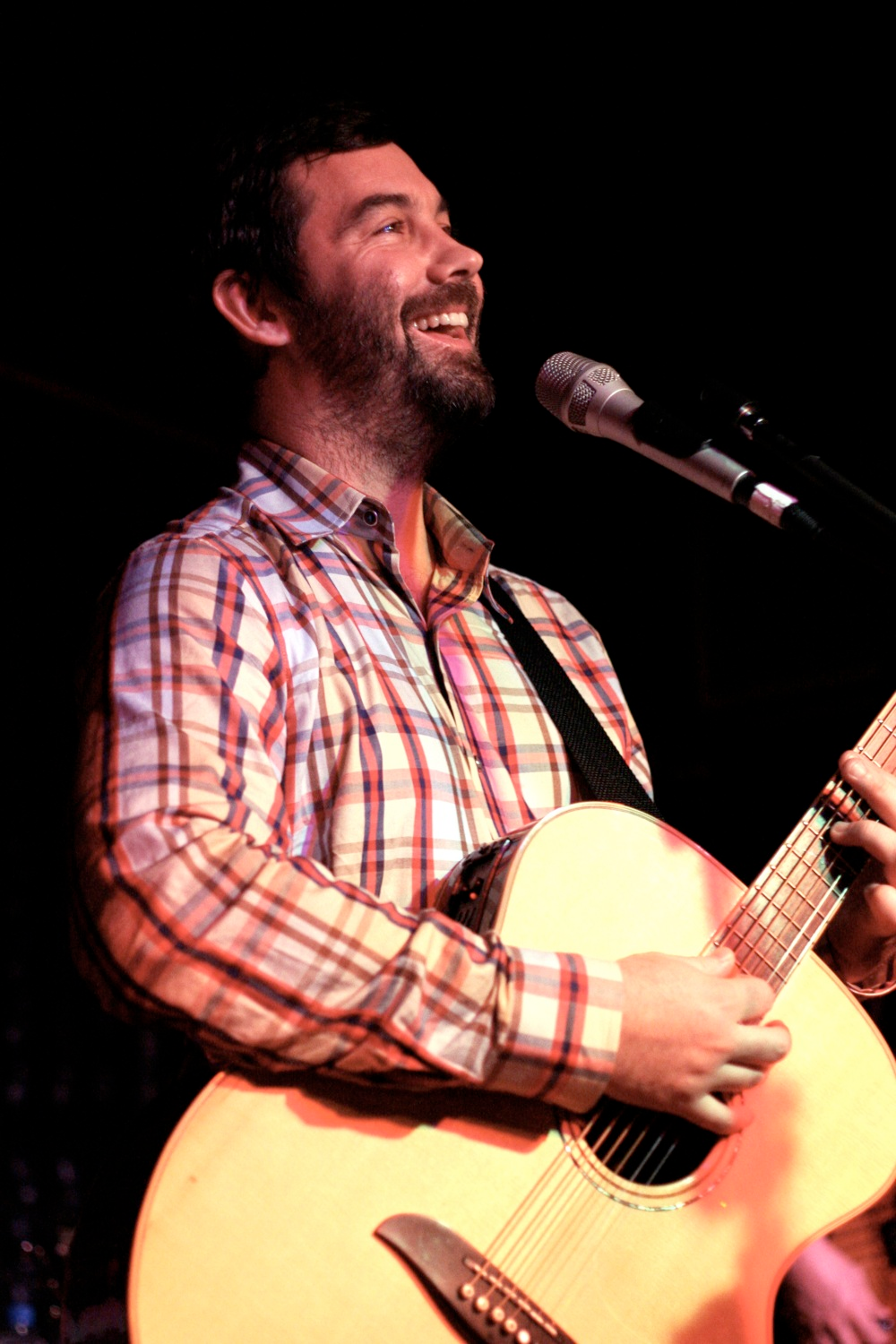
Duncan Sheik, the singer-songwriter known for “Barely Breathing” and the Tony- and Grammy-winning composer of Spring Awakening, died in September 2026 at age 56. When a well-known artist dies, people sometimes begin searching for answers about his beliefs. That question deserves both honesty and kindness.
Famous Faith does not claim to know where Duncan Sheik stood before God at the end of his life. No article can see a person’s heart. But we can look at what he said publicly about religion and compare ideas carefully with the good news of Jesus Christ.
What did Duncan Sheik say about religion?
Sheik spoke publicly and directly about Buddhism. The Associated Press reported that he and lyricist Steven Sater were practicing Buddhists when they met through chanting and later created Spring Awakening. In a later interview, Sheik said he began studying Eastern religions as a teenager and started practicing Buddhism formally when he was 19.
Those comments give us more than a vague spiritual label. They show that Buddhist practice was an important part of his public life and creative work. His music often dealt with longing, pain, beauty, and the search for meaning. Yet those themes, by themselves, do not turn a person into a Christian. Many people use spiritual language while holding very different beliefs about God, sin, salvation, and Jesus.
Was Duncan Sheik a Christian?
Based on the reliable public material available, it would not be accurate to call Duncan Sheik a Christian simply because he was thoughtful, spiritual, or interested in religious questions. His own public comments pointed to Buddhism, not to a clear profession of faith in Christ.
Still, Christians should be careful here. We must not pretend to know another person’s final standing with God. The Bible warns against proud judgment and reminds us that the Lord knows the heart. Our task is to report what is known, tell the truth about the gospel, and leave ultimate judgment to God.
Why the difference matters
Christianity is not mainly a path of self-improvement, meditation, or trying to become a better version of ourselves. The Bible teaches that every person is a sinner who needs mercy. Jesus Christ lived without sin, died for sinners, and rose again. He offers forgiveness and new life to those who turn to Him in faith.
That does not make the question of Duncan Sheik’s beliefs an excuse to speak coldly about his death. It is a reason to think seriously about our own lives. Success, talent, applause, and even beautiful art cannot remove sin or reconcile us to God. Only Jesus can do that.
A respectful takeaway
Duncan Sheik left behind songs and musical work that mattered to many people. The public evidence points to Buddhist practice as part of his life. We can remember his work with respect, avoid making claims beyond the evidence, and let his death remind us that the gospel is not merely a topic for celebrities. It is good news for every one of us.
Sources
Image credit: Duncan Sheik, 2006, by P.B. Rage, CC BY-SA 2.0, via Wikimedia Commons.