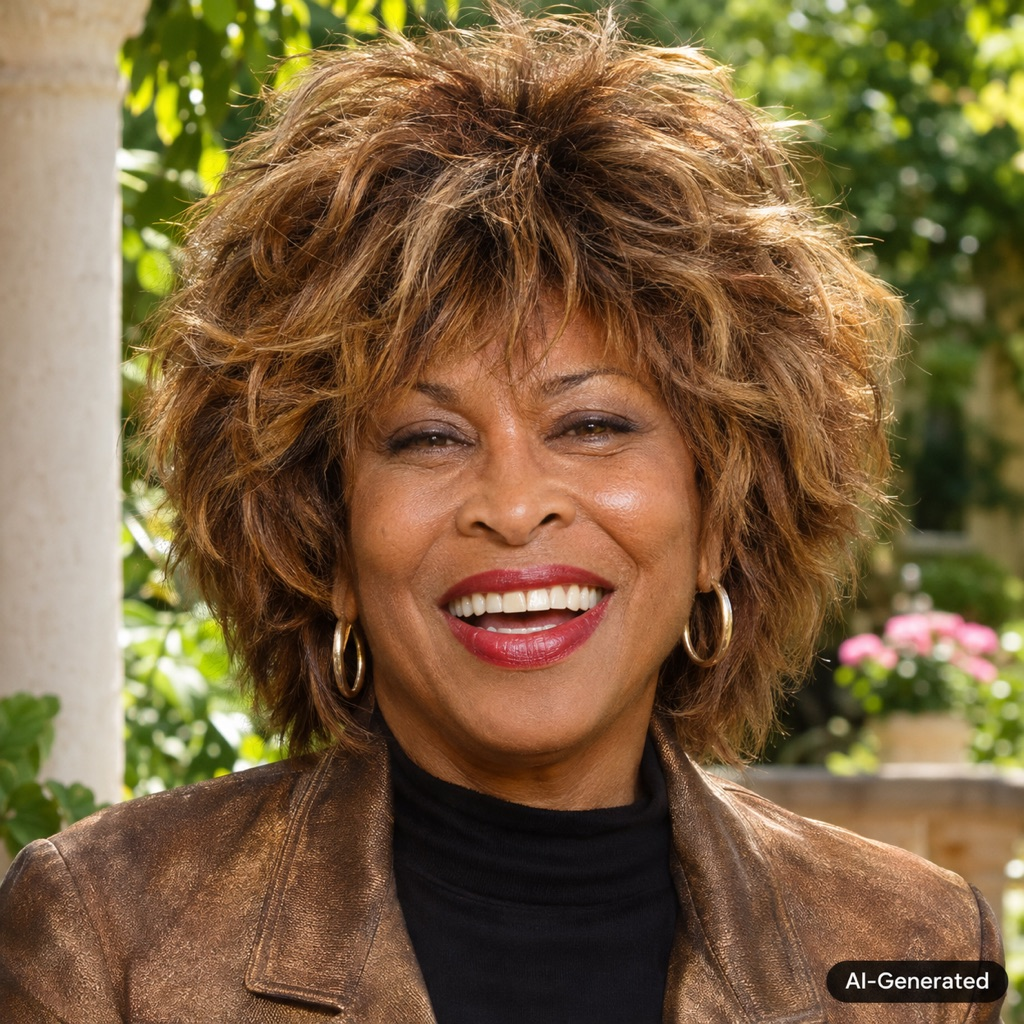
Tina Turner explicitly identified as Buddhist in later interviews and described decades of practicing Nichiren Buddhism. She also acknowledged growing up in a Baptist community. The most accurate account distinguishes that Christian background from the Buddhist faith and daily practices she discussed as an adult.
The performer and the person remembering her life
Turner became known for an extraordinary voice, commanding performances and a solo career that reached audiences across generations. Her story included both musical achievement and the work of rebuilding a life after abuse. Those experiences made questions about resilience central to the way many people understood her.
Her music publisher BMG recorded her death on May 24, 2023, at eighty-three. A profile of her religion therefore concerns the beliefs she described during her lifetime. Her memoirs and direct interviews provide a firmer foundation than projecting a religious identity onto a powerful performance.
What Tina Turner said about Buddhism
In a 2021 Vanity Fair interview, Turner stated plainly that she was Buddhist. She also said that chanting remained part of her daily life and described the practice as helping her live more calmly. This was a direct answer about her own religious identification, not merely an observer describing a decorative object in her home.
The interview looked back on her book Happiness Becomes You, which explored the place of Buddhism in her life. It showed that she was still willing to discuss that commitment after retiring from the demands of regular performance. The later date matters because it provides evidence of an ongoing practice, rather than leaving the answer at an early encounter with a new idea.
A long relationship with Nichiren Buddhist practice
In a 2020 World Tribune conversation about the book, Turner explained how people around her had encouraged her to learn about Buddhist principles and chanting. She described initially resisting those invitations, then finding encouragement through study and a local chanting group.
She associated those practices with greater confidence, clarity and a changed understanding of her circumstances. This should be reported as her account of what Buddhism meant to her. A personal testimony about spiritual practice should not be turned into a medical guarantee or a promise that another person’s difficulties will follow the same course.
The conversation identified the tradition as Nichiren Buddhism and acknowledged the Baptist community of her childhood. Those two parts of the timeline should remain visible. Saying that Turner had Christian roots is accurate background; using those roots to ignore her explicit adult identification would be misleading.
Was Tina Turner a Christian?
The question needs more than a label based on birthplace or upbringing. Turner’s later interviews clearly describe Buddhist belief and practice. They do not give a basis for replacing her stated religious identity with a conventional Christian confession. Nor does that mean a profile should dismiss the importance of the community and music she encountered early in life.
People can retain memories, language and affection from one religious setting while identifying with another tradition. A respectful account allows them to explain that experience. It should also be honest that Buddhism and Christianity are different religious traditions, rather than assuming that every account of hope or compassion is making the same claims.
That distinction is particularly important on a Christian site. We can report Turner’s Buddhism accurately and appreciate the determination visible in her story while examining religious teachings through Scripture. Respect does not require pretending that the beliefs are interchangeable, and disagreement does not require reducing a person to an argument.
Resilience and the need for mercy
Turner’s story can prompt gratitude for courage and for the people who help someone move toward safety and a different future. It can also raise questions about where lasting hope comes from. The Christian answer begins with God’s action toward people who cannot save themselves, rather than with the idea that sufficient inner strength can solve every human need.
The Bible teaches that all have sinned and fall short of God’s glory (Romans 3:23). Jesus Christ lived without sin, died for sinners and rose bodily from the dead (1 Corinthians 15:3–4). Forgiveness is received by grace through faith in Him, not earned through resilience, spiritual discipline, talent or a successful second chapter (Ephesians 2:8–9).
Repentance turns us from sin toward the Savior. Turner’s own words establish the Buddhist faith she publicly identified with in later life. Readers can consider that record carefully while taking up the more personal question of what they believe about Jesus Christ and the mercy He offers.
Sources
- Vanity Fair: Turner’s 2021 interview and Buddhist identification
- World Tribune: Turner’s 2020 interview about Nichiren Buddhism
- BMG: Turner’s life, music and death date
Image disclosure: AI-generated editorial portrait representing Tina Turner, created for Famous Faith; not a photograph. The setting is illustrative and does not document an actual event. No endorsement implied.