
The Office, work, and the goodness of ordinary people
The Office is remembered for uncomfortable meetings, absurd management decisions, and a remarkably specific picture of everyday work. Yet the show lasts in people’s memory because it gives its characters room to be more than punch lines. The sales floor, warehouse, annex, and break room become places where flawed people make mistakes, attempt repairs, celebrate small moments, and gradually become a kind of community.
That is worth appreciating. Work can become exhausting, repetitive, or lonely. But Scripture shows that human labor has dignity because people are made in the image of a creative God. We were made not simply to consume or perform for attention, but to cultivate, build, serve, and care for one another. A workplace comedy is not a Christian guide to life, yet it can remind us that ordinary faithfulness and ordinary relationships matter.
Why the ensemble works
The central strength of The Office is its ensemble. Michael’s need for approval, Jim and Pam’s patience with each other, Dwight’s intensity, and the distinct reactions of their coworkers create a world that feels more human than any one character could. The comedy often comes from contrast, but the characters are not treated as disposable. Even when someone acts foolishly, the show frequently lets the audience see a longing to belong, to be valued, or to get something right.
That longing is familiar. People want to be known beyond a job title and valued beyond their usefulness. God knows every person more deeply than a coworker ever can. Psalm 139 speaks of His complete knowledge of us. That truth is searching because He sees our sin and self-interest, but it is also hopeful because He does not offer mercy to an imaginary polished version of us. He offers mercy to real sinners through Jesus Christ.
Small acts of kindness matter
Much of the show’s warmth lies in its small acts: a colleague notices disappointment, people mark a birthday, someone shows up in a hard moment, or a joke gives way to care. These moments do not make every choice in the show right. They do point to something genuinely good: people are not meant to move through life unseen and uncared for.
Christians can recognize a reflection of God’s kindness in friendship, patience, humor, and service wherever they appear. James 1:17 says that every good and perfect gift comes from above. Appreciating a creative show does not require treating it as spiritually neutral or endorsing every message in it. It means taking gratitude seriously and letting stories of community prompt us to become more attentive to the people God has placed near us.
Explore the Office cast
These profiles examine public statements and documented background, not the private condition of anyone’s heart. Click a cast member’s photo to read the individual article, including the public evidence available about faith and a clear presentation of the gospel.
 Steve Carell
Michael Scott
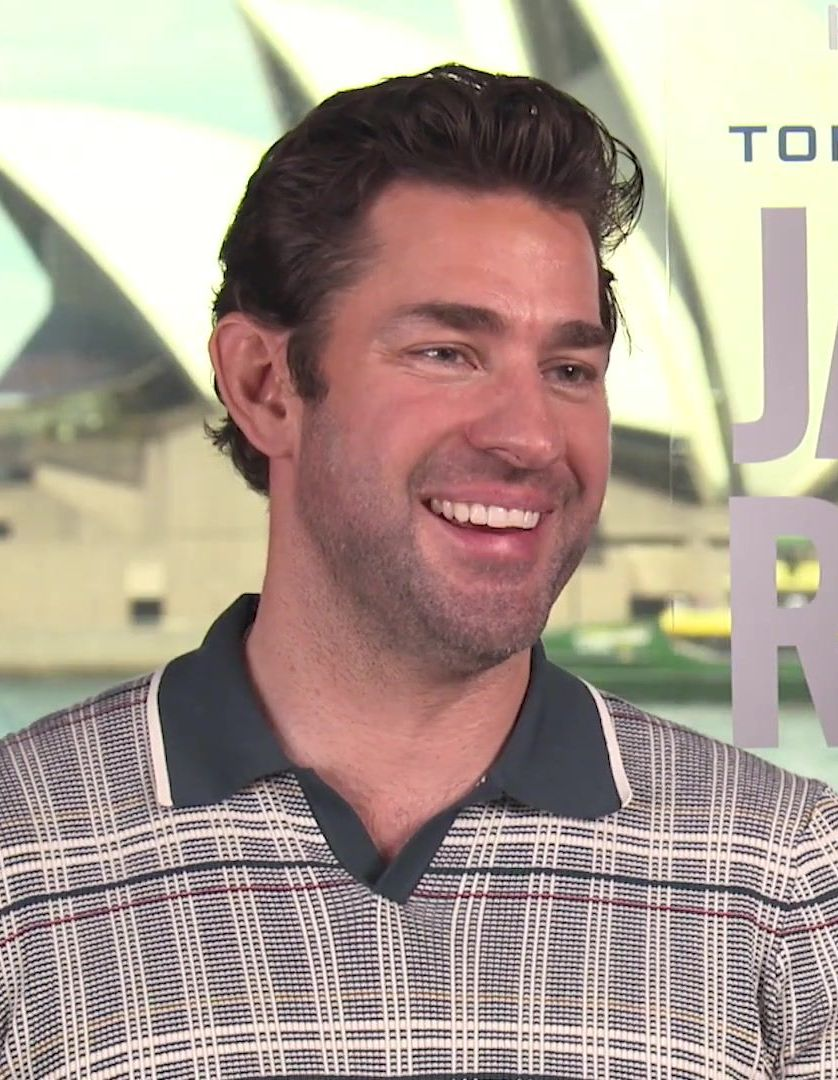 John Krasinski
Jim Halpert
 Rainn Wilson
Dwight Schrute
 Jenna Fischer
Pam Beesly
 B.J. Novak
Ryan Howard
 Ed Helms
Andy Bernard
 Mindy Kaling
Kelly Kapoor
 Angela Kinsey
Angela Martin
 Brian Baumgartner
Kevin Malone
 Creed Bratton
Creed Bratton
 Phyllis Smith
Phyllis Vance
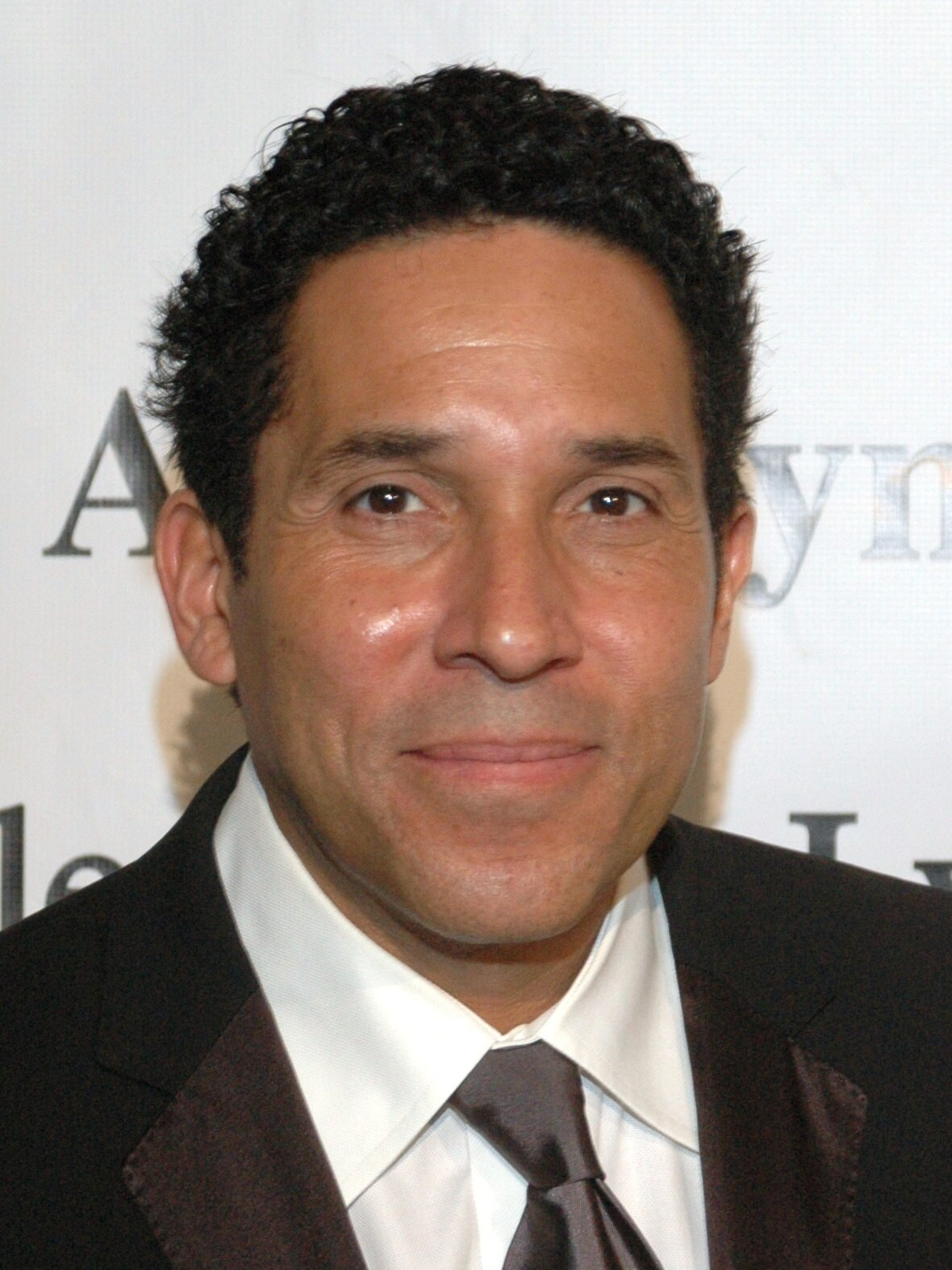 Oscar Nuñez
Oscar Martinez
 Craig Robinson
Darryl Philbin
Appreciation without assumptions
It is easy to assume that a celebrity’s character, religious upbringing, family history, or a single remark tells the whole story. It does not. A television role is fiction, and spiritual questions deserve more care than a label attached from a distance. Famous Faith’s purpose is to research what people have publicly said, distinguish that from inference, compare ideas with the Bible, and invite the reader to consider the gospel.
That approach also protects against a different mistake: deciding that compassion, talent, or cultural familiarity with Christianity is the same as being reconciled to God. The Bible calls us to love our neighbor and to practice mercy. It also says that every person needs forgiveness. Good works are good, but they cannot erase sin or make us acceptable to a holy God.
The gospel: more than becoming a better coworker
The Christian gospel is not simply advice to be kinder, work harder, or find a healthier community. God is holy, and all of us have sinned against Him (Romans 3:23). We have failed to love God with all our hearts and to love our neighbors as ourselves. Sin brings guilt and judgment, and we cannot fix that problem through achievement, religious background, or moral effort.
God acted in love by sending Jesus Christ, fully God and fully man. Jesus lived without sin, died on the cross as the substitute for sinners, and rose bodily from the dead. He bore the punishment we deserve and defeated death. Salvation is God’s gift of grace, received through faith, not something we earn by good works (Ephesians 2:8–9; 1 Corinthians 15:3–4).
God calls each of us to repent, turning from sin and self-reliance, and to trust in Jesus Christ alone as Lord and Savior. Christians are then called into a changed life that includes real love for others—not to purchase salvation, but because they have received mercy. The warmth of a favorite ensemble can be a pleasant reminder of human community; Christ offers the reconciliation with God that every person most deeply needs.
Photo and logo credits
- Steve Carell: Eva Rinaldi via Wikimedia Commons. CC BY-SA 2.0. Displayed at a reduced size. Hub thumbnail visually cropped to square.
- John Krasinski: Prime Video AU & NZ via Wikimedia Commons. CC BY 3.0. Hub thumbnail visually cropped to square.
- Rainn Wilson: Super Festivals via Wikimedia Commons. CC BY 2.0. Cropped version from Commons; displayed at a reduced size. Hub thumbnail visually cropped to square.
- Jenna Fischer: GabboT via Wikimedia Commons. CC BY-SA 2.0. Cropped version supplied by Commons; displayed at a reduced size. Hub thumbnail visually cropped to square.
- B.J. Novak: PhilipRomanoPhoto via Wikimedia Commons. CC BY-SA 4.0. Displayed at a reduced size; no additional crop. Hub thumbnail visually cropped to square.
- Ed Helms: Mingle Media TV via Wikimedia Commons, CC BY 2.0. Cropped and color/exposure-adjusted version supplied by Commons; displayed at a reduced size. Hub thumbnail visually cropped to square.
- Mindy Kaling: Neil Grabowsky / Montclair Film via Wikimedia Commons, CC BY 2.0. Cropped version supplied by Commons; displayed at a reduced size. Hub thumbnail visually cropped to square.
- Angela Kinsey: Anthony Quintano via Wikimedia Commons, CC BY 2.0. Cropped version supplied by Commons; no further crop. Hub thumbnail visually cropped to square.
- Brian Baumgartner: U.S. Marine Corps / Cpl. Alison Dostie via Wikimedia Commons. Public domain U.S. federal government work. Cropped version supplied by Commons; displayed at a reduced size. No endorsement implied. Hub thumbnail visually cropped to square.
- Creed Bratton: Super Festivals, via Wikimedia Commons, CC BY 2.0. Cropped version supplied by Commons; displayed at reduced size. No endorsement implied. Hub thumbnail visually cropped to square.
- Phyllis Smith: Vsculley, via Wikimedia Commons, CC BY-SA 4.0. Cropped and rotated version supplied by Commons; WordPress normalized image orientation. No endorsement implied. Hub thumbnail visually cropped to square.
- Oscar Nuñez: Ilya Haykinson, via Wikimedia Commons, CC BY-SA 4.0. Image-level adjustment by Nick Moreau; crop supplied by Commons. Displayed at reduced size. No endorsement implied. Hub thumbnail visually cropped to square.
- Craig Robinson: Gage Skidmore, via Wikimedia Commons, CC BY-SA 3.0. Displayed at reduced size; no additional crop. No endorsement implied. Hub thumbnail visually cropped to square.
- Logo: Jo9100, via Wikimedia Commons. The Office is a trademark of its respective owner. Used for identification only; no endorsement implied.


.jpg)


.jpg)
_(cropped).jpg)

_(cropped).jpg)
_CROPPED.jpg)
.JPG)
.JPG)

