Life · Work · Beliefs
Hwang Jang-lee
Jackie Chan’s formidable opponent in Drunken Master and Snake in the Eagle’s Shadow brought a lifetime of martial arts training to the screen.
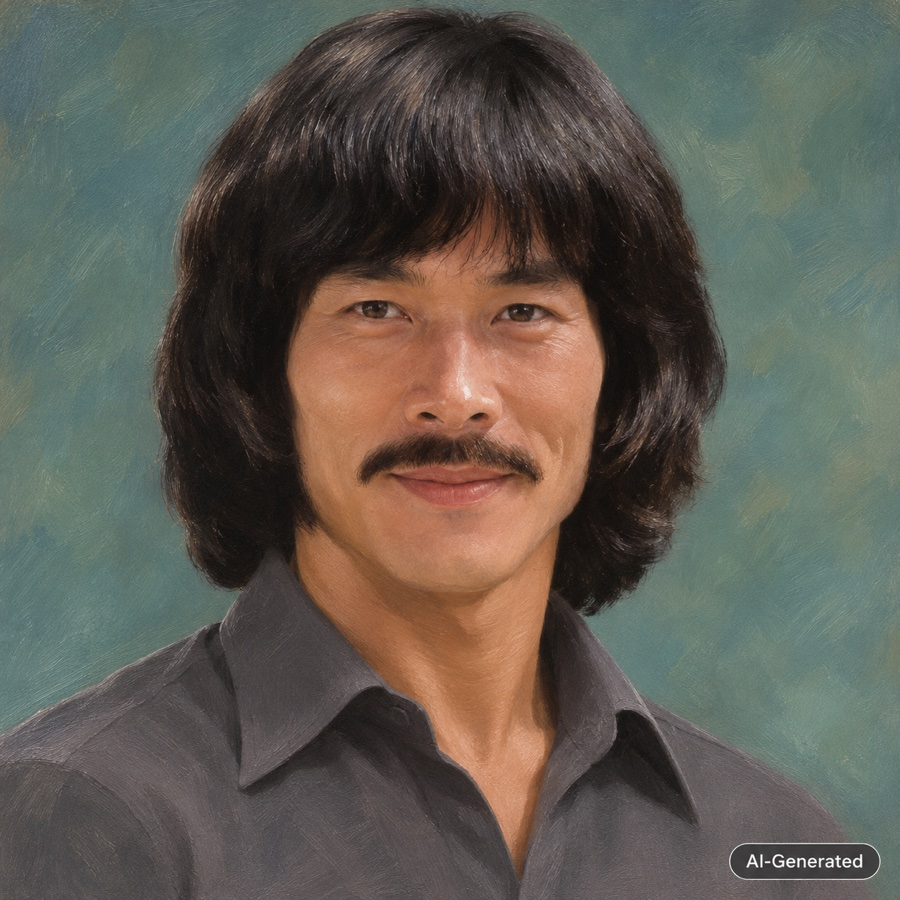
Jackie Chan’s early screen heroes needed opponents who could make every victory feel earned. Hwang Jang-lee brought that danger to life. His powerful kicks and controlled presence made him a memorable villain in classic martial arts films, especially Snake in the Eagle’s Shadow and Drunken Master.
Hwang died on November 12, 2026. His death was reported the following day by Maeil Business Newspaper and The Kyunghyang Shinmun. Kyunghyang cited an announcement from Kim Jin-yong, a former chairman of the martial arts federation associated with Hwang.
The performer behind the formidable villains
A South Korean martial artist who worked extensively in Hong Kong cinema, Hwang brought real training to his performances. Before his film career, he had worked as a taekwondo instructor. He began appearing in films in the 1970s and gained attention as Silver Fox in The Secret Rivals (1976), according to Far East Films’ career remembrance.
Two films released in 1978 introduced his abilities to an even wider audience. He confronted Chan in Snake in the Eagle’s Shadow, then appeared as the deadly antagonist often called Thunderleg or Thunderfoot in English versions of Drunken Master. Official distributor Eureka identifies Hwang as the assassin whose pursuit of Wong Fei-hung’s father brings Chan’s new skills into play. The Hong Kong Film Archive’s official program also credits Hwang among the stars.
His career included directing and a rare heroic lead in Hitman in the Hand of Buddha (1981). Later credits ranged from Ninja in the Dragon’s Den to Magnificent Warriors. Those different roles are documented in Far East Films’ filmography.
A teacher beyond the screen
The intimidating character on film was only part of Hwang’s story. In a 2014 interview with Kung Fu Movie Guide, he discussed returning to South Korea, pursuing business interests and teaching martial arts. He named Drunken Master as a favorite among his films and spoke about taking pride in the physical skills he brought to the camera.
He also described the importance of training the mind as his martial arts practice developed. The interview presents someone interested in teaching and discipline, alongside the flamboyant screen image that fans remembered. It helps readers distinguish an actor’s work from the person’s everyday character.
What was Hwang Jang-lee’s religion?
Hwang’s personal religious affiliation remains unconfirmed in reliable public sources. His comments about mental training explain his approach to martial arts, but they do not establish a denomination or a personal profession of Christian faith.
We can describe his public comments on discipline and teaching while acknowledging the limits of what he shared about religion. Famous Faith does not assign him beliefs that he did not publicly identify.
Beyond the Spotlight
Hwang’s work invited audiences to admire discipline and skill. His death also brings a deeper question into view: where can lasting hope be found? The following is Famous Faith’s Christian perspective, rather than a claim about Hwang’s beliefs.
The Bible describes God as holy, just and loving. His standard reaches beyond outward achievements to our motives and desires. The Ten Commandments reveal that we have not loved God and our neighbors as we should. Lying, stealing, coveting and dishonoring others are sins: violations of God’s law. This need for mercy includes the writer, not only the reader.
Training can improve a skill, but moral effort cannot erase our guilt. Scripture warns that we face God’s judgment and that hell is real. Christians should speak of this with humility and concern, never delight in another person’s loss.
The good news is that Jesus Christ, the sinless Son of God, came for sinners. He willingly died on the cross and rose bodily from the dead. Forgiveness rests on what he has done, rather than on our fame, discipline, religious performance or accumulated good deeds. Salvation is God’s gift of grace, received through faith (Ephesians 2:8–10).
Jesus calls us to repent and trust him. Repentance means turning from sin and rebellion toward God with a changed mind and heart, learning to trust the love he has shown through Christ. Changed conduct follows that trust; it does not buy forgiveness. There is room to bring honest questions and struggles to him.
We cannot judge Hwang’s eternal destiny. We can remember his contribution to film, respect those grieving him and consider Christ’s invitation for ourselves. The Good Person Test offers further reflection.
Sources
- Maeil Business Newspaper, Yang Soyeong, November 13, 2026.
- The Kyunghyang Shinmun, Yun Seung-min, November 13, 2026.
- Eureka, official Drunken Master release information, 1978 film.
- Hong Kong Film Archive, official Drunken Master screening program, 2024.
- Kung Fu Movie Guide, Ben Johnson’s interview, October 1, 2014.
- Far East Films, Phil Mills, November 13, 2026.
- Far East Films filmography, undated.
Image credit: Original AI-generated portrait of Hwang Jang-lee, created for Famous Faith. Illustration, not a photograph. No endorsement is implied.