The profile · Actor, writer, and director
Clark Gregg
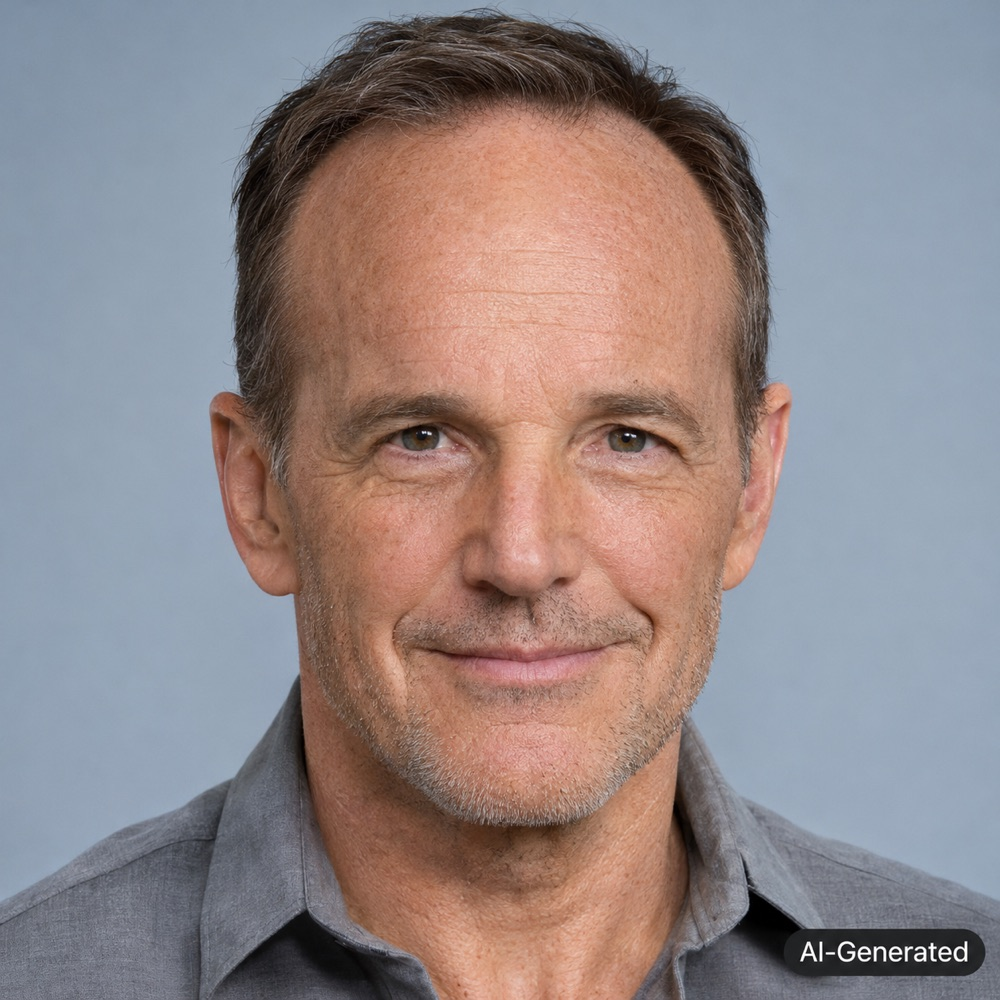
Clark Gregg made Phil Coulson feel at home in a world of extraordinary people. His wider career includes stage training, sitcom timing, screenwriting, and small films he has written and directed himself.
- Training
- NYU / Atlantic Acting School[1]
- Screen role
- Phil Coulson[2]
- Family background
- Son of religious scholar Robert C. Gregg[4]
The person behind the work
The familiar face with another job behind the camera
Clark Gregg’s acting background includes New York University’s Atlantic training program. NYU lists him among the studio’s alumni, alongside performers with very different careers. That stage-based beginning helps place his later screen work in a broader setting: long before a recurring character becomes familiar, an actor learns how to listen, rehearse, and work in a group.[1]
Phil Coulson first appeared in Iron Man and became a familiar presence across several films before leading Agents of S.H.I.E.L.D. The character’s appeal includes his practical manner in situations that are anything but ordinary. Gregg’s control of humor lets him acknowledge the strangeness without stepping outside the story.[2][5]
He has also written and directed films, including Choke and Trust Me. The latter premiered at Tribeca in 2013 and reached a wider release in 2014. In Trust Me he plays Howard Holloway, an agent for child actors whose hope for a break draws him into a darker story. The role is a sharp change from Coulson’s reassuring competence.[3][5]
A career in range
Selected work, at a glance
2006–2010
The New Adventures of Old Christine
Richard Campbell
A sitcom makes room for another kind of timing.[3]
2008
Choke
Writer and director
An independent adaptation shows his interest in complicated, uncomfortable stories.[3]
2013 / 2014 release
Trust Me
Howard Holloway; writer and director
A struggling agent’s hoped-for opportunity becomes a dark industry story.[3]
2013–2020
Agents of S.H.I.E.L.D.
Phil Coulson and related roles
Television gave him a much longer character journey.[5]
The working life of a film
Making a small film while working in a very large one
In a June 2014 ScreenCrush interview, Gregg explained that promoting a small film required the filmmaker to be present and passionate. His television schedule had delayed that work on Trust Me. He also talked about the uncertainty around on-demand release and whether watching at home would help or hurt a film’s theater audience.[5]
Those comments give readers a practical view of film-making beyond the premiere. Finishing a movie is not the same as finding an audience. A director may still need to explain why the story matters, answer questions, and persuade people to take a chance on it. Gregg’s career has put him in both a large publicity machine and that smaller, more personal effort.
Trust Me also lets him examine the pursuit of success from the inside. Tribeca described a black comedy in which kindness and ambition do not fit neatly together. Watching it beside his more familiar screen work can make the difference in tone especially clear. The film includes adult language and disturbing material.[3]
A closer look
Three ways into the work
Consider the writer’s job
What Lies Beneath gives another way into Gregg’s work. A suspense screenplay has to control what the audience learns and when. Notice how a familiar household setting can become unsettling as information arrives. The film contains violence and mature themes.
Change the setting to a sitcom
The New Adventures of Old Christine gives Gregg a different pace. A sitcom’s repeated relationships let a reaction or an old grievance do part of the work before anyone explains it.
Background, without a shortcut
A family connection to religious life
Gregg’s father, Robert C. Gregg, was an Episcopal priest, scholar of early Christianity, and Stanford’s dean for religious life. Stanford’s obituary also described his work with people of different faiths. Clark spoke about his father’s full and varied life in the university’s tribute.[4]
That is a meaningful part of his family background. It does not tell us exactly what the actor believes today, and the career interviews used here do not fill in that detail. A family history can be described without assigning the same religious position to every member.
Listen to the person
In their own words
June 2014
“There was trial and error.”
Famous Faith’s Christian perspective
Beyond the Spotlight
Gregg’s work includes people who seem capable and people desperate for a break. His family story also brings questions of faith into view. Taken together, these are reminders that a public role tells only part of a life. The Bible speaks to the person beneath every role, with both truth and love.
That truth includes a clear account of sin. It is breaking God’s law (1 John 3:4). The Ten Commandments forbid lies, theft, adultery, and coveting, and call for honor toward God and parents. They test our private choices as well as our reputation. All of us need mercy. Jesus warned about judgment and hell; Christians should explain that with compassion, remembering their own failures.
The good news is Jesus Christ, God’s Son. He lived without sin, died on the cross for sinners, and rose bodily from the dead. God offers forgiveness and a restored relationship with himself through faith in Jesus. This is grace, not a reward for finding success or looking respectable (1 Corinthians 15:3–4; Ephesians 2:8–10).
Repentance means a change of mind and heart that turns us from sin and rebellion toward God. We learn to stop resisting him and trust the love he has shown us through Jesus Christ. It normally leads to changed behavior, without making growth instant or easy. A reader can come to Christ honestly, confess wrong, and trust him as Lord and Savior. Forgiveness gives us room to stop hiding, make amends where possible, and learn to love other people well.
This section shares Famous Faith’s Christian beliefs. It does not speak for Clark Gregg.
People connected to the story
Follow the connections
Alexis Denisof
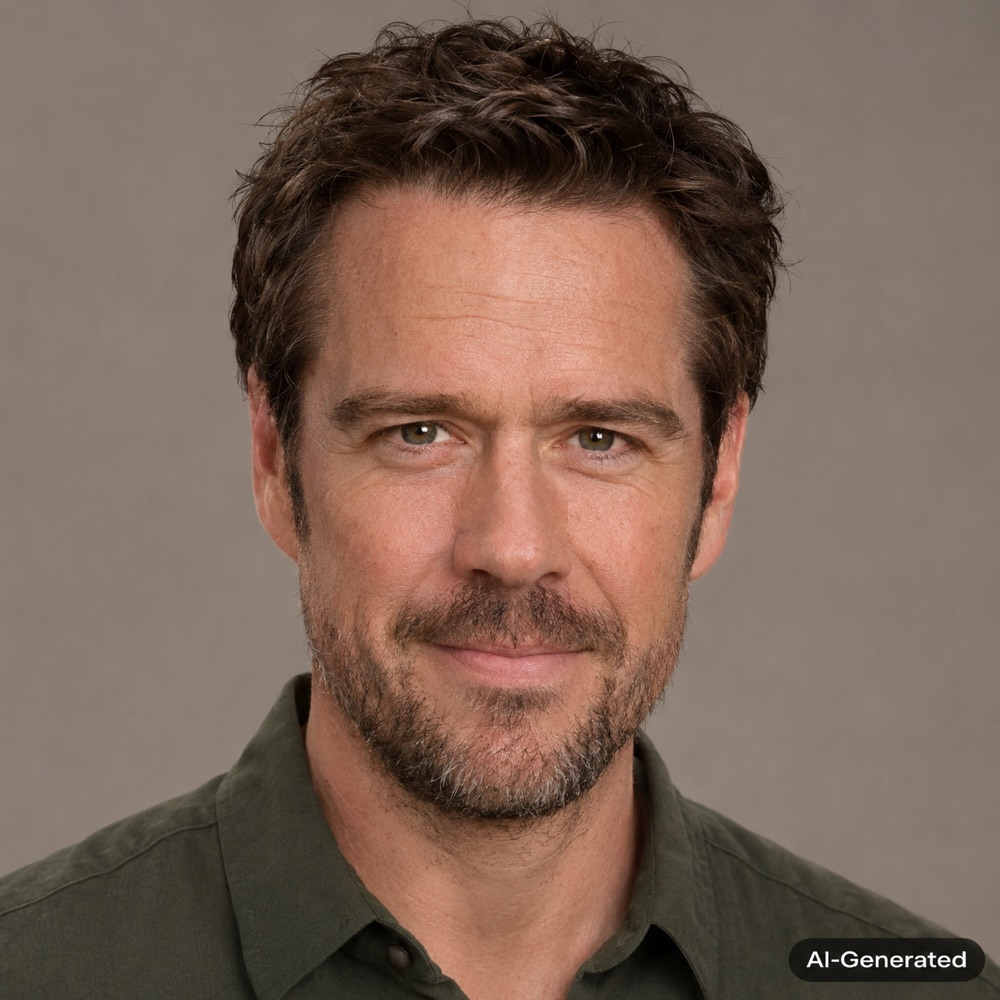
They appear in both The Avengers and the small Shakespeare film Much Ado About Nothing. That is an unusually wide change in scale.[6]
Read the profile →
Ashley Johnson
Both appear in The Avengers, though their wider careers take very different routes through television, games, and film.[7]
Read the profile →
Robert Downey Jr.
Iron Man places Gregg’s Coulson alongside Downey’s Tony Stark. Their exchanges helped introduce Coulson’s dry, practical manner.[2]
Read the profile →Watch in context
On making Trust Me
Published by We Got This Covered. Watch on YouTube ↗
Sources and further reading
- NYU Tisch — Atlantic studio alumni
- Marvel — Iron Man
- Tribeca Festival — Trust Me (2013), synopsis and filmmaker biography
- Stanford Report — Robert C. Gregg remembered (2023)
- ScreenCrush — Clark Gregg interview (2014)
- The MacGuffin — Much Ado About Nothing cast interview
- Critical Role — Ashley Johnson biography and credits
Artwork: Original AI-generated portrait of Clark Gregg, created for Famous Faith; not a photograph. The other AI-generated portraits shown here were also created for Famous Faith. No endorsement is implied.
Photograph: Robert Downey Jr. by Gage Skidmore, via Wikimedia Commons, CC BY-SA 2.0. Cropped to a square card for display.

Film and book titles identify the works discussed. A career credit is not a recommendation that every reader watch or read that work.