What Was Michael Jackson’s Religion? Was He a Christian?

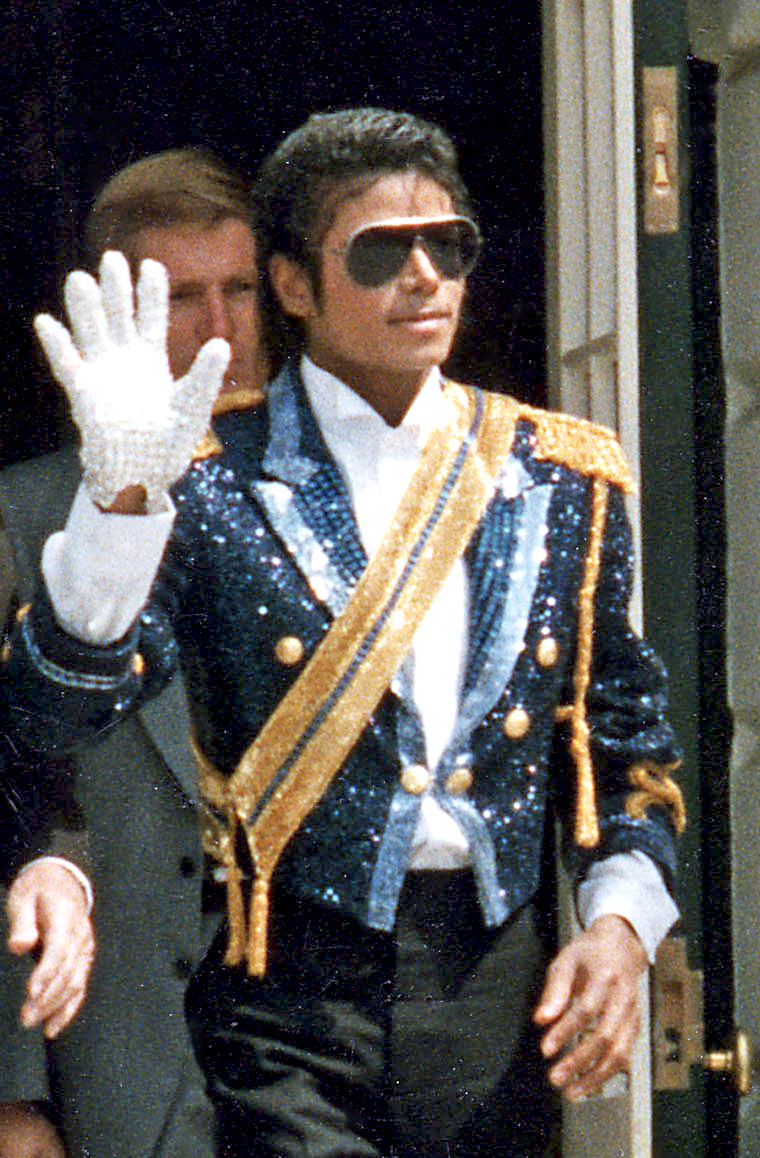
Michael Jackson at the White House in 1984

Michael Jackson changed popular music. His songs and performances reached people far beyond any church or religious group. Because his public image included talk about God and the Bible, many readers ask what religion he followed and whether he was a Christian. Jackson died in 2009, so we should speak about him in the past tense and be especially careful not to claim knowledge of his final spiritual condition.

The best public evidence shows that Jackson was once associated with Jehovah’s Witnesses. In a 1982 interview, he spoke about believing in God and reading the Bible. In 1987, a congregation representative told the Los Angeles Times that Jackson had left the group. Those facts are more useful than internet rumors. They still do not reveal everything he believed in the years before his death.

What Michael Jackson said in his own words

In an Interview magazine conversation from 1982, Jackson was asked directly if he was religious. He answered yes and said he believed in the Bible and in God, whom he called Jehovah. He also said he read the Bible often. When asked where he worshiped, he identified the Kingdom Hall and Jehovah’s Witnesses. These were his statements while he was a young adult, not guesses made after his death.

The interviewer called him a “basic Christian,” but Jackson did not simply repeat that label. He answered that he believed in truth. That small exchange is worth noting. It would be inaccurate to quote the interviewer’s words as if Jackson had given a detailed personal testimony about Jesus. It would also be inaccurate to pretend that religion was absent from his life at that time. The interview clearly shows that he thought about God and Scripture.

Why his later religious story is harder to summarize

On June 7, 1987, the Los Angeles Times reported that Jackson had disassociated himself from Jehovah’s Witnesses. A local congregation representative said Jackson no longer wanted to be known as a Witness, and the report cited a letter from the organization. Jackson’s manager declined to comment on his private life. Leaving a religious organization is a significant fact, but it does not automatically tell us which beliefs he kept, changed, or rejected.

People sometimes try to solve that question by studying lyrics, stage images, or comments from friends. That approach can quickly become speculation. A singer may use a biblical image because it fits a song; a friend may know only part of a private story. We can note reliable records, but we should not build a confident claim about Jackson’s faith from hints. His fame made him unusually visible, not unusually easy to understand.

Jackson’s death also makes our limits plain. No new interview can ask him what he believed at the end. Christians may discuss the differences between Jehovah’s Witness teaching and historic Christian teaching about Jesus. Those differences matter. Yet a doctrinal comparison does not give us the authority to announce where one particular person stands before God. We can state what the sources show and leave judgment with the Lord.

What is the Christian gospel?

The question “Was Michael Jackson a Christian?” can become a way to avoid a harder question: What does it mean to trust Christ? The Bible says all of us have sinned and fall short of God’s glory (Romans 3:23). Fame cannot remove that guilt. Neither can reading religious books, belonging to a group, or doing charitable acts. We need more than a respected label.

Christians believe Jesus is the eternal Son of God, who became man, lived without sin, died for sinners, and rose bodily from the dead. He is not merely a moral teacher or an inspiring figure in a song. Salvation comes by God’s grace through faith in him, not by our own works (Ephesians 2:8–9). That is why the person of Jesus matters so much when we ask about Christianity.

Thinking about Jackson’s talent may also remind us how short life is. He accomplished things that will be remembered for decades, yet his life still ended. The same will be true of ours, whether anyone knows our names or not. That truth is not meant to make us cruel toward the dead. It should make us humble, grateful for the time we have, and ready to seek God now.

What can we responsibly say?

Jackson publicly identified with Jehovah’s Witnesses in 1982, and the organization reported that he left in 1987. The sources reviewed here do not establish a clear, final public confession of faith in Jesus Christ as understood by historic Christianity. I cannot say what was in his heart when he died. I can only say what he publicly said and what reliable reporting documented.

For you, the call is present, not past. Do not rest on a celebrity’s religious story or on your own background. Repent of your sin and trust in Jesus Christ, who died and rose again. Ask him for forgiveness and follow him. The gospel offers real hope to ordinary people, even when the stories of famous people remain incomplete.

Sources: Interview magazine’s 1982 conversation with Michael Jackson; Los Angeles Times report, June 7, 1987.

Photo: White House Photo Office / National Archives, via Wikimedia Commons, public domain (U.S. federal government work).


What Is Cynthia Erivo’s Religion? Is She a Christian?

AI-Generated portrait of Cynthia Erivo

Cynthia Erivo has played women whose stories are filled with courage and hope. Many viewers know her from Harriet and Wicked; theater fans may remember her powerful performance in The Color Purple. Because her work can sound deeply spiritual, people ask what she believes herself. Is Cynthia Erivo a Christian? The answer should begin with her public words, not with the characters she plays.

Erivo has described herself as a person of faith. She has spoken about prayer and about drawing on faith while playing Harriet Tubman. Those are meaningful statements. At the same time, a public interview cannot tell us all of her beliefs or the condition of her heart. We can report what she said without turning one scene or one quote into a full testimony.

What Cynthia Erivo said while making Harriet

In a 2019 interview with The Guardian, Erivo said she was a person of faith. She explained that she prayed before going to the set each day. She asked for guidance, strength when she was tired, and freedom from vanity so she could tell Harriet Tubman’s story well. This was not a line from the movie. It was Erivo speaking about her own practice.

Prayer mattered to her because Tubman’s faith mattered to the story. Tubman spoke about seeking God’s direction as she helped enslaved people escape. Erivo said that faith gave her a way to understand the woman she was portraying. She also spoke of wanting the set to feel safe and open. Her answer joined her personal belief with the hard work of acting, rather than treating religion as a costume she wore for the role.

The same profile says Erivo attended a Catholic school while growing up in south London. That background gives useful context, but it is not proof of what she believes today. A school can teach prayers and Bible stories; each student still has to decide how to respond. We should place more weight on Erivo’s own adult words than on a school label from childhood.

Faith and a famous role are not the same thing

Erivo’s performance in Harriet may move viewers to think about justice, freedom, and God. But Harriet Tubman’s beliefs belong to Tubman. An actor can sincerely honor those beliefs without making every part of the character’s life her own. Likewise, playing Elphaba in Wicked tells us about Erivo’s craft, not her religious confession. It is easy to confuse art with biography when a performance feels personal.

There is another reason to be careful. Words such as “faith” and “prayer” are important, but people use them in different ways. Erivo’s statement shows that faith is real in her public story. It does not, on its own, explain exactly what she believes about Jesus’ death and resurrection. We should not erase her words by saying she has no faith, and we should not add words she has not said.

What the gospel asks of every reader

One striking part of Erivo’s interview is her prayer to be free from vanity. Fame can tempt people to make every story about themselves. That temptation is not limited to performers. We all want praise, and we often want to appear better than we are. The Bible calls this part of our deeper problem: all have sinned and fall short of God’s glory (Romans 3:23). A thoughtful prayer is good, but no one earns salvation by being humble enough.

The Christian gospel is about what Jesus did for sinners. He lived without sin, died in our place, and rose again. God offers forgiveness by grace through faith in Christ (Ephesians 2:8–9). This is not a prize for talent, kindness, religious schooling, or the ability to portray a heroic person. It is mercy for people who know they need it. That includes famous actors and the person reading this page.

Christians can appreciate Erivo’s honest talk about prayer and still ask clear questions about Jesus. We can also avoid treating her as a project or a headline. She is a person, not a test case. Listening well means taking her statements seriously and admitting when the public record leaves a question open. The condition of her soul is known to God, not to a blogger or a fan.

Is Cynthia Erivo a Christian?

The evidence reviewed here supports a careful answer: Erivo has publicly called herself a person of faith and has described praying regularly while making Harriet. Those words suggest that belief in God is important to her. They do not provide a full statement of Christian doctrine or let us decide whether she personally trusts Christ. If she says more in the future, her words can be considered then.

For you, the invitation is clear now. Do not depend on a famous person’s faith, a movie that inspired you, or your own good intentions. God calls you to repent of sin and trust in Jesus Christ. He died and rose again, and he offers forgiveness and new life to those who come to him. Ask whether you are trusting him today.

Source: The Guardian’s 2019 interview with Cynthia Erivo.

What Is Colm Meaney’s Religion? Is He a Christian?

Colm Meaney is known to many Star Trek fans through Miles O’Brien in Star Trek: The Next Generation and Deep Space Nine. A familiar role can make people curious about the person behind it. Some readers ask whether Colm Meaney is a Christian. That is a fair question to research, but it needs a careful answer based on what Colm Meaney has actually said in public.

What can we verify about Colm Meaney?

Meaney brought his own Irish voice to Miles O’Brien, a character who became important across two Star Trek series. In an Irish Times interview, Meaney discussed his teenage interest in politics and recalled resistance from the Christian Brothers at his school when students tried to form a union. In a Big Issue interview, he also spoke about knowing early that acting was the work he wanted to do.

Career facts are useful, but they are not the same thing as a person’s faith. An actor can portray a doctor, counselor, android, captain, or spiritual character without sharing that character’s beliefs. Fans also should not assume that the views of a franchise, a writer, a co-star, or a family member belong to Colm Meaney. Each person deserves to be described by his or her own documented words.

Is Colm Meaney a Christian?

Meaney’s memories of a Catholic-school setting and his use of religious language do not establish his present beliefs. I could not verify a clear public statement in which he identifies himself as a Christian or explains a personal faith in Jesus Christ. So the answer should remain modest: his religious background and personal faith are not publicly clear from the sources I found.

That answer may feel less certain than a quick online label. Still, careful uncertainty is better than confident guessing. Only God sees the heart. Public interviews can tell us what a person has chosen to say, but they cannot give us authority to pronounce a final verdict on anyone’s soul.

Why details matter

Words such as faith, spiritual, Christian, Jewish, secular, or religious can mean different things to different people. They should not be treated as shortcuts. Biblical Christianity is not simply admiring Jesus, being moral, belonging to a religious culture, or using spiritual language. Christians trust that Jesus Christ is the Son of God who died for sinners and rose again. That message deserves to be heard clearly, with kindness and honesty.

It is good to listen to public comments in their full setting. It is also good to be humble when the evidence is limited. We can acknowledge a person’s accomplishments and humanity without turning a celebrity article into either praise or attack. The purpose here is not to win an argument about Colm Meaney. It is to point readers toward the far more important question of who Jesus is.

What the gospel says

The Bible says that every one of us has sinned and falls short of God’s glory (Romans 3:23–24). God did not leave us without hope. Jesus Christ came into the world, died for sins, and rose again. The apostle Paul calls this good news “of first importance” (1 Corinthians 15:3–4). This is not merely a general idea that a higher power may exist. It is the historical Christian claim about Jesus.

Jesus calls people to repent and believe the good news (Mark 1:14–15). To repent is to turn from sin and from trusting ourselves. To believe is to trust Jesus Christ—his death and resurrection—for forgiveness and new life. The Gospel of John was written so readers could consider this testimony and believe that Jesus is the Christ (John 20:30–31).

A personal question

You may have arrived here looking for a short answer about Colm Meaney. Please do not let the search end there. Whether a celebrity has spoken clearly about faith or not, you still have to answer Jesus’ call for yourself. Read one of the Gospels, examine what it says about Christ, and ask God for mercy. Do not put off turning from sin and trusting in Jesus Christ. He receives those who come to him in faith.

Photo: Colm Meaney at the Toronto International Film Festival (2024) by Kevin Payravi, via Wikimedia Commons, CC BY-SA 4.0. License.

Sources: The Irish Times interview with Meaney; The Big Issue interview with Meaney.

What Was Majel Barrett’s Religion? Was She a Christian?

Majel Barrett is known to many Star Trek fans through Nurse Christine Chapel, Lwaxana Troi, and the voice of the computer across the Star Trek franchise. A familiar role can make people curious about the person behind it. Some readers ask whether Majel Barrett is a Christian. That is a fair question to research, but it needs a careful answer based on what Majel Barrett has actually said in public.

What can we verify about Majel Barrett?

Barrett was one of the foundational figures in Star Trek. She played several roles over decades and was married to series creator Gene Roddenberry. The official Star Trek site preserves a retrospective interview in which she discussed her early work and the growing world of the franchise. Barrett died in 2008, so it is important to use past tense and to write with special care.

Career facts are useful, but they are not the same thing as a person’s faith. An actor can portray a doctor, counselor, android, captain, or spiritual character without sharing that character’s beliefs. Fans also should not assume that the views of a franchise, a writer, a co-star, or a family member belong to Majel Barrett. Each person deserves to be described by his or her own documented words.

Is Majel Barrett a Christian?

I could not verify a clear public statement in which Barrett identified herself as a Christian or gave a personal testimony of faith in Jesus Christ. Her marriage to Gene Roddenberry, her characters, and her long association with a show that explored human questions do not settle her own beliefs. Since she is no longer here to clarify them, speculation would be even less appropriate. The honest answer is that her personal religion is not publicly clear from the evidence I found.

That answer may feel less certain than a quick online label. Still, careful uncertainty is better than confident guessing. Only God sees the heart. Public interviews can tell us what a person has chosen to say, but they cannot give us authority to pronounce a final verdict on anyone’s soul.

Why details matter

Words such as faith, spiritual, Christian, Jewish, secular, or religious can mean different things to different people. They should not be treated as shortcuts. Biblical Christianity is not simply admiring Jesus, being moral, belonging to a religious culture, or using spiritual language. Christians trust that Jesus Christ is the Son of God who died for sinners and rose again. That message deserves to be heard clearly, with kindness and honesty.

It is good to listen to public comments in their full setting. It is also good to be humble when the evidence is limited. We can acknowledge a person’s accomplishments and humanity without turning a celebrity article into either praise or attack. The purpose here is not to win an argument about Majel Barrett. It is to point readers toward the far more important question of who Jesus is.

What the gospel says

The Bible says that every one of us has sinned and falls short of God’s glory (Romans 3:23–24). God did not leave us without hope. Jesus Christ came into the world, died for sins, and rose again. The apostle Paul calls this good news “of first importance” (1 Corinthians 15:3–4). This is not merely a general idea that a higher power may exist. It is the historical Christian claim about Jesus.

Jesus calls people to repent and believe the good news (Mark 1:14–15). To repent is to turn from sin and from trusting ourselves. To believe is to trust Jesus Christ—his death and resurrection—for forgiveness and new life. The Gospel of John was written so readers could consider this testimony and believe that Jesus is the Christ (John 20:30–31).

A personal question

You may have arrived here looking for a short answer about Majel Barrett. Please do not let the search end there. Whether a celebrity has spoken clearly about faith or not, you still have to answer Jesus’ call for yourself. Read one of the Gospels, examine what it says about Christ, and ask God for mercy. Do not put off turning from sin and trusting in Jesus Christ. He receives those who come to him in faith.

Photo: Majel Roddenberry (Majel Barrett) at a Star Trek convention (2008) by Beth Madison, via Wikimedia Commons, CC BY 2.0. License.

Sources: StarTrek.com retrospective interview with Majel Barrett; Majel Barrett biographical overview and references.

What Is John de Lancie’s Religion? Is He a Christian?

John de Lancie is known to many Star Trek fans through Q, the powerful and unpredictable character who appeared across Star Trek series. A familiar role can make people curious about the person behind it. Some readers ask whether John de Lancie is a Christian. That is a fair question to research, but it needs a careful answer based on what John de Lancie has actually said in public.

What can we verify about John de Lancie?

De Lancie’s character Q often raised big questions about humanity, but the actor has also spoken directly about his own views. In a detailed Skeptical Inquirer interview, de Lancie said he grew up in a secular home and did not believe “all this religious stuff.” He also discussed why he has described himself as openly secular and why he is cautious about labels.

Career facts are useful, but they are not the same thing as a person’s faith. An actor can portray a doctor, counselor, android, captain, or spiritual character without sharing that character’s beliefs. Fans also should not assume that the views of a franchise, a writer, a co-star, or a family member belong to John de Lancie. Each person deserves to be described by his or her own documented words.

Is John de Lancie a Christian?

De Lancie is not publicly presenting himself as a Christian. He has spoken as a secular skeptic and has criticized some forms of religion. That deserves an accurate account, not an insult. His criticism may come from real experiences, but Christianity should ultimately be measured by Jesus Christ and the Bible, not by manipulation or hypocrisy done in religion’s name. Scripture itself warns against empty outward religion and calls for truth.

That answer may feel less certain than a quick online label. Still, careful uncertainty is better than confident guessing. Only God sees the heart. Public interviews can tell us what a person has chosen to say, but they cannot give us authority to pronounce a final verdict on anyone’s soul.

Why details matter

Words such as faith, spiritual, Christian, Jewish, secular, or religious can mean different things to different people. They should not be treated as shortcuts. Biblical Christianity is not simply admiring Jesus, being moral, belonging to a religious culture, or using spiritual language. Christians trust that Jesus Christ is the Son of God who died for sinners and rose again. That message deserves to be heard clearly, with kindness and honesty.

It is good to listen to public comments in their full setting. It is also good to be humble when the evidence is limited. We can acknowledge a person’s accomplishments and humanity without turning a celebrity article into either praise or attack. The purpose here is not to win an argument about John de Lancie. It is to point readers toward the far more important question of who Jesus is.

What the gospel says

The Bible says that every one of us has sinned and falls short of God’s glory (Romans 3:23–24). God did not leave us without hope. Jesus Christ came into the world, died for sins, and rose again. The apostle Paul calls this good news “of first importance” (1 Corinthians 15:3–4). This is not merely a general idea that a higher power may exist. It is the historical Christian claim about Jesus.

Jesus calls people to repent and believe the good news (Mark 1:14–15). To repent is to turn from sin and from trusting ourselves. To believe is to trust Jesus Christ—his death and resurrection—for forgiveness and new life. The Gospel of John was written so readers could consider this testimony and believe that Jesus is the Christ (John 20:30–31).

A personal question

You may have arrived here looking for a short answer about John de Lancie. Please do not let the search end there. Whether a celebrity has spoken clearly about faith or not, you still have to answer Jesus’ call for yourself. Read one of the Gospels, examine what it says about Christ, and ask God for mercy. Do not put off turning from sin and trusting in Jesus Christ. He receives those who come to him in faith.

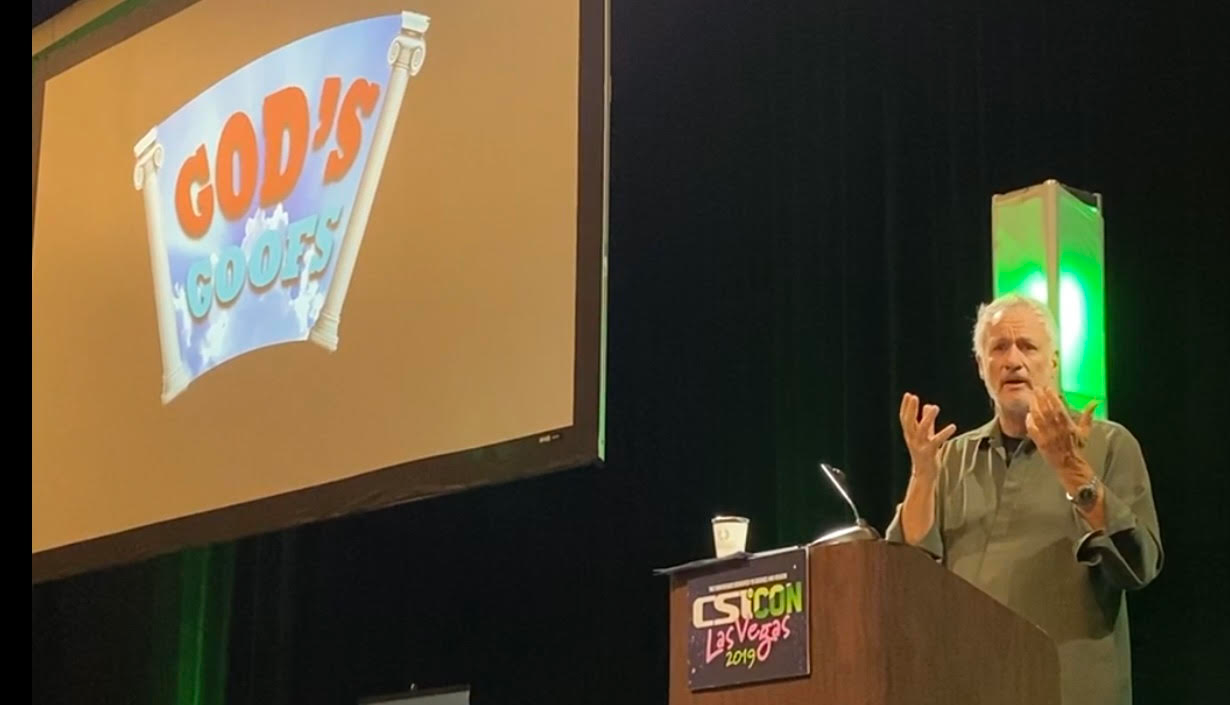
Photo: John de Lancie speaking at CSICon (2019) by Rp2006, via Wikimedia Commons, CC BY-SA 4.0. License.

Sources: Skeptical Inquirer Q&A with de Lancie; The Humanist interview with de Lancie.

What Is Denise Crosby’s Religion? Is She a Christian?

Denise Crosby is known to many Star Trek fans through Security Chief Tasha Yar in the first season of Star Trek: The Next Generation and later Sela. A familiar role can make people curious about the person behind it. Some readers ask whether Denise Crosby is a Christian. That is a fair question to research, but it needs a careful answer based on what Denise Crosby has actually said in public.

What can we verify about Denise Crosby?

Crosby’s time as Tasha Yar was brief, but the character remained important to the story. Crosby later returned as Sela and produced the documentaries Trekkies and Trekkies 2, which looked at the fan community around the franchise. A biographical overview of her career is available through Wikipedia’s sourced profile, while her own interviews often focus on acting, family history, and the unusual bond between fans and the series.

Career facts are useful, but they are not the same thing as a person’s faith. An actor can portray a doctor, counselor, android, captain, or spiritual character without sharing that character’s beliefs. Fans also should not assume that the views of a franchise, a writer, a co-star, or a family member belong to Denise Crosby. Each person deserves to be described by his or her own documented words.

Is Denise Crosby a Christian?

I could not verify a reliable public statement in which Crosby identifies herself as a Christian, explains a current religious belief, or offers a testimony about Jesus Christ. Her famous grandfather, Bing Crosby, her roles, and the names of fictional characters do not answer the question. The responsible answer is that her personal faith is not publicly clear from the sources I found.

That answer may feel less certain than a quick online label. Still, careful uncertainty is better than confident guessing. Only God sees the heart. Public interviews can tell us what a person has chosen to say, but they cannot give us authority to pronounce a final verdict on anyone’s soul.

Why details matter

Words such as faith, spiritual, Christian, Jewish, secular, or religious can mean different things to different people. They should not be treated as shortcuts. Biblical Christianity is not simply admiring Jesus, being moral, belonging to a religious culture, or using spiritual language. Christians trust that Jesus Christ is the Son of God who died for sinners and rose again. That message deserves to be heard clearly, with kindness and honesty.

It is good to listen to public comments in their full setting. It is also good to be humble when the evidence is limited. We can acknowledge a person’s accomplishments and humanity without turning a celebrity article into either praise or attack. The purpose here is not to win an argument about Denise Crosby. It is to point readers toward the far more important question of who Jesus is.

What the gospel says

The Bible says that every one of us has sinned and falls short of God’s glory (Romans 3:23–24). God did not leave us without hope. Jesus Christ came into the world, died for sins, and rose again. The apostle Paul calls this good news “of first importance” (1 Corinthians 15:3–4). This is not merely a general idea that a higher power may exist. It is the historical Christian claim about Jesus.

Jesus calls people to repent and believe the good news (Mark 1:14–15). To repent is to turn from sin and from trusting ourselves. To believe is to trust Jesus Christ—his death and resurrection—for forgiveness and new life. The Gospel of John was written so readers could consider this testimony and believe that Jesus is the Christ (John 20:30–31).

A personal question

You may have arrived here looking for a short answer about Denise Crosby. Please do not let the search end there. Whether a celebrity has spoken clearly about faith or not, you still have to answer Jesus’ call for yourself. Read one of the Gospels, examine what it says about Christ, and ask God for mercy. Do not put off turning from sin and trusting in Jesus Christ. He receives those who come to him in faith.

Photo: Denise Crosby at STICCon (2003) by Salvatore Capalbi, via Wikimedia Commons, CC BY-SA 2.0. License.

Sources: Denise Crosby’s biographical overview and references; VICE interview with Crosby about her career.

What Is Wil Wheaton’s Religion? Is He a Christian?

Wil Wheaton at Phoenix Comicon in 2011

Wil Wheaton has publicly identified as an atheist. The Freedom From Religion Foundation records his statement from a 2011 Nerdist interview, and the public material reviewed here does not establish a later profession of Christian faith. This is his stated religious outlook, rather than a conclusion drawn from a television role.

Wheaton is familiar to Star Trek: The Next Generation viewers as Wesley Crusher. On The Big Bang Theory, he appeared as a fictionalized version of himself. Even a character who shares an actor’s name has dialogue written for a show; the character’s actions are not automatically biographical facts.

What can we verify about Wil Wheaton?

Wheaton joined The Next Generation as Wesley Crusher while he was young and later built a career as an actor, writer, and host. His public statements about religion are clearer than many celebrity profiles. The Freedom From Religion Foundation reports that Wheaton said, “I’m an atheist,” in a 2011 Nerdist interview. In a later Mel Magazine interview, he described a traumatic experience in parochial school and said that religious settings could be triggering for him.

Career facts are useful, but they are not the same thing as a person’s faith. An actor can portray a doctor, counselor, android, captain, or spiritual character without sharing that character’s beliefs. Fans also should not assume that the views of a franchise, a writer, a co-star, or a family member belong to Wil Wheaton. Each person deserves to be described by his or her own documented words.

Is Wil Wheaton a Christian?

Based on his own reported words, Wheaton is not publicly presenting himself as a Christian. He identifies as an atheist. Christians should not use that fact as a reason to mock him or assume every part of his life. It does mean that an article should be direct: a Christian claim about Jesus and Wheaton’s stated unbelief are different things. Respectful honesty is better than pretending the difference does not exist.

Why details matter

Words such as faith, spiritual, Christian, Jewish, secular, or religious can mean different things to different people. They should not be treated as shortcuts. Biblical Christianity is not simply admiring Jesus, being moral, belonging to a religious culture, or using spiritual language. Christians trust that Jesus Christ is the Son of God who died for sinners and rose again. That message deserves to be heard clearly, with kindness and honesty.

It is good to listen to public comments in their full setting. It is also good to be humble when the evidence is limited. We can acknowledge a person’s accomplishments and humanity without turning a celebrity article into either praise or attack. The purpose here is not to win an argument about Wil Wheaton. It is to point readers toward the far more important question of who Jesus is.

The gospel: why every one of us needs Jesus

The Bible begins with a good God who created us to know Him and reflect His character. Our problem is that we have turned away from Him. Romans 3:23 says everyone has sinned and fallen short of God’s glory. That includes religious people, people with no religion, celebrities, and the person writing this article.

God’s commandments make the problem personal. Have you ever lied, taken something that did not belong to you, dishonored your parents, or treated something as more important than God? Jesus teaches in Matthew 5 that God also sees the anger and lust in our hearts. Comparing ourselves with someone worse cannot make us innocent before a holy Judge.

Scripture says that death follows sin and that judgment is real (Romans 6:23; Hebrews 9:27). We cannot buy forgiveness with donations, good intentions, church attendance, or a record of professional success. Good deeds matter, but they cannot undo guilt. The Christian message therefore begins with an honest admission of our need for mercy.

The good news is that God has acted in love. Jesus Christ, God’s Son, became truly human and lived without sin. He willingly died on the cross for sinners, taking the judgment we deserve, and rose bodily from the dead. His resurrection is central to the message announced in 1 Corinthians 15:3–4. Christianity rests on who He is and what He accomplished, rather than our ability to improve ourselves enough to earn acceptance.

Ephesians 2:8–10 explains that salvation is a gift of God’s grace, received through faith rather than earned by works. Changed behavior follows as the fruit of new life. Acts 20:21 calls us to repentance toward God and faith in Jesus Christ. Repentance means turning from sin and self-rule; faith means relying on the risen Savior for forgiveness and reconciliation with God.

You can respond to that message wherever you are. Confess your sin to God, ask for His mercy, and place your trust in Jesus rather than your reputation or religious history. A prayer is not a magic formula; the issue is a real turning of the heart toward Christ. Read the Gospel of John, consider Jesus’ claims for yourself, and seek a church that faithfully teaches the Bible. The invitation is for ordinary readers as surely as it is for famous people.

A personal question

You may have arrived here looking for a short answer about Wil Wheaton. Please do not let the search end there. Whether a celebrity has spoken clearly about faith or not, you still have to answer Jesus’ call for yourself. Read one of the Gospels, examine what it says about Christ, and ask God for mercy. Do not put off turning from sin and trusting in Jesus Christ. He receives those who come to him in faith.

Photo: Wil Wheaton at Phoenix Comicon (2011) by Gage Skidmore, via Wikimedia Commons, CC BY-SA 3.0. License.

Sources: Freedom From Religion Foundation profile quoting Wheaton; Mel Magazine interview with Wheaton.

What Is Michael Dorn’s Religion? Is He a Christian?

Michael Dorn is known to many Star Trek fans through Worf, the Klingon officer who appeared across several Star Trek series and films. A familiar role can make people curious about the person behind it. Some readers ask whether Michael Dorn is a Christian. That is a fair question to research, but it needs a careful answer based on what Michael Dorn has actually said in public.

What can we verify about Michael Dorn?

Dorn’s portrayal of Worf became one of the longest-running roles in the franchise. In a public 2015 Reddit AMA transcript, Dorn said he had been on “a spiritual journey for many, many years” and that it had helped with acting and life. In a later interview about Worf, he also spoke about spirituality as part of the character’s imagined journey. The latter is a discussion of Worf’s story, not necessarily Dorn’s personal belief.

Career facts are useful, but they are not the same thing as a person’s faith. An actor can portray a doctor, counselor, android, captain, or spiritual character without sharing that character’s beliefs. Fans also should not assume that the views of a franchise, a writer, a co-star, or a family member belong to Michael Dorn. Each person deserves to be described by his or her own documented words.

Is Michael Dorn a Christian?

Dorn’s words about a spiritual journey are significant because they are his own. Yet “spiritual” is a broad word. He did not use that statement to identify himself as a Christian or to give a public testimony of faith in Jesus Christ. I could not verify a clear public profession of Christian faith from the sources I reviewed. The careful answer is that he has spoken of spiritual interests, but his personal religion is not publicly clear.

That answer may feel less certain than a quick online label. Still, careful uncertainty is better than confident guessing. Only God sees the heart. Public interviews can tell us what a person has chosen to say, but they cannot give us authority to pronounce a final verdict on anyone’s soul.

Why details matter

Words such as faith, spiritual, Christian, Jewish, secular, or religious can mean different things to different people. They should not be treated as shortcuts. Biblical Christianity is not simply admiring Jesus, being moral, belonging to a religious culture, or using spiritual language. Christians trust that Jesus Christ is the Son of God who died for sinners and rose again. That message deserves to be heard clearly, with kindness and honesty.

It is good to listen to public comments in their full setting. It is also good to be humble when the evidence is limited. We can acknowledge a person’s accomplishments and humanity without turning a celebrity article into either praise or attack. The purpose here is not to win an argument about Michael Dorn. It is to point readers toward the far more important question of who Jesus is.

What the gospel says

The Bible says that every one of us has sinned and falls short of God’s glory (Romans 3:23–24). God did not leave us without hope. Jesus Christ came into the world, died for sins, and rose again. The apostle Paul calls this good news “of first importance” (1 Corinthians 15:3–4). This is not merely a general idea that a higher power may exist. It is the historical Christian claim about Jesus.

Jesus calls people to repent and believe the good news (Mark 1:14–15). To repent is to turn from sin and from trusting ourselves. To believe is to trust Jesus Christ—his death and resurrection—for forgiveness and new life. The Gospel of John was written so readers could consider this testimony and believe that Jesus is the Christ (John 20:30–31).

A personal question

You may have arrived here looking for a short answer about Michael Dorn. Please do not let the search end there. Whether a celebrity has spoken clearly about faith or not, you still have to answer Jesus’ call for yourself. Read one of the Gospels, examine what it says about Christ, and ask God for mercy. Do not put off turning from sin and trusting in Jesus Christ. He receives those who come to him in faith.

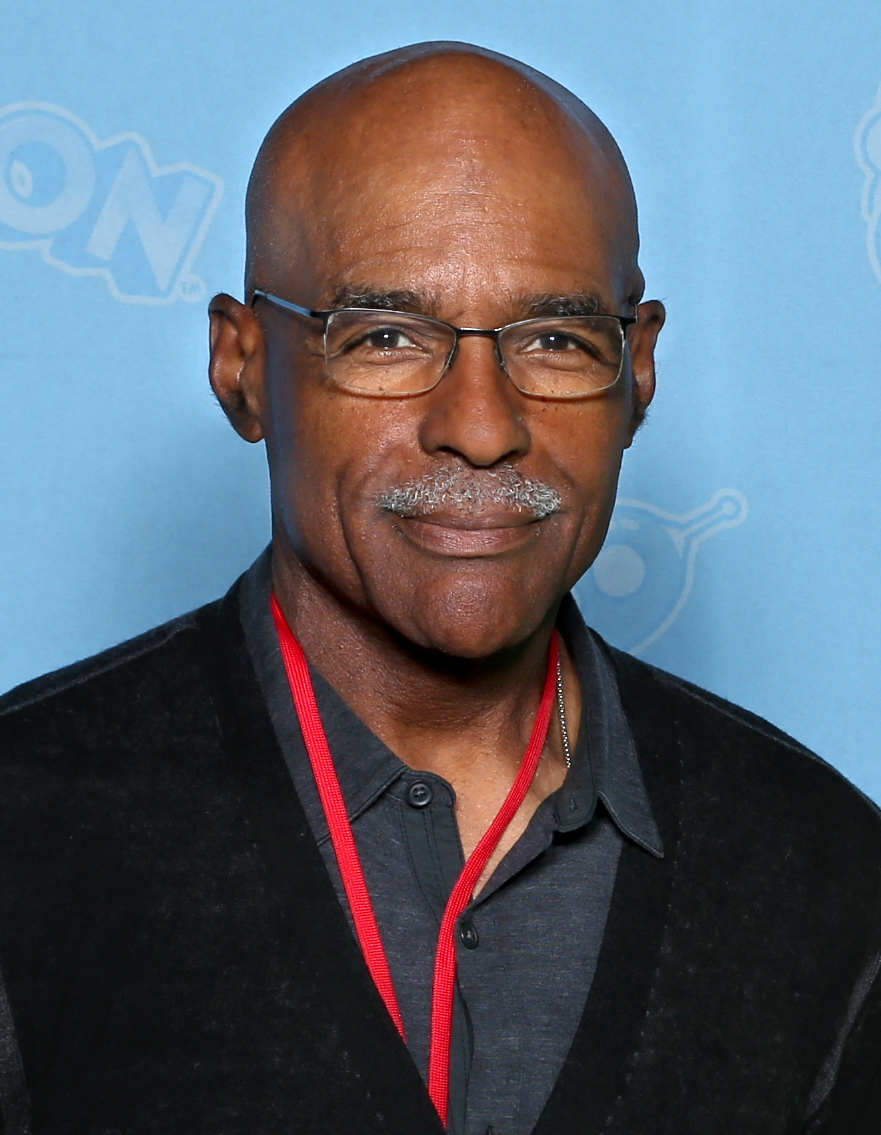
Photo: Michael Dorn at GalaxyCon Richmond (2019) by Super Festivals, via Wikimedia Commons, CC BY 2.0. License.

Sources: Michael Dorn’s 2015 AMA transcript; ComicBook.com interview on Worf’s spirituality as a character.

What Is Chevy Chase’s Religion? Is He a Christian?

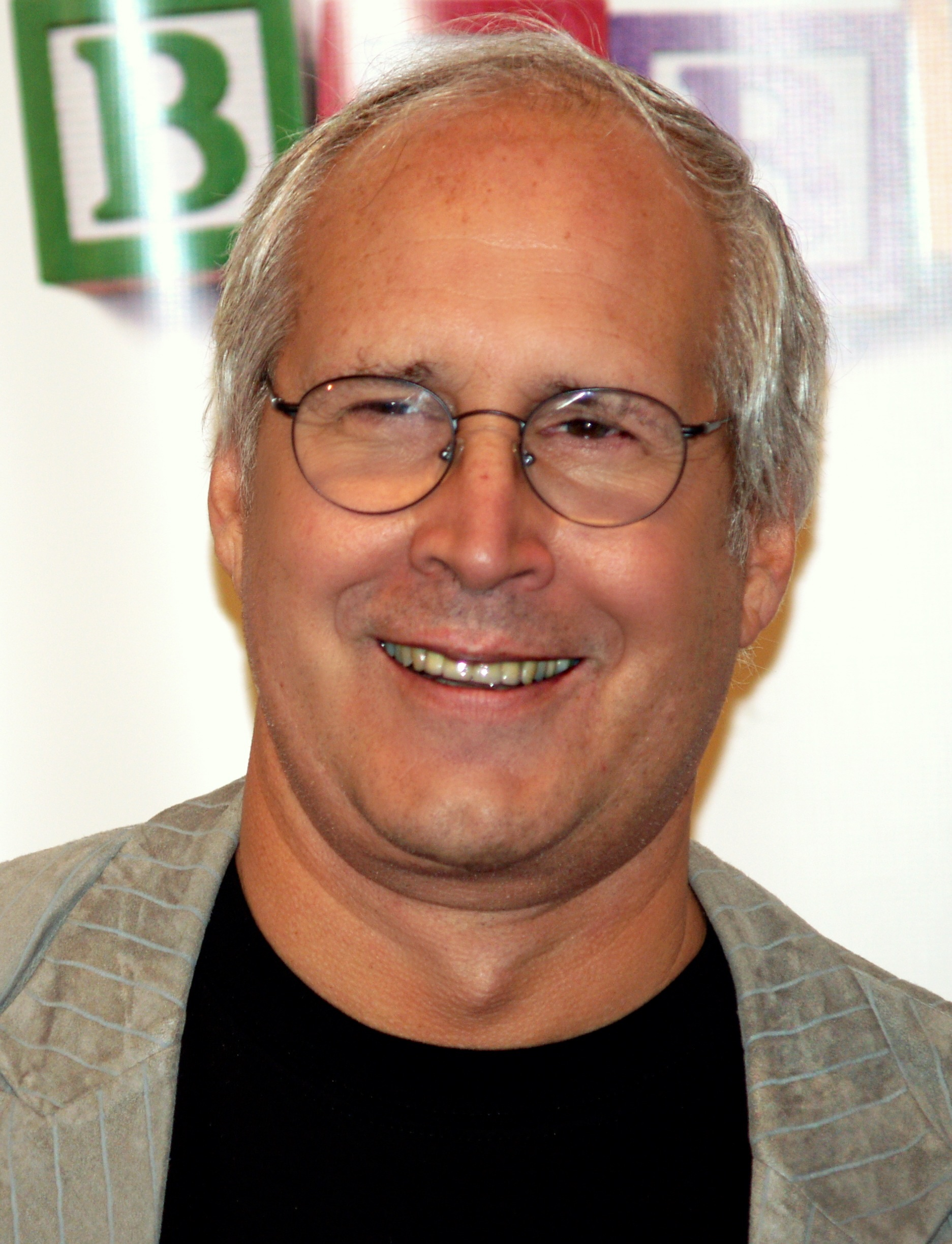
Chevy Chase at the 2008 Tribeca Film Festival

Chevy Chase is widely known for his work in comedy and film. Public success, however, does not make a person’s inner life public. This article separates what reliable sources say from what remains private.

What religion is Chevy Chase?

There is no strong, reliable public record that clearly identifies Chevy Chase’s present religion. Some online references mention possible family backgrounds, but that is not enough to make a firm claim about his faith.

Is Chevy Chase a Christian?

His faith is not publicly confirmed, so we should not label him Christian or otherwise. Only God knows the heart. A family background, a public interest in religion, or a label in a profile cannot tell us whether someone trusts Jesus Christ.

What Christians can remember

The gospel is good news for every person. We are saved by God’s grace through faith in Jesus, not by fame, work, background, or public reputation (Ephesians 2:8–9). We can pray for Chevy Chase with kindness and let God be the Judge.

Sources

Image credit: Chevy Chase at the 2008 Tribeca Film Festival, photo by David Shankbone, CC BY 3.0, via Wikimedia Commons source.

What Is Brent Spiner’s Religion? Is He a Christian?

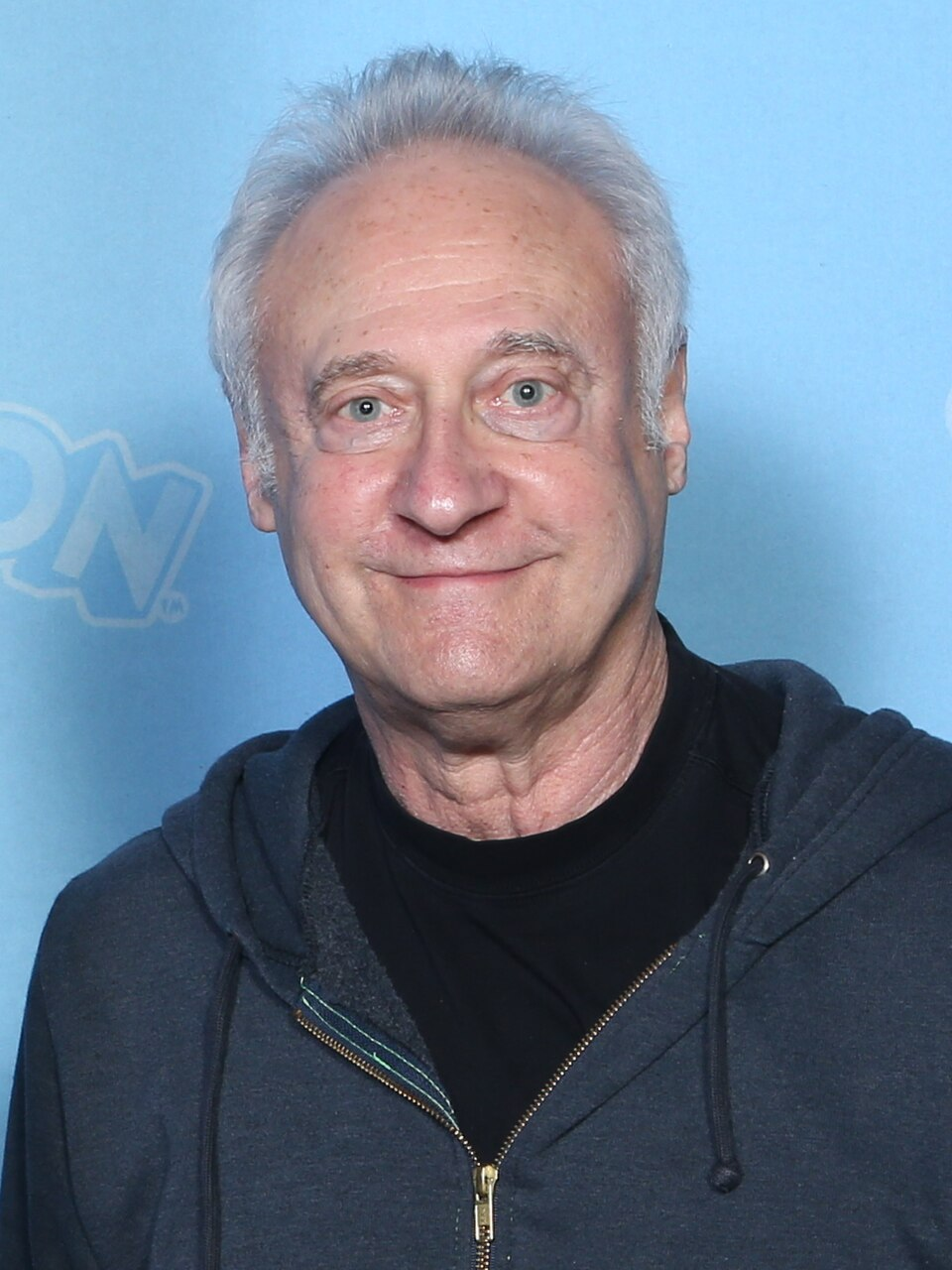
Brent Spiner portrait

Brent Spiner is known to many Star Trek fans through the android Data on Star Trek: The Next Generation. A familiar role can make people curious about the person behind it. Some readers ask whether Brent Spiner is a Christian. That is a fair question to research, but it needs a careful answer based on what Brent Spiner has actually said in public.

What can we verify about Brent Spiner?

Spiner grew up in Texas and is closely identified with Data, a character whose questions about humanity made him central to the series. In a Vanity Fair interview about his book Fan Fiction, Spiner spoke plainly about his Jewish upbringing and his Texas upbringing. Asked what it was like to grow up as a Texas Jew, he answered with humor: “The same as anywhere but with more barbecue.”

Career facts are useful, but they are not the same thing as a person’s faith. An actor can portray a doctor, counselor, android, captain, or spiritual character without sharing that character’s beliefs. Fans also should not assume that the views of a franchise, a writer, a co-star, or a family member belong to Brent Spiner. Each person deserves to be described by his or her own documented words.

Is Brent Spiner a Christian?

Spiner’s Jewish upbringing is a documented part of his background. However, a person’s religious or cultural upbringing does not by itself tell us his present beliefs, how he understands God, or whether he trusts Jesus Christ. I could not verify a public statement in which Spiner identifies himself as a Christian. It would be wrong to erase his Jewish background, and it would be just as wrong to add a Christian label that he has not publicly claimed.

That answer may feel less certain than a quick online label. Still, careful uncertainty is better than confident guessing. Only God sees the heart. Public interviews can tell us what a person has chosen to say, but they cannot give us authority to pronounce a final verdict on anyone’s soul.

Why details matter

Words such as faith, spiritual, Christian, Jewish, secular, or religious can mean different things to different people. They should not be treated as shortcuts. Biblical Christianity is not simply admiring Jesus, being moral, belonging to a religious culture, or using spiritual language. Christians trust that Jesus Christ is the Son of God who died for sinners and rose again. That message deserves to be heard clearly, with kindness and honesty.

It is good to listen to public comments in their full setting. It is also good to be humble when the evidence is limited. We can acknowledge a person’s accomplishments and humanity without turning a celebrity article into either praise or attack. The purpose here is not to win an argument about Brent Spiner. It is to point readers toward the far more important question of who Jesus is.

What the gospel says

The Bible says that every one of us has sinned and falls short of God’s glory (Romans 3:23–24). God did not leave us without hope. Jesus Christ came into the world, died for sins, and rose again. The apostle Paul calls this good news “of first importance” (1 Corinthians 15:3–4). This is not merely a general idea that a higher power may exist. It is the historical Christian claim about Jesus.

Jesus calls people to repent and believe the good news (Mark 1:14–15). To repent is to turn from sin and from trusting ourselves. To believe is to trust Jesus Christ—his death and resurrection—for forgiveness and new life. The Gospel of John was written so readers could consider this testimony and believe that Jesus is the Christ (John 20:30–31).

A personal question

You may have arrived here looking for a short answer about Brent Spiner. Please do not let the search end there. Whether a celebrity has spoken clearly about faith or not, you still have to answer Jesus’ call for yourself. Read one of the Gospels, examine what it says about Christ, and ask God for mercy. Do not put off turning from sin and trusting in Jesus Christ. He receives those who come to him in faith.

Photo: Brent Spiner at GalaxyCon Richmond (2022) by Super Festivals, via Wikimedia Commons, CC BY 2.0. License.

Sources: Vanity Fair interview with Spiner about his Jewish and Texas upbringing.