Was Ronny Hallin a Christian?
Ronny Hallin’s personal religious beliefs were not clearly established in the reliable public sources reviewed for this profile. No verified statement from her was found that explained whether she identified as Christian, followed another religion, or held no religious belief. An honest answer must leave that question open.
The television producer and casting professional died on October 27, 2026, at age 88, according to the Television Academy’s biographical record. Her career was documented more fully than her faith. Limited public information should not be turned into a confident religious label.
Her Work Helped Familiar Shows Take Shape
The Television Academy recorded Hallin’s work with her brother Garry Marshall on Happy Days, Laverne & Shirley, and Joanie Loves Chachi. Her credits also included producing work on The Hogan Family, Perfect Strangers, and Family Matters, along with casting work on Mork & Mindy.
Her work extended to the stage. The Internet Broadway Database credited her among the original producers of the Happy Days musical at the Falcon Theatre in Burbank. The show later toured in 2008–2009.
Those credits established a career that helped other performers and productions reach an audience. They did not establish a church affiliation or tell readers what she believed about Jesus.
The Bible Values Work Beyond the Spotlight
Hallin’s work offers a useful starting point for a biblical reflection on recognition. Viewers may remember the actors whose faces appear on screen while knowing little about those who help a production happen. Visibility and value are different things.
In 1 Corinthians 12:14–26, Paul describes the church as a body with many parts. The parts that seem less impressive are still necessary. His point concerns believers serving together, not the entertainment industry. Yet the passage challenges the habit of treating public attention as the measure of a person’s worth.
Christians can apply that lesson by thanking people whose work they often overlook. Helping, organizing, and supporting others can matter even when a crowd never learns the worker’s name. This is a reflection for readers, not a claim that Hallin herself explained her work in these terms.
Family Connections Do Not Settle Personal Faith
A family’s background can help explain someone’s childhood, but it cannot answer every question about adult belief. The religion of a parent or sibling does not automatically become another person’s own confession. Neither a surname nor a career built with relatives can fill that gap.
John 1:12–13 describes becoming a child of God through receiving Christ and believing in his name. It does not present spiritual life as something inherited through family status. That teaching directs readers toward their own response to Jesus rather than toward guesses about a public figure’s relatives.
Service, Humility, and What God Sees
Jesus teaches that greatness among his followers involves serving others (Mark 10:42–45). This overturns the idea that influence should mainly be used to win praise. Christian service aims at another person’s good.
A job behind the scenes does not automatically prove humility, just as a visible job does not automatically prove pride. Motives matter, and the public cannot inspect another person’s heart. 1 Samuel 16:7 reminds readers that God sees more than outward appearances.
Hallin’s professional contribution can be remembered without inventing a spiritual testimony for her. Respect includes letting the evidence remain as limited as it is.
The Gospel and the Limits of This Profile
Christianity’s central claim concerns Jesus Christ, God’s Son, who became human and lived without sin. All people have sinned and need God’s forgiveness. Jesus died on the cross for our sins and rose bodily from the dead (John 1:1–14; Hebrews 4:15; Romans 3:23; 1 Corinthians 15:3–4).
Salvation is a gift of grace received through faith in Christ. It cannot be earned through career success, family ties, or helpful work. Jesus calls people to repent, turning from sin, and believe in him. Good works then become part of a life shaped by grace (Ephesians 2:8–10; Mark 1:15).
That is the Christian message used here for comparison. It should not be presented as Hallin’s own recorded testimony. Her personal religion remained unconfirmed in the available evidence, and this profile makes no declaration about her eternal destiny.
Sources
- Television Academy: Ronny Hallin biography, career credits, and October 27, 2026, death date.
- Internet Broadway Database: Hallin’s production credit for Happy Days.
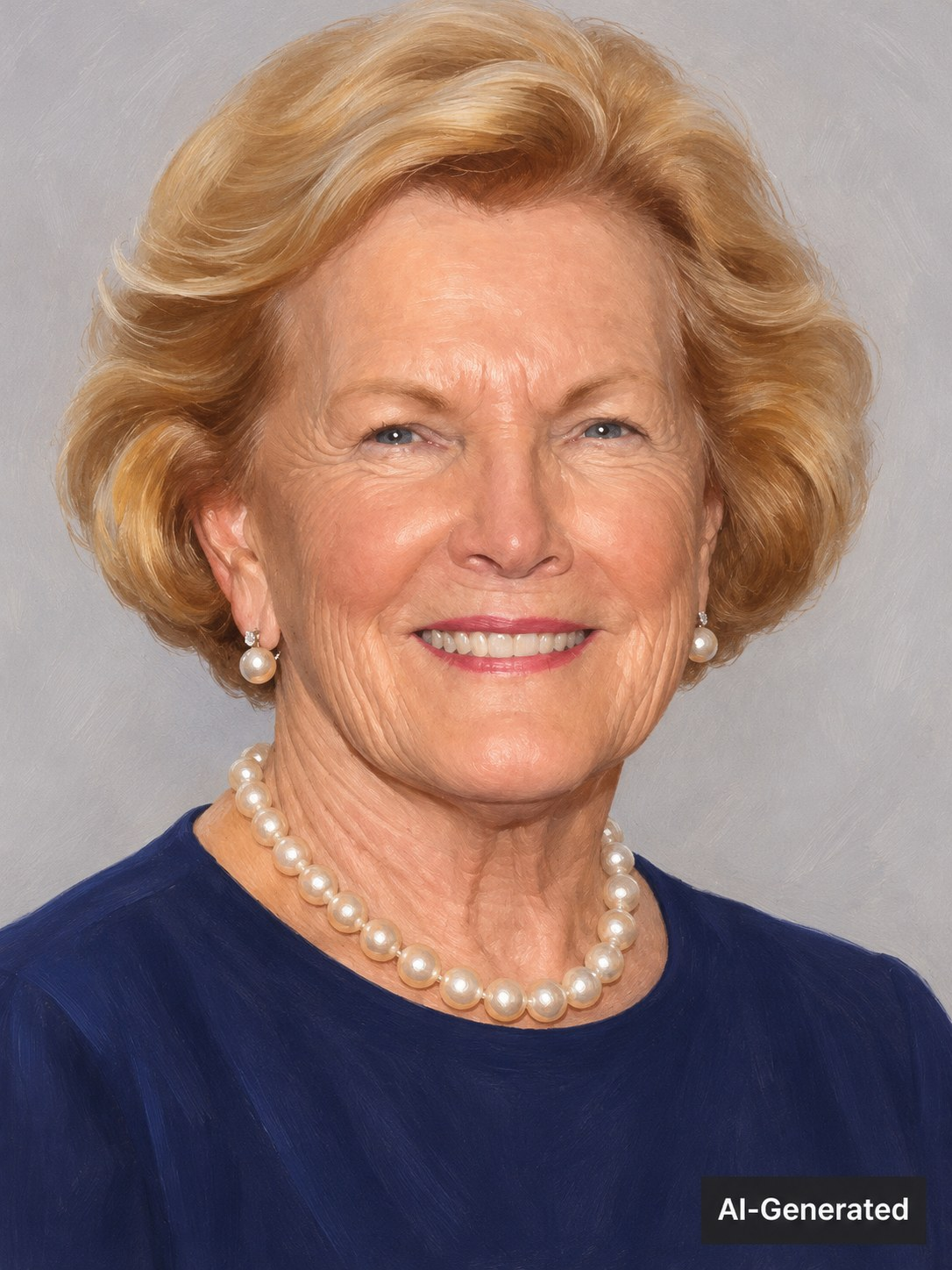
Image: AI-generated illustrative portrait of Ronny Hallin. This is not an authentic photograph. The image is visibly labeled AI-Generated.