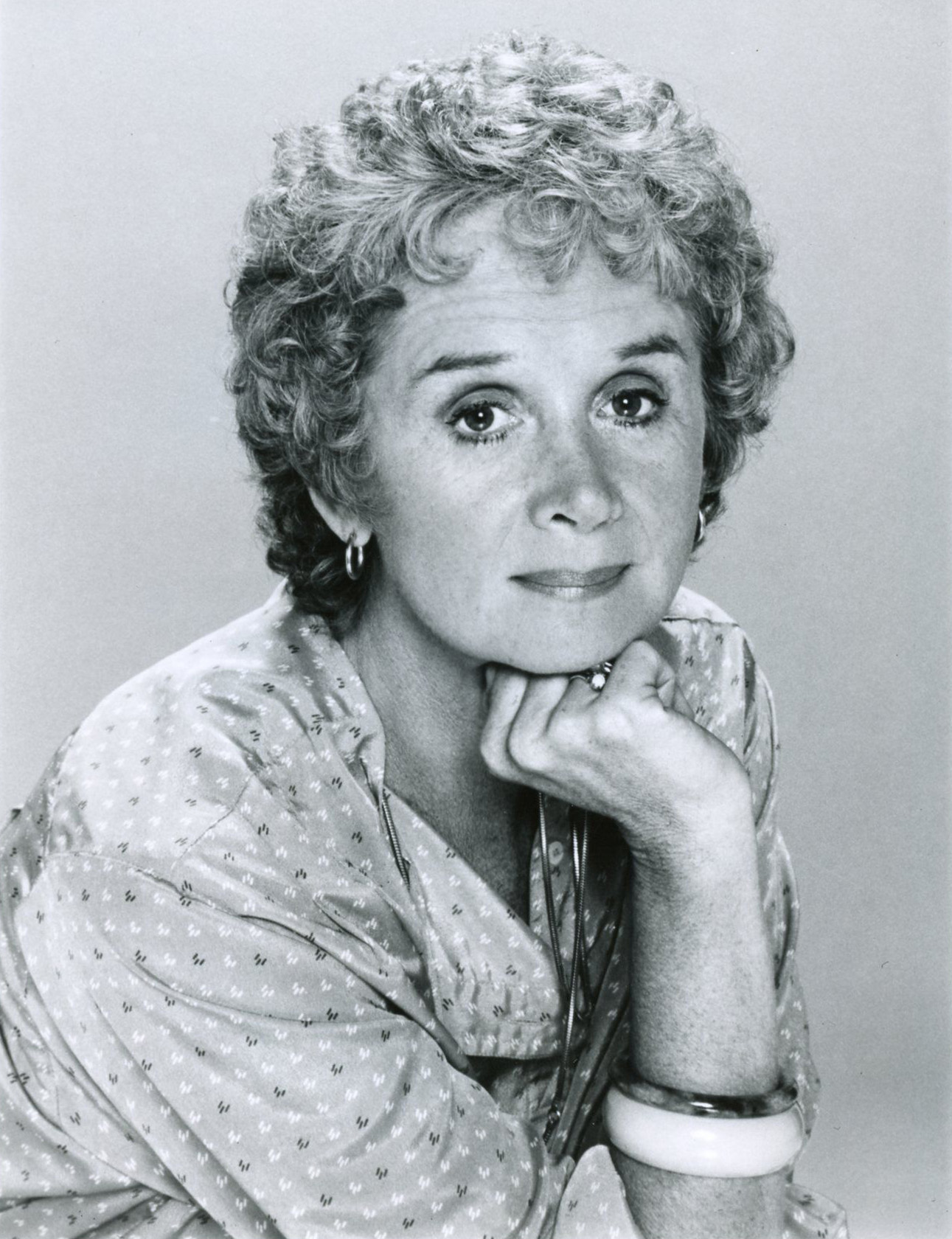
Barbara Barrie had publicly described her Jewish background. In a PBS interview released on June 3, 2024, she recalled being “a Jewish girl” in a school where most students were not Jewish. That was her own account of identity and upbringing. The sources reviewed here did not establish a public conversion to Christianity or a detailed statement of her later religious practice.
Barrie, remembered for Barney Miller, Breaking Away, and Broadway’s Company, died on October 28, 2026, at 95. The Television Academy recorded her death and career.
What did Barbara Barrie say about her Jewish background?
Barrie’s comments to PBS placed Jewish identity within her memories of growing up and finding a place among others. They did not depend on a guess about her surname or a role she played.
A March 3, 2017 Observer interview and profile described her family’s Orthodox Jewish background and their move to Texas. It also connected those family experiences with her book Lone Star. That documented family history, but it did not prove that Barrie personally followed every Orthodox belief or practice throughout adulthood.
Religious heritage, cultural identity, and personal convictions can overlap. Reporting them accurately means noticing which question a source actually answers.
How did acting give her a sense of belonging?
In the PBS conversation, Barrie recalled a drama teacher in Corpus Christi who encouraged her. Joining the theater group helped her feel that she belonged. She later studied at the University of Texas and trained with acting teacher Uta Hagen.
Barrie described acting as a way to communicate and connect with an audience. She also spoke about learning to set ego aside and pay attention to the person she was portraying. Her account emphasized patience, study, and human connection rather than instant success.
Those comments help explain her approach to her craft. They should not be turned into a religious testimony she did not give. We can value a person’s work and still be careful about what it tells us.
Was she a professing Christian?
The reliable sources cited here did not provide a clear Christian profession from Barrie. Her Jewish background was documented; her beliefs about Jesus were not explained in these interviews. The honest answer is limited by that evidence.
That does not give us permission to invent a private conversion or to announce what she believed in her final moments. It also does not reduce a person’s faith to ancestry. A Christian profession is a personal claim about Jesus Christ, not a conclusion we can draw from family roots, acting credits, or a funeral.
What does the Bible teach about belonging?
Barrie’s memory of finding a group through theater raises a question many readers understand: where can someone belong without pretending to be someone else?
Christian teaching points to reconciliation through Jesus. Ephesians 2:14–18 describes Christ bringing Jewish and non-Jewish believers into peace with God and with one another. Galatians 3:28 teaches equal standing in Christ across social and ethnic divisions. These passages do not invite contempt for Jewish people or erase the value of family history.
They also challenge Christian communities to welcome people without favoritism. James 2:1–4 warns against treating the wealthy as more valuable than the poor. A person’s worth is not measured by fame, income, or how easily that person fits into a group.
Can creativity and kindness make us right with God?
Art can help people listen, understand, and care. Scripture likewise calls us to be quick to listen and slow to speak (James 1:19). Patient attention to another person is valuable, whether it happens in a conversation or while learning a story.
Yet Christianity does not teach that talent, kindness, or cultural belonging can remove sin. Romans 3:23 says that everyone has fallen short of God’s glory. That includes religious and nonreligious people alike. We need mercy, not a comparison in which we declare ourselves better than someone else.
What hope does the Christian gospel offer?
The gospel declares that Jesus is God’s Son, who became human and lived a sinless life (John 1:14; Hebrews 4:15). He died on the cross for our sins and rose again (1 Corinthians 15:3–4). His resurrection is central to Christian hope beyond death.
Salvation comes by grace through faith, rather than by earning a place with God (Ephesians 2:8–9). Jesus calls people to repent, turning from sin, and believe the good news (Mark 1:15).
This is the Bible’s message, not a claim about Barrie’s final spiritual condition. We can remember her life respectfully, describe her public identity honestly, and ask where our own hope rests.
Sources
- PBS, How Art Changed Me: Barbara Barrie, interview and transcript, June 3, 2024.
- Observer: Harry Haun’s interview and profile of Barbara Barrie, March 3, 2017.
- Television Academy: Barbara Barrie biography and October 28, 2026 death record.
Photo: ABC Television. Wikimedia Commons; Public domain in the United States — defective notice, no timely registration.
