
Desperate Housewives turns a tidy suburban street into a place where appearances rarely tell the whole story. Behind the houses and friendly greetings are marriages under strain, old wounds, hidden choices, and neighbors who need one another more than they first admit. Its mix of comedy, mystery, and domestic drama gives viewers plenty to discuss—and gives us a useful opening to consider truth, sin, mercy, and the hope offered in Jesus Christ.
This FamousFaith hub brings together 20 cast profiles. Each article begins with what can responsibly be said about the performer’s own beliefs. An actor’s religion is not determined by a character, and an uncertain public record stays uncertain. Use the portraits below to explore the people behind Wisteria Lane.
Appreciating the creativity behind Wisteria Lane
The ABC series ran from 2004 to 2012. Its distinctive approach joins ordinary household pressures to larger mysteries, while Mary Alice Young’s narration helps connect the stories. The ensemble’s timing lets a scene move from a sharp joke to a moment of loneliness or grief. That kind of storytelling depends on writers, actors, and many other people working together.
Creativity is a gift worth appreciating. A memorable performance can help us notice fears and contradictions we might overlook in ourselves. Appreciation does not require agreeing with every message a show presents. We can recognize skill while thinking carefully about what a story asks us to laugh at, excuse, or admire.
A perfect-looking life can still hide a troubled heart
One of the show’s strongest themes is the distance between a public appearance and a private reality. A beautiful home cannot guarantee a peaceful family. A polite smile can conceal anger. An impressive routine can become a way to avoid an uncomfortable truth. The suburb is fictional, but that temptation is familiar.
Scripture makes the point more deeply. First Samuel 16:7 teaches that God sees the heart. We may hide something from a neighbor, but we cannot hide it from Him. This should make us more honest about ourselves and less eager to assume that we understand someone else’s entire life from a glimpse.
The answer is not to replace a respectable image with public oversharing. It is to come honestly before God. He already knows our record, our motives, and the things we hoped nobody would notice.
Friendship and marriage need more than clever survival
Stories about neighbors can remind us of the good in shared burdens. Listening, bringing a meal, checking on someone who is isolated, and keeping a promise all have value. Jesus’ command to love our neighbors reaches beyond people whose lives look comfortable or whose choices are easy for us to understand.
The Bible also honors marriage and faithful love. At the same time, it rejects adultery, deceit, revenge, and treating another person as a means to our own happiness. A story may make a destructive choice seem glamorous, comic, or understandable. Understanding a temptation does not make yielding to it harmless.
Christians can watch with discernment: what consequences are shown, what wrongs are minimized, and what kind of love is being offered as the answer? These questions help us think instead of simply absorbing the mood of a scene. The series contains mature material; readers should use judgment about viewing it.
The narrator’s perspective is a storytelling device
Mary Alice’s narration gives the audience knowledge that the characters do not share. It works as a dramatic frame, but it is not a reliable guide to the afterlife. A fictional voice speaking after death should not become the basis for what we believe about eternity.
The Bible directs our hope to God’s revelation, not to an appealing television picture. Hebrews 9:27 speaks of death and judgment. That makes our relationship with God a present question. We need more than the hope that our story will sound sympathetic when someone else tells it.
God’s law exposes a need every neighbor shares
It is easy to spot wrongdoing in a dramatic plot and miss it in our own homes. The Ten Commandments bring the issue back to us. Have we lied, stolen, coveted, dishonored our parents, or used God’s name carelessly? Have we loved the Lord above our possessions, comfort, and reputation?
Jesus also addresses anger and lust in Matthew 5. Sin reaches beneath the surface of public behavior. Romans 3:23 says all have sinned and fall short of God’s glory. The reader, writer, and cast members all need mercy. We cannot earn innocence by comparing ourselves with a fictional villain, and good deeds cannot erase a guilty past.
Grace is more than another chance to manage the image
The Gospel is good news because God has provided a Savior. Jesus Christ is the eternal Son of God who became truly human. He lived without sin and perfectly obeyed the Father. He willingly died on the cross for our sins, bearing the judgment we deserve. He was buried and rose bodily from the dead on the third day.
Salvation is God’s gift by grace through faith, not a reward for our works (Ephesians 2:8–9). A religious family, a good reputation, or an improved routine cannot save us. Christ’s finished work is sufficient. You can acknowledge your sin before God and trust the crucified and risen Jesus as your only hope of forgiveness and eternal life.
That is a hope deeper than keeping a secret safe or finding a happier ending on Wisteria Lane. The living Savior offers real reconciliation with God. Explore the cast profiles below, and let the questions about other people’s beliefs lead you to consider your own response to Him.
Explore all 20 cast profiles
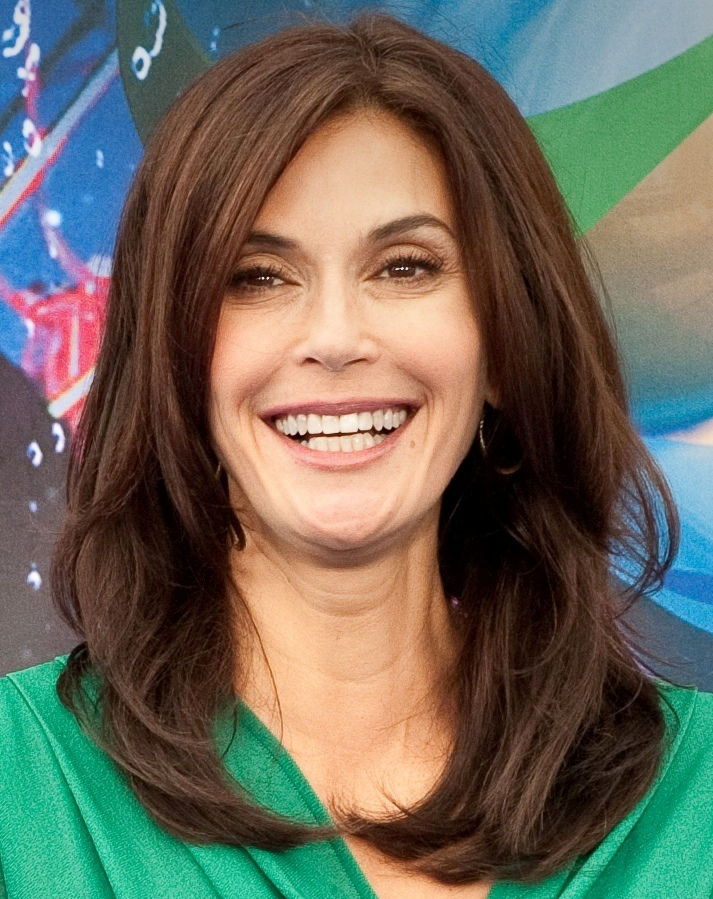
Susan Mayer / Delfino
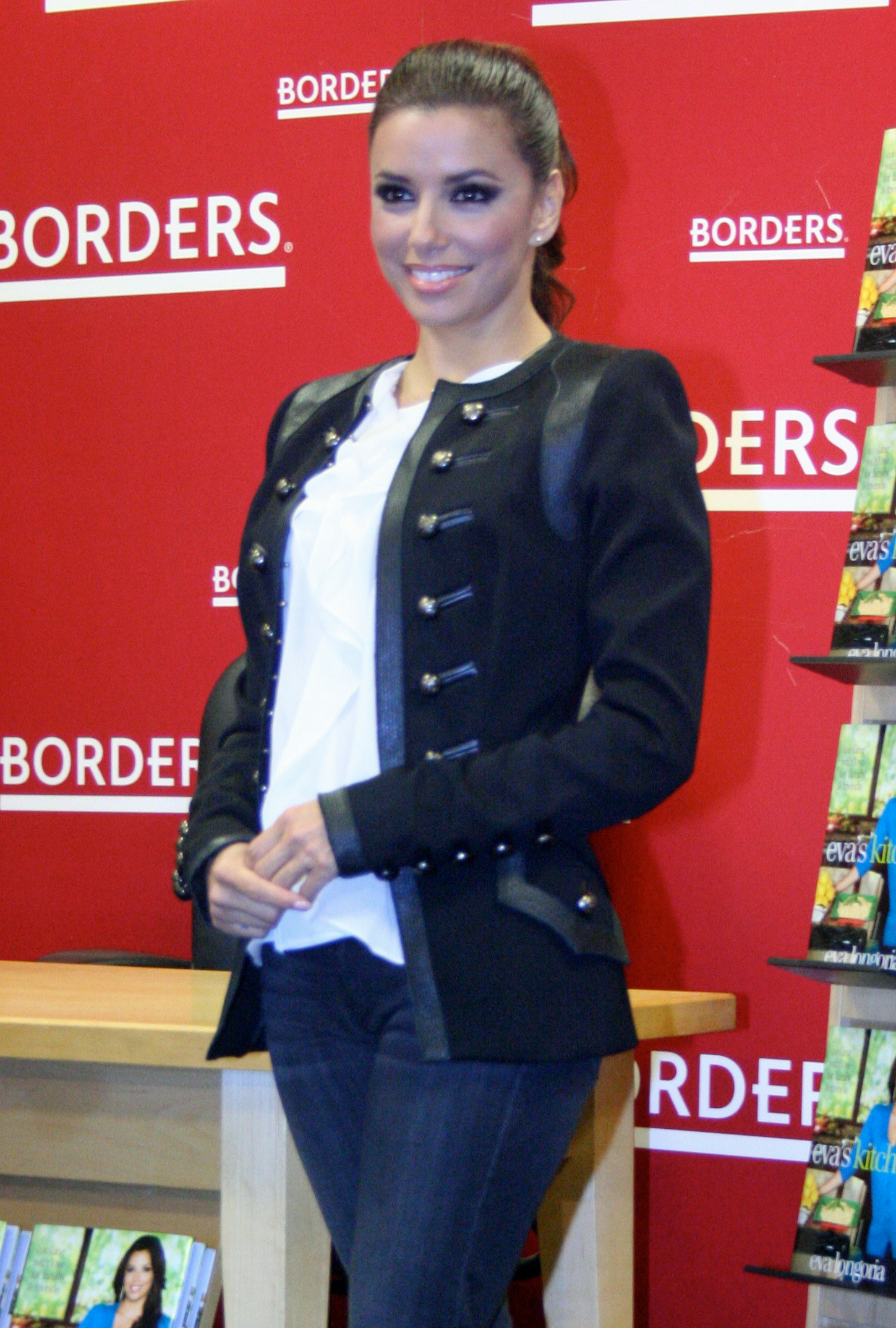
Gabrielle Solis
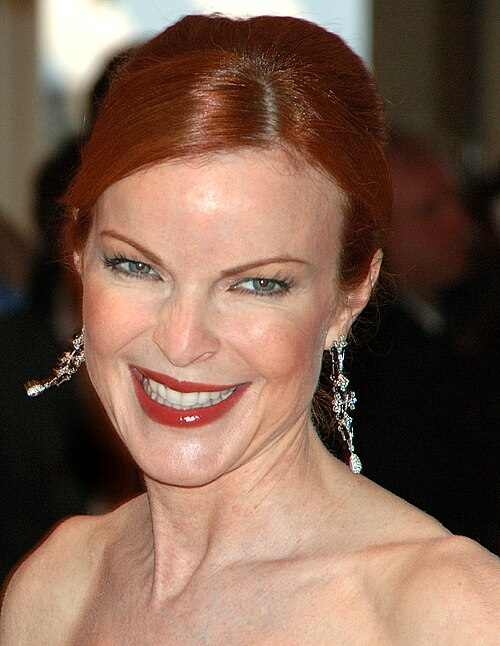
Bree Van de Kamp / Hodge
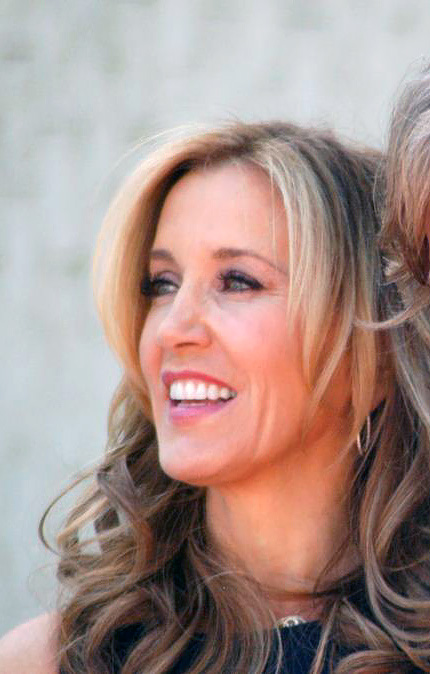
Lynette Scavo

Edie Britt
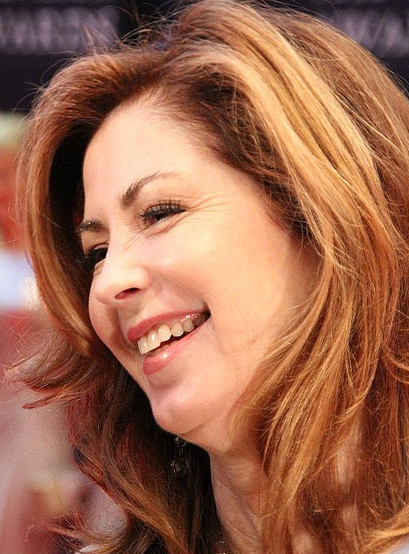
Katherine Mayfair
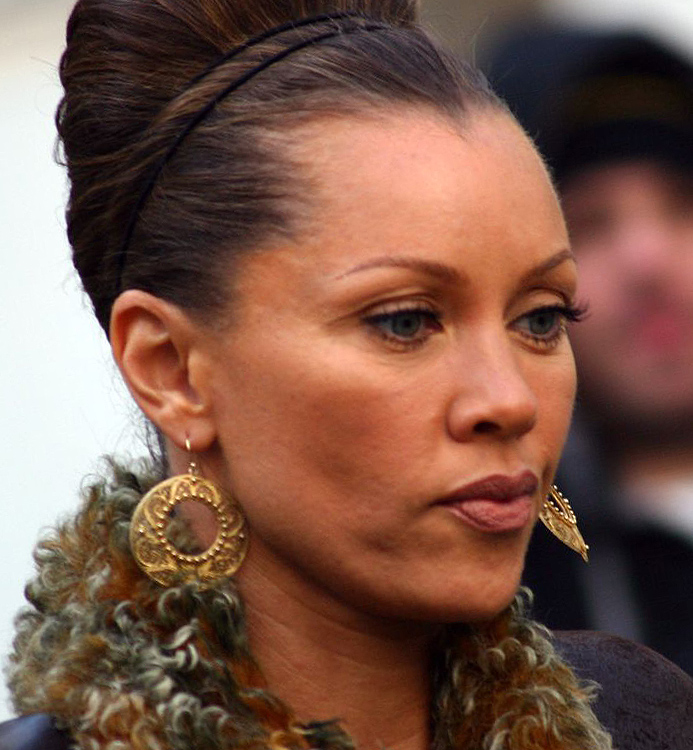
Renee Perry
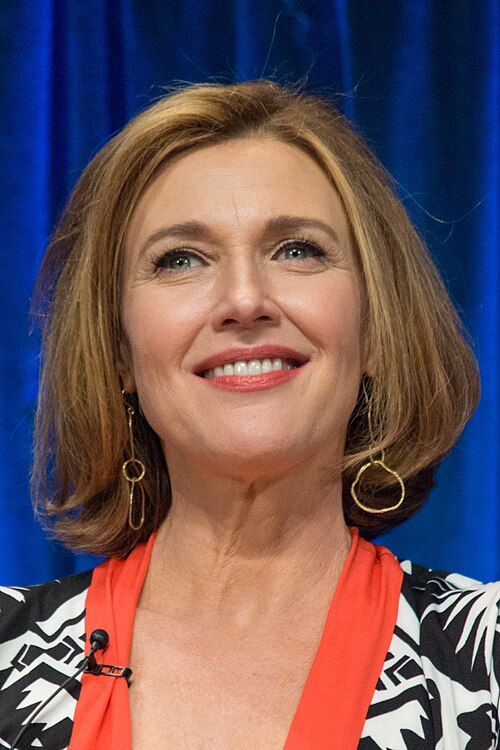
Mary Alice Young
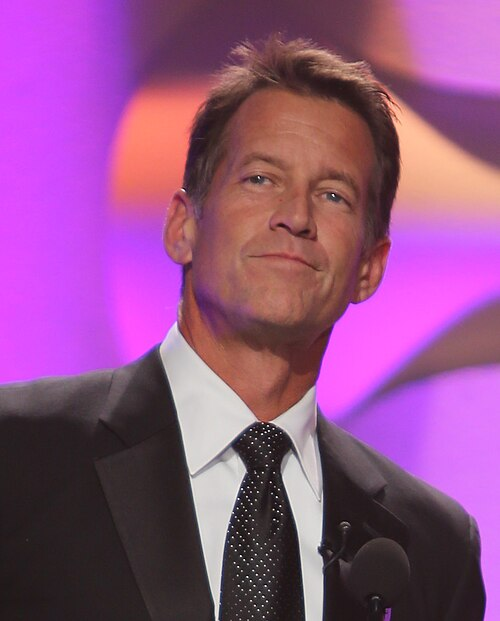
Mike Delfino
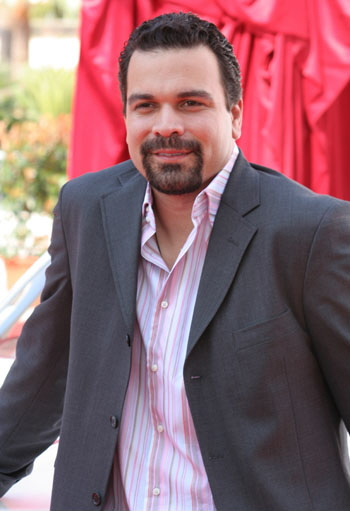
Carlos Solis

Tom Scavo

Orson Hodge
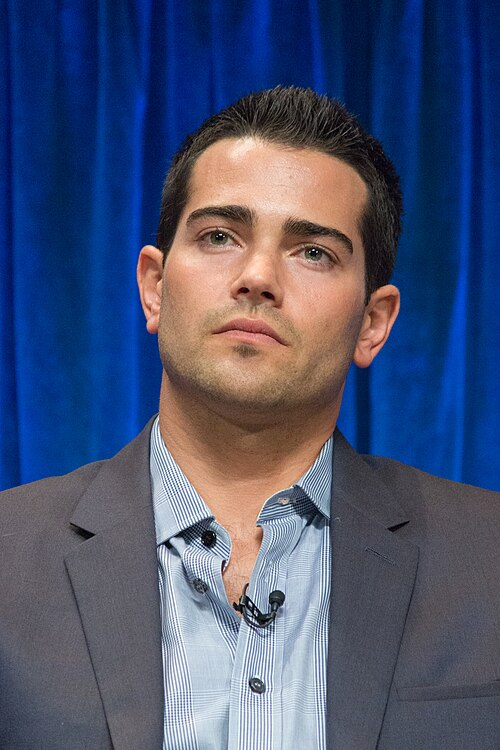
John Rowland
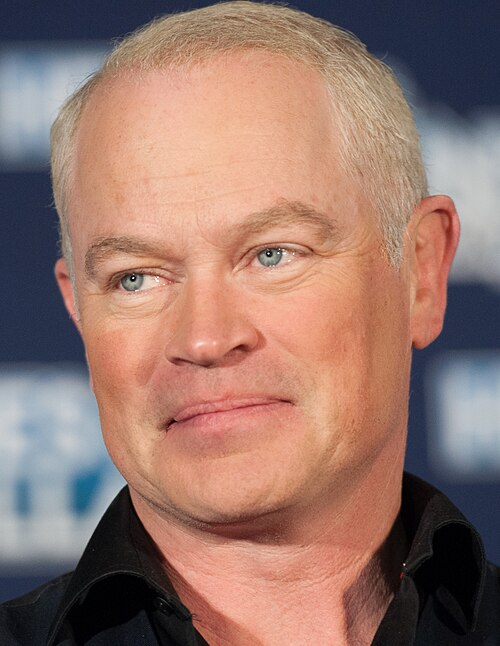
Dave Williams
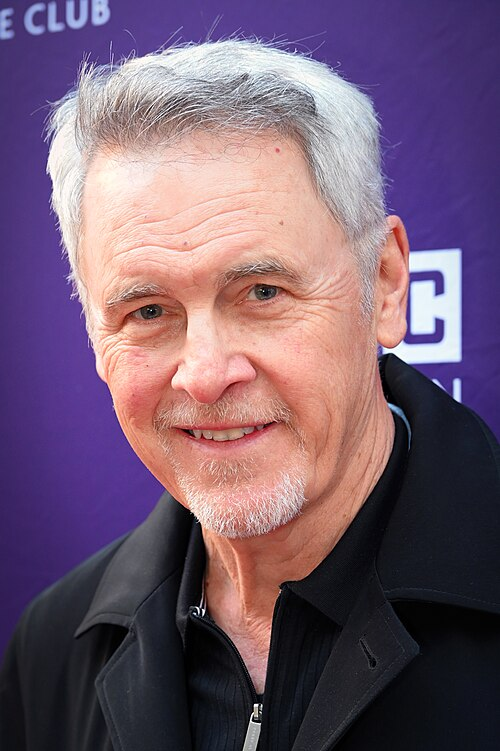
Paul Young

Rex Van de Kamp
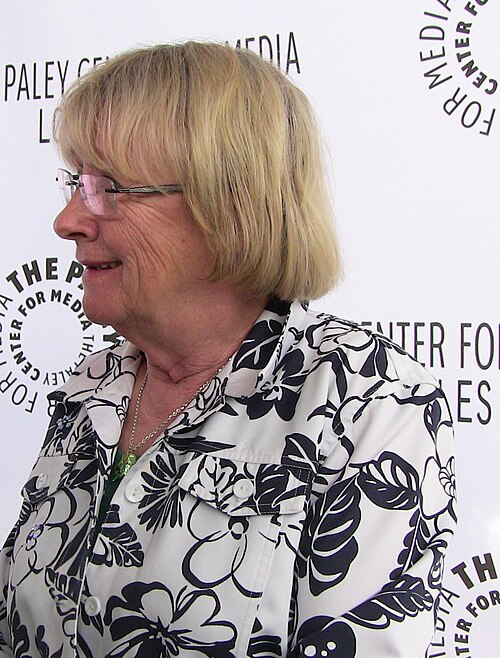
Karen McCluskey
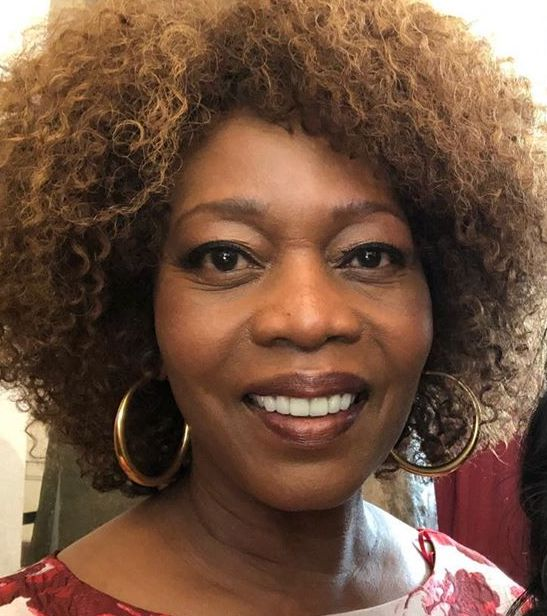
Betty Applewhite
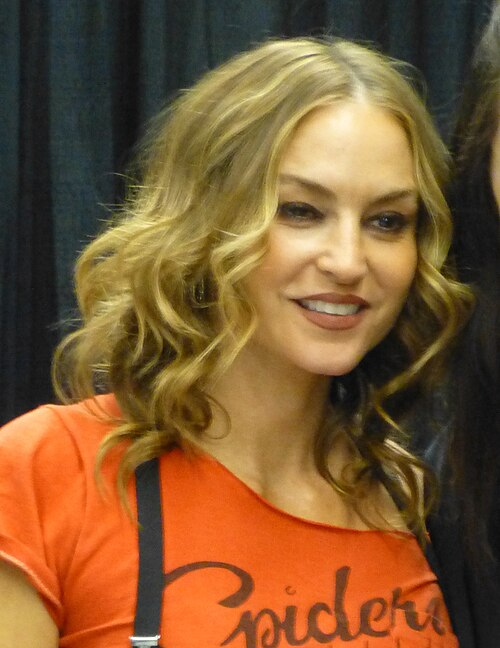
Angie Bolen

Julie Mayer
Sources and image credits
- Disney D23: series overview and original broadcast dates.
- Cast and character reference. Sources for each person’s beliefs appear in their linked profile.
Featured logo: ABC, via Wikimedia Commons. Public-domain text logo; trademarks belong to their respective owners. Used to identify the series; no affiliation or endorsement implied. Wikimedia’s web-sized version.

Cast portraits are reused from the linked FamousFaith profiles. Credits and licenses follow; no additional image-file changes were made for this gallery.
Photo: hyku, Teri Hatcher at the World of Color premiere, June 10, 2010, CC BY-SA 2.0. Used as supplied.

Photo: Joella Marano, Eva Longoria at a book signing, April 4, 2011, CC BY 2.0. Used as supplied.

Photo: Kirk Weaver, Marcia Cross, April 2008, CC BY 3.0. Wikimedia Commons web-sized version.

Photo: Angela George, Felicity Huffman at her Hollywood Walk of Fame ceremony, March 7, 2012, CC BY-SA 3.0. Portrait crop supplied by Wikimedia Commons.

Photo: Pete Williams, Nicollette Sheridan, March 2008, CC BY-SA 2.0. Portrait crop supplied by Wikimedia Commons.

Photo: Jonathan Ryan, Dana Delany at the Irish Awards, February 11, 2012, CC BY 2.0. Portrait crop supplied by Wikimedia Commons.

Photo: Christopher Peterson, Vanessa Williams in Bryant Park, February 9, 2007, CC BY-SA 4.0. Portrait crop supplied by Wikimedia Commons.

Photo: iDominick, Brenda Strong at PaleyFest, March 10, 2013, CC BY-SA 2.0. Wikimedia Commons web-sized version.

Photo: State Farm, James Denton at the 2014 Hero Dog Awards, CC BY 2.0. Wikimedia Commons portrait crop, web-sized version.

Photo: Philippe Baledent / Biosstars, uploaded by Wames, Ricardo Chavira at Monte-Carlo, CC BY 2.5. Used as supplied.

Photo: Kristin Dos Santos, Doug Savant at PaleyFest, April 18, 2009, CC BY-SA 2.0. Wikimedia Commons web-sized version.

Photo: Gage Skidmore, Kyle MacLachlan at San Diego Comic-Con, July 21, 2017, CC BY-SA 3.0. Wikimedia Commons web-sized version.

Featured image: Jesse Metcalfe at PaleyFest 2013, photograph by iDominick, via Wikimedia Commons, CC BY-SA 2.0. Wikimedia’s 500-pixel version; no other changes.

Featured image: Neal McDonough, 2016, by Heroes & Villains, via Wikimedia Commons, CC BY-SA 2.0. Existing Commons crop, 500-pixel version; no additional changes.

Featured image: Mark Moses, April 2026, by PhilipRomanoPhoto, via Wikimedia Commons, CC BY-SA 4.0. Wikimedia’s 500-pixel version; no other changes.

Featured image: Steven Culp portrait accompanying the linked myFanbase interview. Source: myFanbase. Small source thumbnail used unchanged for identification; copyright remains with its respective owner.
Featured image: Kathryn Joosten at PaleyFest, 2009, by Kristin Dos Santos, via Wikimedia Commons, CC BY-SA 2.0. Wikimedia’s 500-pixel version; no other changes.

Featured image: Alfre Woodard, 2019, Office of U.S. Representative Terri Sewell, via Wikimedia Commons. Public domain, U.S. Congress image. Existing Commons crop used unchanged.

Featured image: Drea de Matteo, February 2015, credited to Gabbot on Wikimedia Commons (Flickr source: Tony Shek), CC BY-SA 2.0. Existing Commons image, 500-pixel version; no additional changes.

Featured image: Andrea Bowen at the Annie Awards, photograph by John Mueller, commissioned for the Wikimedia Foundation, via Wikimedia Commons, CC BY 2.5. Used as supplied.
