
LOST begins with people stranded after a plane crash and grows into a story about trust, guilt, belonging, sacrifice, and death. Its mysteries are memorable, but so are the people trying to live with one another. This FamousFaith guide brings together all 24 cast profiles in our series and considers the show’s major themes through the Bible.
The actors have different public religious backgrounds and beliefs. Some have spoken directly about faith; others have not established a clear affiliation in the sources reviewed. Each linked profile explains the evidence and its limits, keeps the actor separate from the character, and presents the Gospel of Jesus Christ. Public statements do not give us access to anyone’s heart or final standing before God.
Spoiler note: the discussion below includes major themes and references to the series ending.
Is LOST a Christian show?
LOST uses Christian imagery alongside ideas and symbols drawn from other traditions. In a 2008 FanBolt interview, Damon Lindelof described using different kinds of religious allegory and aiming for broadly spiritual themes. That creative approach helps explain why viewers from different backgrounds find questions worth discussing in the series.
The presence of a cross, a priest, or a character named Christian does not make the whole story a presentation of biblical Christianity. Nor does a fictional character’s belief identify the religion of the performer. We can appreciate the questions while testing the answers against Scripture.
The Bible makes specific claims about the Creator, sin, judgment, and Jesus Christ. Those claims cannot be reduced to a general feeling that every spiritual path means the same thing. Respect for people with different beliefs should go together with honesty about real differences.
Jack, Locke, and the question of trust
Jack and Locke often give viewers contrasting ways of approaching the unknown. Jack wants explanations and control. Locke longs for purpose and is willing to see meaning in events others dismiss. Both perspectives can expose something recognizable in us: pride in our own understanding on one side, and the temptation to trust too quickly on the other.
Biblical faith is not a choice to stop thinking. Acts 17 shows Paul reasoning with his hearers and pointing to Jesus’ resurrection. First John 4:1 calls for testing spiritual claims. Confidence is valuable only when its object is trustworthy. Strong feelings about a leader, a sign, or a personal destiny cannot make a falsehood true.
At the same time, knowledge is not the same as total control. Human beings cannot see every consequence or answer every question. Christians are called to humility before God, whose wisdom exceeds ours. We need both honest inquiry and a willingness to hear truth that challenges our preferred plans.
Community can heal, and power can harm
The survivors need one another for food, shelter, protection, and encouragement. Their experience makes a simple truth vivid: isolation can leave people vulnerable. Galatians 6:2 calls believers to bear one another’s burdens. Sharing work, listening to grief, and helping someone who cannot repay us are concrete forms of love.
Yet LOST also portrays secrecy, manipulation, and leaders who defend harmful methods by appealing to a larger purpose. That behavior should not be excused merely because a group claims special knowledge. Romans 3:8 rejects doing evil so that good may result. A worthy goal does not turn lying, coercion, or cruelty into righteousness.
Jesus describes leadership in terms of service in Mark 10:42–45. His standard challenges families, workplaces, churches, and governments alike. People are neighbors to love, not disposable pieces in a plan. Loyalty to a leader never removes our responsibility to tell the truth and protect the vulnerable.
Can people escape the wrong they have done?
Many LOST characters carry shame, resentment, betrayal, or violence into their new surroundings. The island changes their circumstances without automatically changing their hearts. That is a useful picture of a common hope: perhaps a new job, new relationship, or new place will finally leave our old failures behind.
The Bible encourages real change, confession, and making amends where possible. But it does not teach that a fresh beginning makes past wrongdoing unreal. Forgiveness is meaningful precisely because harm matters. Trust may need time to rebuild, and mercy can coexist with accountability and appropriate boundaries.
God’s law reaches beneath the stories we tell to defend ourselves. The Ten Commandments forbid false witness, theft, adultery, murder, coveting, and giving anything God’s place. Jesus also exposes sinful anger and lust in the heart. Romans 3:23 says all have sinned. We may recognize a character’s guilt more easily than our own, but God’s standard applies to us too.
Sacrifice and the Savior we actually need
LOST includes costly acts of courage, especially when characters choose another person’s safety over their own. Christians can honor self-giving love while remembering that a fictional hero is not an exact substitute for Jesus. Human sacrifice within a story does not automatically explain the cross.
Jesus is God’s divine Son, not another flawed person seeking a way to redeem his own past. He became man and lived a sinless life. He willingly died on the cross as the substitute for sinners, bearing the judgment we deserve. He was buried and rose bodily from the dead. First Corinthians 15:3–4 puts these events at the center of the Gospel.
God is holy and just. We cannot erase guilt through good deeds, religious performance, family loyalty, or bravery. We need the forgiveness Christ provides. Salvation is God’s gift by grace through faith, not works, as Ephesians 2:8–9 teaches. We are invited to acknowledge our sin and trust Jesus’ finished work for forgiveness and eternal life.
What about the ending and life after death?
The final season’s flash-sideways story and the gathering at the end should be distinguished from the characters’ lives on the island. ABC News’s contemporary explanation emphasizes that the island events happened within the story; the characters did not all die in the original crash. The ending presents a fictional picture of reunion after death.
That image can express longing for reconciliation and people we have lost. It should not be treated as a biblical map of the afterlife. Scripture teaches judgment and locates eternal life in Jesus Christ. John 14:6 presents him as the way to the Father; Hebrews 9:27 speaks of death and judgment. Friendship, emotional closure, and spiritual imagery cannot replace reconciliation with God through the Savior.
The Christian hope is more than remembering each other or moving into an undefined light. It rests on the risen Christ, who conquered death and promises life to those who trust him. The show can open the conversation, but Jesus supplies the hope.
Meet the LOST cast
Choose a name or portrait below to read the full sourced profile. The order follows our LOST series, beginning with Matthew Fox and ending with Cynthia Watros. Read each account with its dates and limits in view; an unknown belief should remain unknown until sound evidence supports a clearer answer.
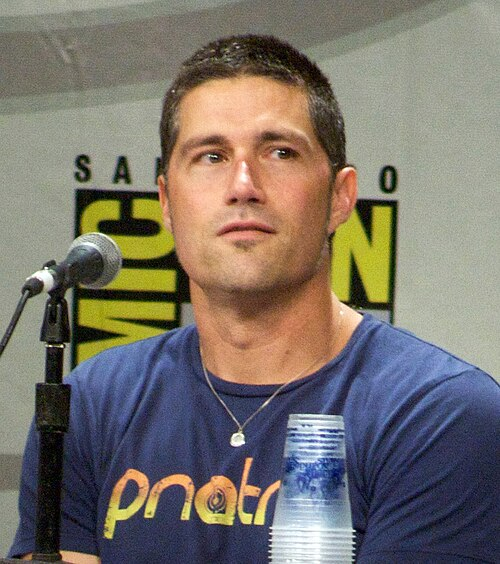 Matthew FoxJack Shephard
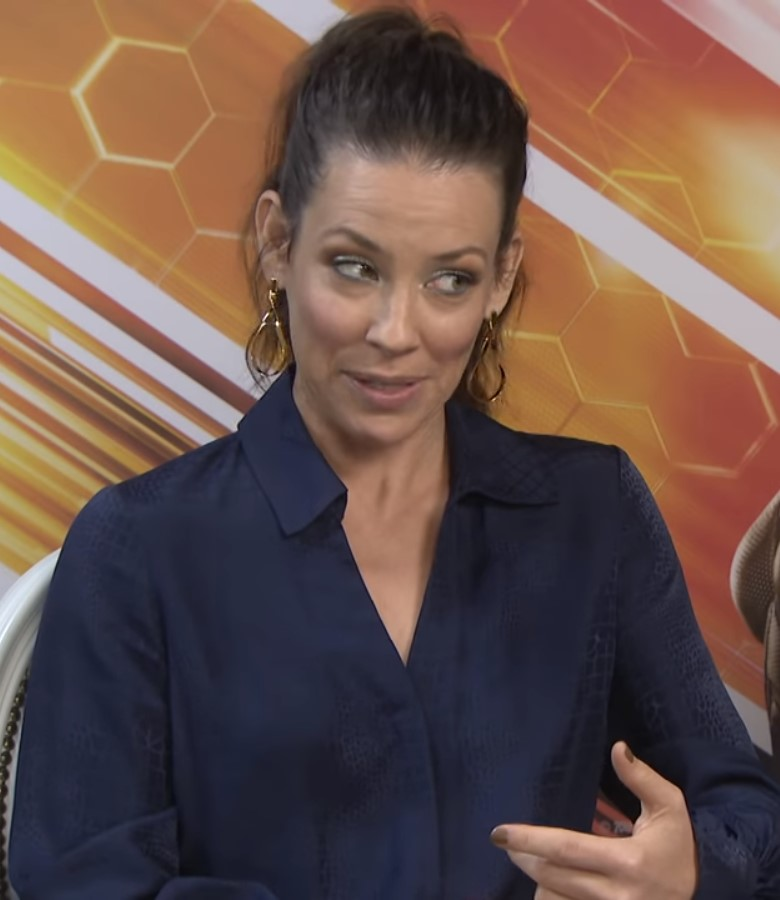 Evangeline LillyKate Austen
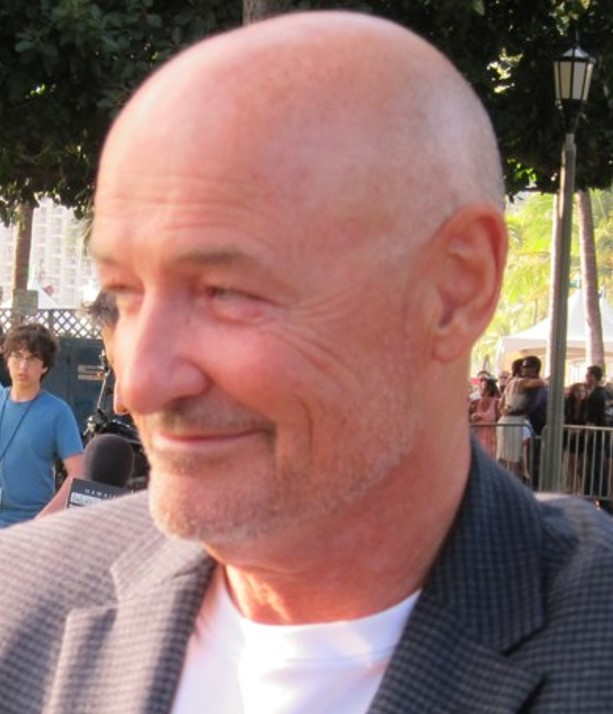 Terry O’QuinnJohn Locke
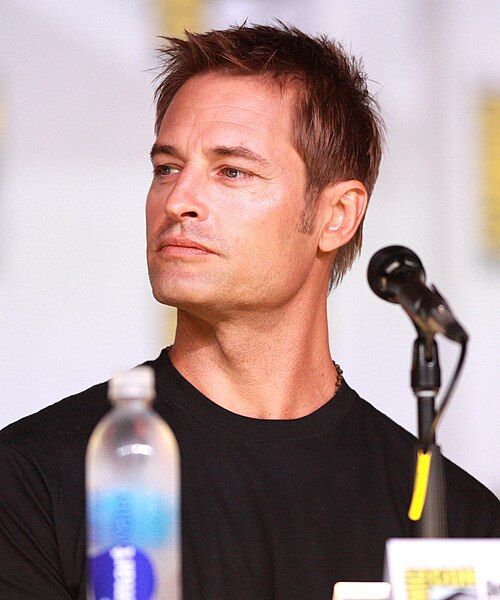 Josh HollowayJames “Sawyer” Ford
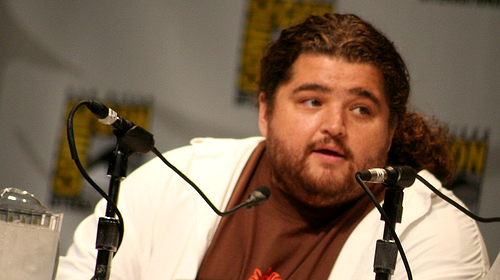 Jorge GarciaHugo “Hurley” Reyes
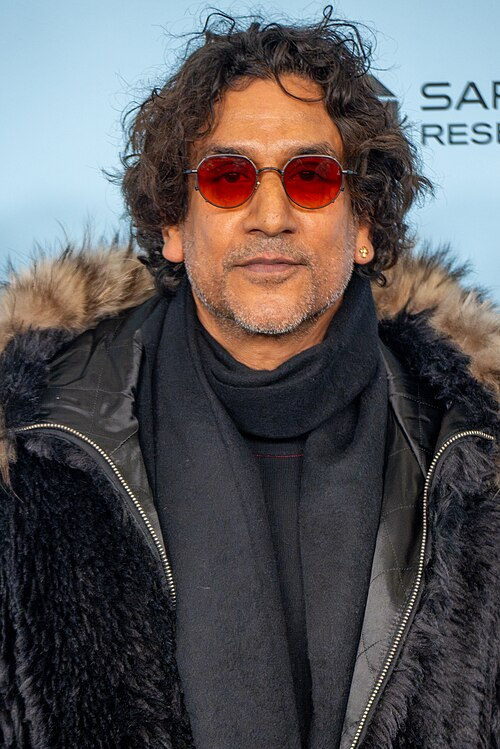 Naveen AndrewsSayid Jarrah
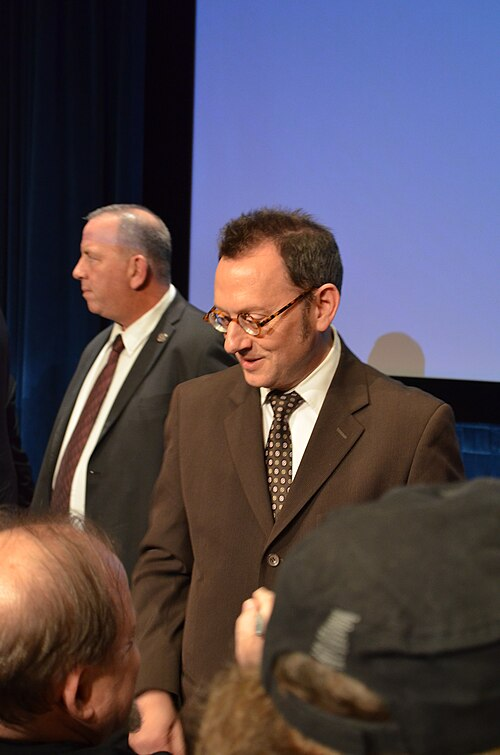 Michael EmersonBenjamin Linus
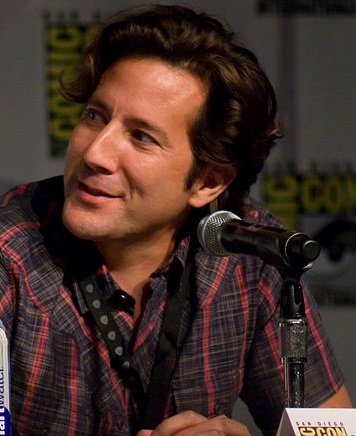 Henry Ian CusickDesmond Hume
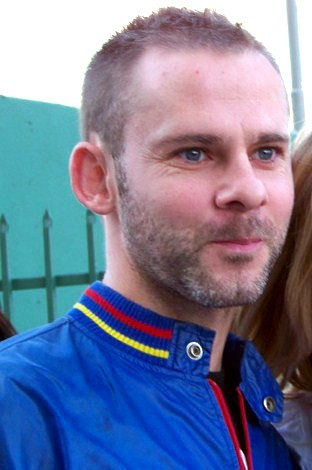 Dominic MonaghanCharlie Pace
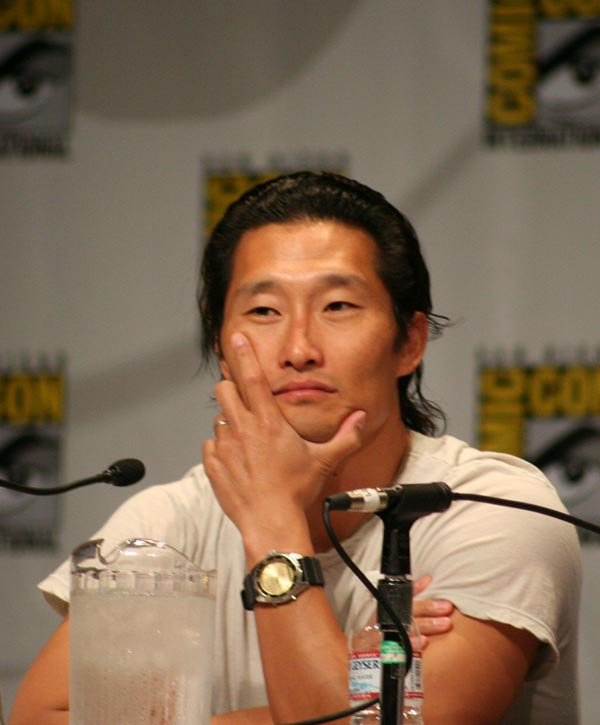 Daniel Dae KimJin-Soo Kwon
 Yunjin KimSun-Hwa Kwon
 Elizabeth MitchellJuliet Burke
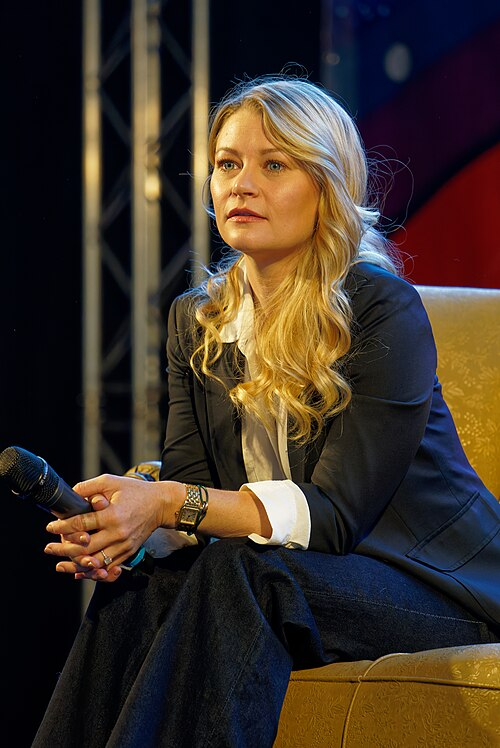 Emilie de RavinClaire Littleton
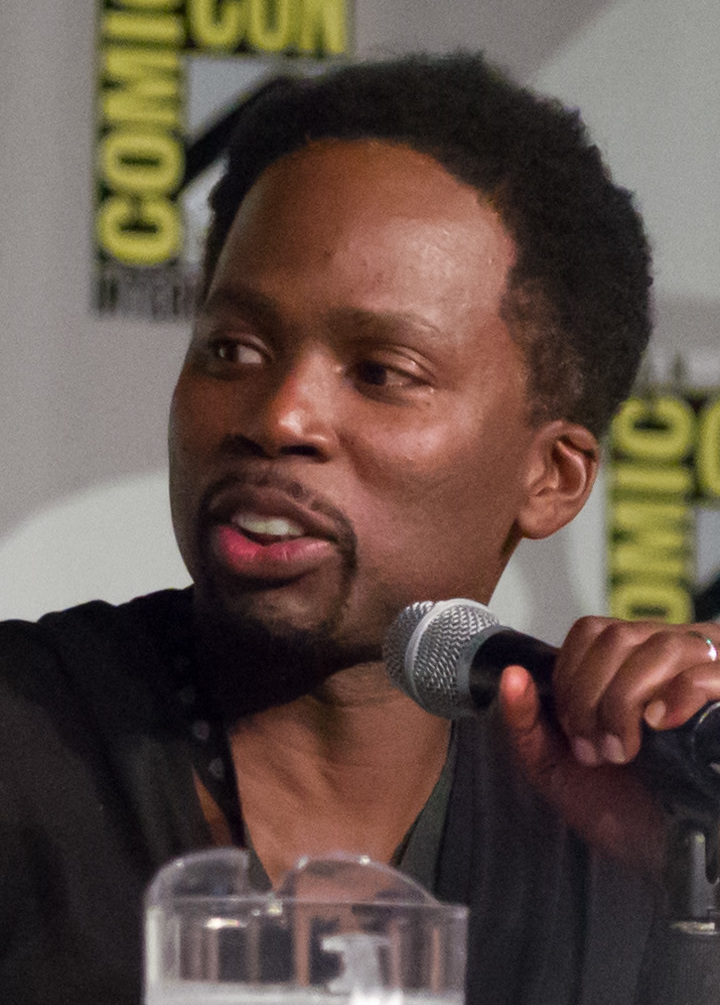 Harold PerrineauMichael Dawson
 Ian SomerhalderBoone Carlyle
 Maggie GraceShannon Rutherford
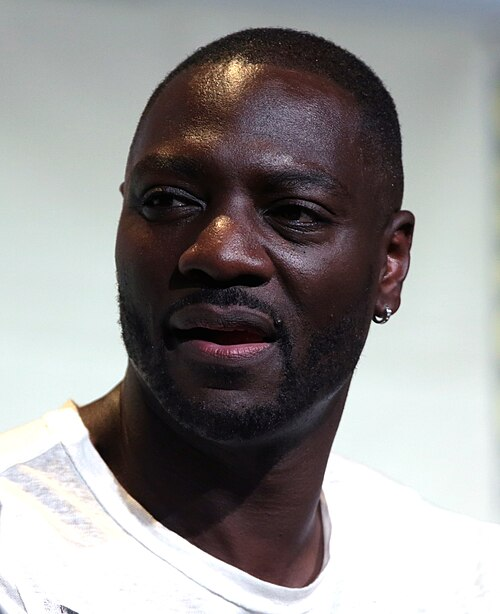 Adewale Akinnuoye-AgbajeMr. Eko
 Michelle RodriguezAna Lucia Cortez
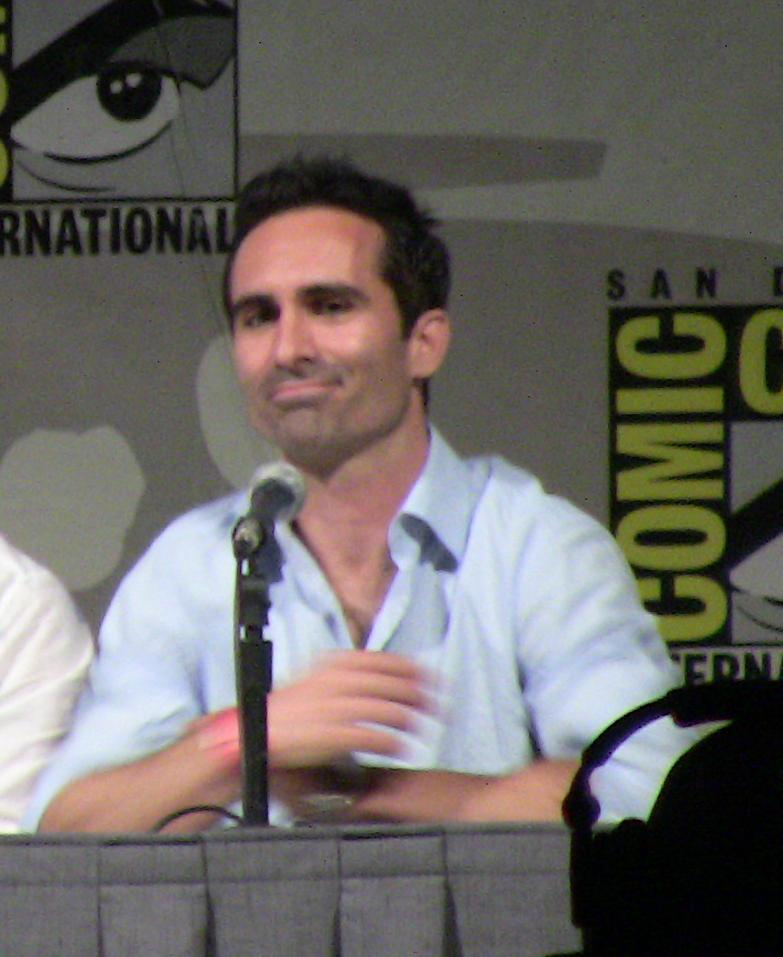 Néstor CarbonellRichard Alpert
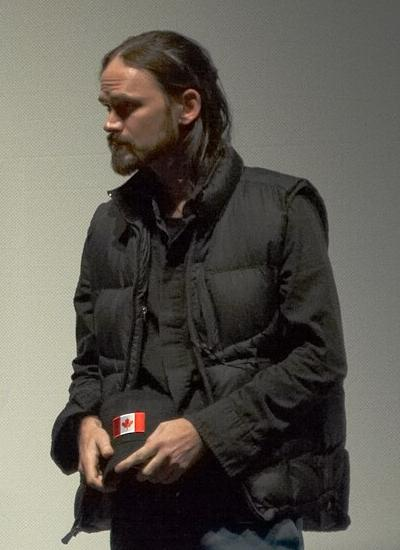 Jeremy DaviesDaniel Faraday
 Ken LeungMiles Straume
 Jeff FaheyFrank Lapidus
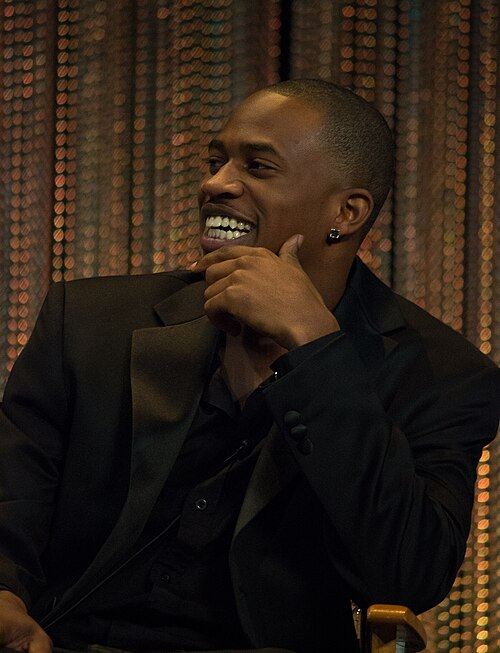 Malcolm David KelleyWalt Lloyd
 Cynthia WatrosLibby
Sources
FanBolt: Interview with Damon Lindelof and Carlton Cuse, December 2008.
ABC News: LOST finale explained, May 2010.
Individual actor sources appear in the linked profiles. Scripture: Exodus 20:1–17; Matthew 5:21–30; Mark 10:42–45; Acts 17:16–34; Romans 3:8, 23–26; Galatians 6:2; 1 John 4:1; 1 Corinthians 15:3–4; Ephesians 2:8–10; John 14:6; Hebrews 9:27.
Logo: LOST title card, creator not identified in the source file, via Wikimedia Commons. Public-domain text logo. No changes. LOST and its logo are trademarks of their respective owners, used for identification. No endorsement implied.

Cast portrait credits
Matthew Fox: Ewen Roberts, via Wikimedia Commons, CC BY 2.0. Commons crop and adjustments; resized.

Evangeline Lilly: MTV UK, via Wikimedia Commons, CC BY 3.0. Video still, cropped on Commons.

Terry O’Quinn: Michele Meyer, via Wikimedia Commons, CC BY 2.0. Cropped on Commons.

Josh Holloway: Gage Skidmore, via Wikimedia Commons, CC BY-SA 3.0. Resized.

Jorge Garcia: Ewen and Donabel Roberts, via Wikimedia Commons, CC BY 2.0. Cropped on Commons.

Naveen Andrews: Bryan Berlin, via Wikimedia Commons, CC BY-SA 4.0. Commons crop; resized.

Michael Emerson: Genevieve, via Wikimedia Commons, CC BY 2.0. Resized.

Henry Ian Cusick: vagueonthehow, via Wikimedia Commons, CC BY 2.0. Cropped on Commons.

Dominic Monaghan: U2soul; crop and adjustments by RanZag, via Wikimedia Commons, CC BY 2.0.

Daniel Dae Kim: Ewen Roberts, via Wikimedia Commons, CC BY 2.0. Cropped on Commons.

Yunjin Kim: Lotte Entertainment (롯데엔터테인먼트), via Wikimedia Commons, CC BY 3.0. Video still.

Elizabeth Mitchell: Luke Ford/lukeford.net, via Wikimedia Commons, CC BY-SA 2.5. No changes.

Emilie de Ravin: Miguel Discart, via Wikimedia Commons, CC BY-SA 2.0. Resized.

Harold Perrineau: Derek Hofmann, cropped by Aiksu, via Wikimedia Commons, CC BY-SA 2.0. Existing crop.

Ian Somerhalder: John Manard / WikiPortraits, via Wikimedia Commons, CC BY-SA 4.0. Resized.

Maggie Grace: Gage Skidmore, via Wikimedia Commons, CC BY-SA 2.0. Existing crop, resized.

Adewale Akinnuoye-Agbaje: Gage Skidmore, cropped by Mike210381, via Wikimedia Commons, CC BY-SA 2.0. Existing crop, resized.

Michelle Rodriguez: Georges Biard, via Wikimedia Commons, CC BY-SA 3.0. No changes.

Néstor Carbonell: Kristin Dos Santos, via Wikimedia Commons, CC BY-SA 2.0. No changes.

Jeremy Davies: jbach, cropped by Wikimedia contributors, via Wikimedia Commons, CC BY-SA 2.0. Existing crop.

Ken Leung: Crosa, cropped by StrangeloveFan101, via Wikimedia Commons, CC BY 2.0. Existing crop, resized.

Jeff Fahey: Kevin Payravi / WikiPortraits, Wikimedia Commons, via source file, CC BY-SA 4.0. Existing crop, resized.

Malcolm David Kelley: iDominick, via Wikimedia Commons, CC BY-SA 2.0. Existing crop, resized.

Cynthia Watros: Sgt. Zachary Mott, U.S. Army, via Wikimedia Commons. Public domain in the United States. Existing crop, resized.
