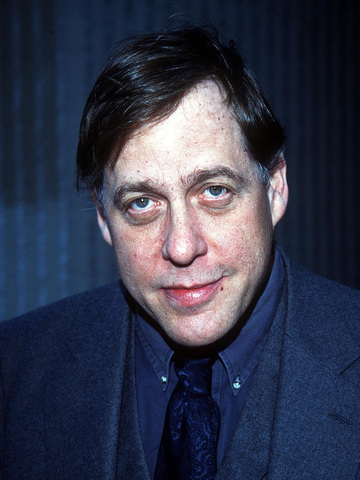
Earl Hindman had a documented family connection to the Episcopal Church through his wife, Molly McGreevy, who became a priest. His own detailed religious beliefs are much less clearly recorded. The available biographical sources provide that connection, but they do not establish a full personal statement of faith by the actor best remembered as Wilson on Home Improvement.
What is documented about his religious background?
Hindman married McGreevy in 1976. Both worked on the daytime drama Ryan’s Hope, and she later entered Episcopal ministry. His biographical overview records the marriage and her work as a priest. McGreevy’s own biography gives further context about her ministry in New York and Connecticut.
That family history belongs in an account of Hindman’s life. It is a connection with a Christian church, rather than a reason to assign him every belief associated with that church. A husband and wife may share many convictions, some convictions, or different convictions. Without his own statement, the distinction remains important.
The sources reviewed for this profile did not provide a reliable personal interview explaining Hindman’s views of God, Jesus, prayer, or life after death. The honest answer is therefore limited: his wife’s Episcopal ministry is documented; his own detailed religious identity is not established here.
A long career before the backyard fence
Hindman was born in Bisbee, Arizona, and studied acting at the University of Arizona. Hallmark’s cast biography describes his early interest in movies and his move into stage work. He performed in regional theater and in New York, including Dark of the Moon and The Basic Training of Pavlo Hummel.
Television viewers also knew him as Bob Reid on Ryan’s Hope. His film credits include The Taking of Pelham One Two Three, The Parallax View, Silverado, and Three Men and a Baby. Those roles show a wider career than the gentle neighbor remembered from his best-known sitcom. The biography linked above lists more of that work.
Hindman died in December 2003 at age sixty-one. A long-running character can remain familiar to viewers after an actor’s death, but the person’s life includes relationships and work that a single role cannot capture. Remembering that wider history gives a more respectful picture.
Wilson’s wisdom and Hindman’s own beliefs
On Home Improvement, Wilson’s advice often arrived over a fence that hid part of his face. The running joke asked Hindman to communicate through his voice, timing, and the expression the audience could see. A thoughtful pause could be as useful as a line of dialogue. That work helped make Wilson a reassuring presence.
Wilson drew on different kinds of knowledge and offered reflections on life. Those speeches were written for a fictional character. They cannot be used to call Hindman a Christian, a Buddhist, or a follower of some other philosophy. An actor’s skill at making a line believable does not make the line a personal creed.
This is especially important in an article about religion. A viewer may feel that he knows Wilson well while knowing little about Hindman’s private spiritual life. The warmth of that connection is real for the viewer, but it should lead to appreciation rather than unsupported claims.
Was Earl Hindman a Christian?
The documented connection to Episcopal ministry provides Christian family context. It does not, by itself, verify Hindman’s own profession of faith. This profile leaves that question open where the evidence leaves it open. It does not claim that he rejected Christianity, and it does not pretend to know his final relationship with God.
Neighborly care and biblical wisdom
The idea of a neighbor who listens offers a thoughtful transition to the Bible. Proverbs 18:13 warns against answering before hearing. James 1:19 calls people to be quick to listen and slow to speak. Those teachings encourage the patient attention that many people wish to find in a friend.
Scripture also goes beyond giving useful advice. The command to love our neighbor concerns action as well as words. In Luke 10, Jesus tells the story of a man who helps someone in need at personal cost. A good neighbor notices a burden and responds. That is a Christian reflection on the theme of neighborly care, not a claim about Hindman’s theology.
Even the wisest human counselor has limits. Good advice cannot erase sin, defeat death, or reconcile us to God. The Bible points us toward Jesus Christ, who offers more than a better way to manage our daily problems.
The gospel for the interested reader
God is holy and just. Romans 3:23 teaches that all have sinned, so every person needs forgiveness. Being kind, wise, or admired cannot remove our guilt. God has acted in mercy through His Son rather than leaving us to repair the problem alone.
Jesus Christ lived without sin, died on the cross for sinners, and rose bodily from the dead. First Corinthians 15:3–4 identifies His death and resurrection as the heart of the gospel. Through Him, God offers forgiveness, reconciliation, and eternal life.
Salvation is by grace through faith, not earned by works (Ephesians 2:8–9). Repentance means turning from sin toward God. Faith means trusting Jesus to save you. If you are interested, read Luke’s Gospel and seek a Bible-teaching church. You can appreciate Hindman’s work while considering this invitation for your own life: to receive mercy through the living Christ.
Photo credit: Earl Hindman headshot via TV Insider’s actor profile (TMS image service). Original photographer not identified on the source page.