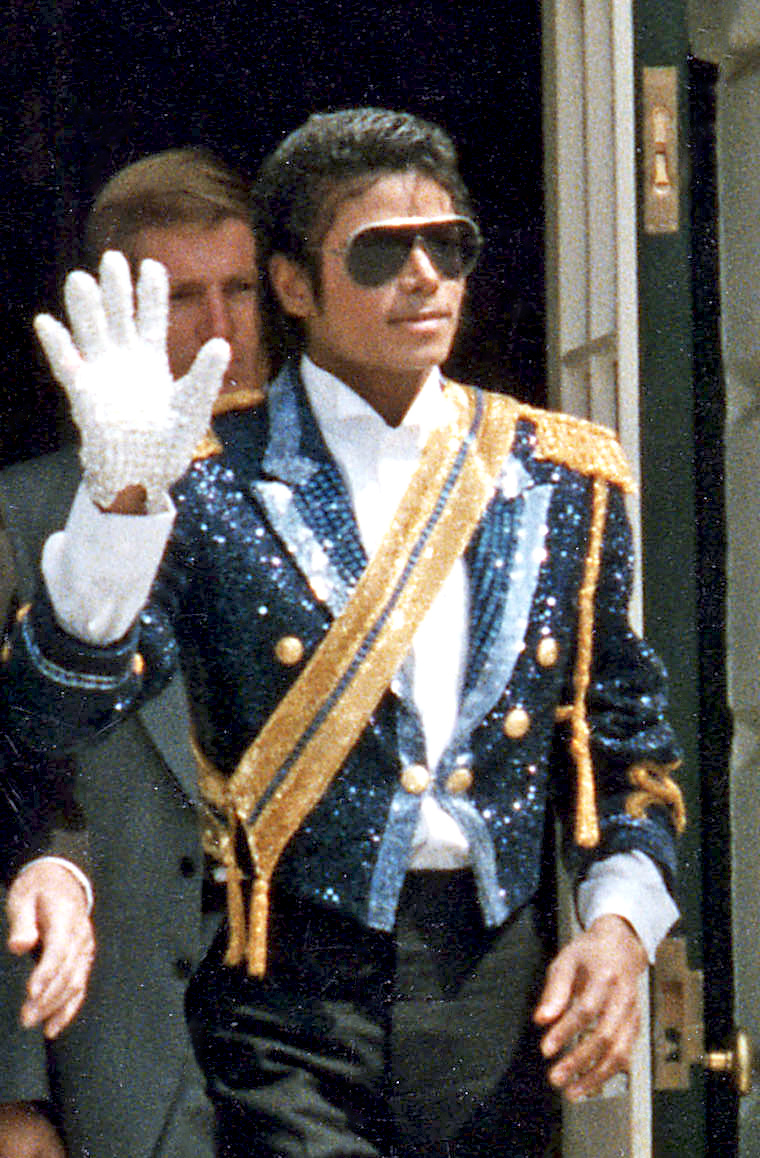
Michael Jackson changed popular music. His songs and performances reached people far beyond any church or religious group. Because his public image included talk about God and the Bible, many readers ask what religion he followed and whether he was a Christian. Jackson died in 2009, so we should speak about him in the past tense and be especially careful not to claim knowledge of his final spiritual condition.
The best public evidence shows that Jackson was once associated with Jehovah’s Witnesses. In a 1982 interview, he spoke about believing in God and reading the Bible. In 1987, a congregation representative told the Los Angeles Times that Jackson had left the group. Those facts are more useful than internet rumors. They still do not reveal everything he believed in the years before his death.
What Michael Jackson said in his own words
In an Interview magazine conversation from 1982, Jackson was asked directly if he was religious. He answered yes and said he believed in the Bible and in God, whom he called Jehovah. He also said he read the Bible often. When asked where he worshiped, he identified the Kingdom Hall and Jehovah’s Witnesses. These were his statements while he was a young adult, not guesses made after his death.
The interviewer called him a “basic Christian,” but Jackson did not simply repeat that label. He answered that he believed in truth. That small exchange is worth noting. It would be inaccurate to quote the interviewer’s words as if Jackson had given a detailed personal testimony about Jesus. It would also be inaccurate to pretend that religion was absent from his life at that time. The interview clearly shows that he thought about God and Scripture.
Why his later religious story is harder to summarize
On June 7, 1987, the Los Angeles Times reported that Jackson had disassociated himself from Jehovah’s Witnesses. A local congregation representative said Jackson no longer wanted to be known as a Witness, and the report cited a letter from the organization. Jackson’s manager declined to comment on his private life. Leaving a religious organization is a significant fact, but it does not automatically tell us which beliefs he kept, changed, or rejected.
People sometimes try to solve that question by studying lyrics, stage images, or comments from friends. That approach can quickly become speculation. A singer may use a biblical image because it fits a song; a friend may know only part of a private story. We can note reliable records, but we should not build a confident claim about Jackson’s faith from hints. His fame made him unusually visible, not unusually easy to understand.
Jackson’s death also makes our limits plain. No new interview can ask him what he believed at the end. Christians may discuss the differences between Jehovah’s Witness teaching and historic Christian teaching about Jesus. Those differences matter. Yet a doctrinal comparison does not give us the authority to announce where one particular person stands before God. We can state what the sources show and leave judgment with the Lord.
What is the Christian gospel?
The question “Was Michael Jackson a Christian?” can become a way to avoid a harder question: What does it mean to trust Christ? The Bible says all of us have sinned and fall short of God’s glory (Romans 3:23). Fame cannot remove that guilt. Neither can reading religious books, belonging to a group, or doing charitable acts. We need more than a respected label.
Christians believe Jesus is the eternal Son of God, who became man, lived without sin, died for sinners, and rose bodily from the dead. He is not merely a moral teacher or an inspiring figure in a song. Salvation comes by God’s grace through faith in him, not by our own works (Ephesians 2:8–9). That is why the person of Jesus matters so much when we ask about Christianity.
Thinking about Jackson’s talent may also remind us how short life is. He accomplished things that will be remembered for decades, yet his life still ended. The same will be true of ours, whether anyone knows our names or not. That truth is not meant to make us cruel toward the dead. It should make us humble, grateful for the time we have, and ready to seek God now.
What can we responsibly say?
Jackson publicly identified with Jehovah’s Witnesses in 1982, and the organization reported that he left in 1987. The sources reviewed here do not establish a clear, final public confession of faith in Jesus Christ as understood by historic Christianity. I cannot say what was in his heart when he died. I can only say what he publicly said and what reliable reporting documented.
For you, the call is present, not past. Do not rest on a celebrity’s religious story or on your own background. Repent of your sin and trust in Jesus Christ, who died and rose again. Ask him for forgiveness and follow him. The gospel offers real hope to ordinary people, even when the stories of famous people remain incomplete.
Sources: Interview magazine’s 1982 conversation with Michael Jackson; Los Angeles Times report, June 7, 1987.
Photo: White House Photo Office / National Archives, via Wikimedia Commons, public domain (U.S. federal government work).
