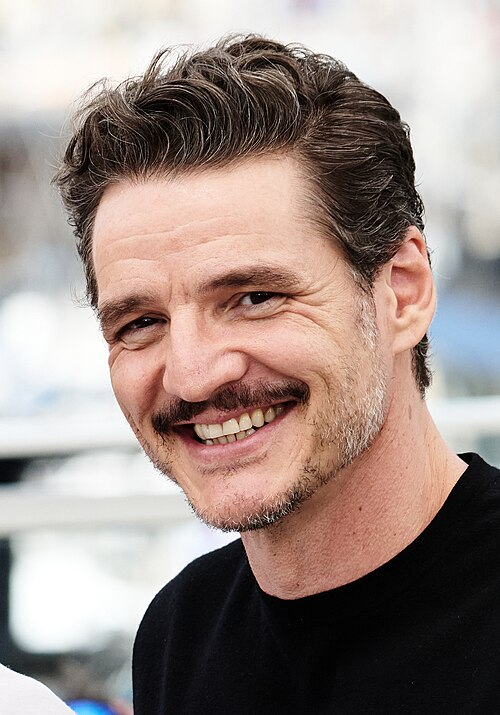
Pedro Pascal is one of the most recognizable actors on television and in movies. Many people know him as the armored father figure in The Mandalorian or as Joel in The Last of Us. His fame also leads to a question we ask about many public figures: What does Pedro Pascal believe about God? Is he a Christian?
The clearest public answer is that Pascal has described himself as agnostic. That means he has not claimed to know whether God exists. It is not the same as a confession of Christian faith. Still, his own words deserve a careful reading. A person is more than one sentence from an interview, and none of us can see inside his heart.
What Pedro Pascal has said about religion
In a 2017 interview with Solar Magazine, Pascal was asked about his character and the way he treats others. He talked about his family, loss, and the experiences that shaped him. Then he addressed belief directly. He said he did not know what he believed and called himself “completely agnostic.” He also said he had not developed a particular relationship with spirituality. These are his statements, not a label placed on him by fans.
In that same conversation, Pascal said that being a good person mattered more to him than being famous or powerful. He connected that view to his upbringing and years of hard work before major roles came his way. His answer sounds thoughtful and personal. It also shows why a short headline such as “Pedro Pascal is Christian” would mislead readers. He did not say that in this interview.
A 2025 Vanity Fair profile likewise described him as agnostic, practically an atheist. The wording matters. The writer was describing Pascal, while the 2017 interview records his own words. Neither source tells us every belief he holds today. People can change, and interviews do not reveal every private thought. Based on these public sources, it is fair to say that Pascal has not publicly identified himself as a Christian in the material reviewed here.
Why people may wonder
Pascal often plays characters who protect others at great personal cost. That can make viewers think about love, sacrifice, and family. Yet the beliefs of a character are not the beliefs of the actor. A moving scene in The Last of Us cannot tell us whether Pascal trusts Jesus Christ. We need to listen to what he has actually said.
His public story also includes experiences that could make anyone ask hard questions. His family fled political danger in Chile when he was a baby, and he has spoken about painful losses in his family. Those facts help explain some of the values he has discussed, but they do not prove a religious conclusion. We should not use someone’s suffering as a shortcut to guessing the condition of his soul.
Is being a good person enough?
Pascal’s comment about being a good person raises a question that belongs to all of us, not just celebrities. Most people want to be kind, honest, and generous. Christians should want those things too. But the Bible says our good deeds cannot erase our sin. Romans 3:23 says that all have sinned and fall short of God’s glory. That includes actors, writers, pastors, and readers of this page.
The gospel is not that Christians are better people who earned God’s approval. It is that Jesus Christ lived without sin, died for sinners, and rose again. According to Ephesians 2:8–9, salvation is God’s gift, received by grace through faith, not a prize for good behavior. Christians may disagree with Pascal’s public view of God, but that is no reason to mock him. We can listen honestly, speak kindly, and remember our own need for mercy.
There is also a difference between uncertainty and indifference. An agnostic may be asking real questions. Christians should be willing to answer those questions with patience and evidence, rather than acting as if doubt makes someone unreachable. The Bible invites us to seek God and to consider who Jesus is. Pascal’s answer in one interview is not the final word on what he may believe in the future.
What should a reader do?
If you came here to learn about Pedro Pascal, the responsible answer is limited but clear: He has publicly described himself as agnostic, and I have not found a public statement from him professing faith in Jesus Christ. That does not give me knowledge of his heart or his standing before God. It gives me a reason to pray for him, as I would pray for anyone, and to speak truthfully about what he has said.
The more important question is not whether a famous actor believes, but whether you have trusted Christ. God calls every person to turn from sin and trust in Jesus, who died and rose again. Do not rest your hope on being a good person, having a religious background, or admiring someone who seems kind. Repent and put your faith in Jesus Christ today. He offers forgiveness and new life to all who come to him.
Sources: Pedro Pascal’s 2017 Solar Magazine interview; Vanity Fair’s 2025 profile; Biography.com career overview.
Photo: Gabriel Hutchinson / WikiPortraits, via Wikimedia Commons, CC BY-SA 4.0. Resized from the original.
