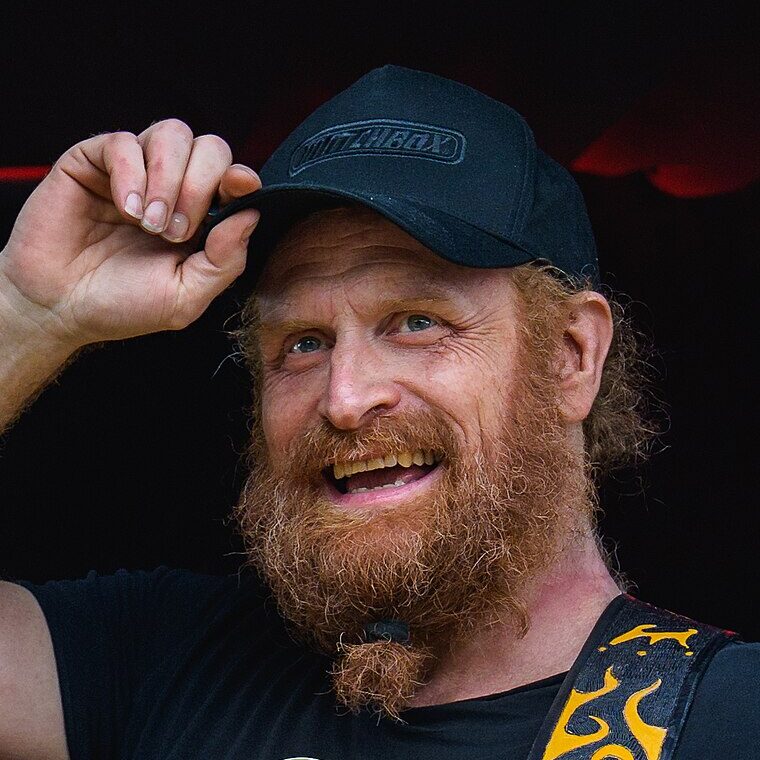
Kristofer Hivju brought warmth, humor, and formidable energy to Tormund Giantsbane in Game of Thrones. The character begins on the far side of a wall and eventually stands beside people who once viewed him as an enemy. That memorable journey leads some viewers to ask about the actor behind it: What is Kristofer Hivju’s religion, and is he a Christian?
Kristofer Hivju’s religion is not established by Tormund
The public material reviewed for this profile does not establish a clear religious affiliation or personal Christian profession from Hivju. His religion therefore remains unconfirmed here. That carefully limited answer should not become a claim that he rejects God. It simply acknowledges the limits of the evidence available for this article.
Norwegian identity is not a confession of faith. Neither interest in Scandinavian history nor a role involving an invented culture establishes that someone practices Norse religion. Tormund’s beliefs belong to a fictional story, while Hivju’s actual spiritual convictions require his own public testimony. Respecting that distinction allows an honest discussion without turning cultural associations into religious labels.
Preparing a character, rather than announcing a creed
In a 2019 GQ interview, Hivju described going into the woods to prepare physically for Tormund’s untamed energy. He also discussed the character’s developing friendship with Jon Snow and his affection for Brienne. These comments concern performance and storytelling; they are not a declaration of the actor’s own religious practices.
Preparing a role can require imagination, movement, observation, and repeated effort. Christians can appreciate that craft as one expression of the abilities God gives human beings. We do not have to confuse artistic preparation with spiritual revelation in order to recognize dedication. Nor should a convincing performance lead us to assume we have been allowed into every part of the performer’s private life.
What Tormund’s friendships suggest about outsiders
Tormund’s changing relationship with people south of the Wall offers a useful question for viewers: How readily do we reduce another person to the group we think they belong to? Fear can make a label feel more informative than an actual encounter. A story can challenge that habit while still leaving its audience responsible for testing the story’s moral conclusions.
The Bible grounds human dignity in something deeper than an unlikely alliance. People bear God’s image before they prove useful to our side. James 2 warns against favoritism, and Jesus’ teaching about loving our neighbors refuses a narrow definition based on convenience. The stranger is not merely an obstacle in the story we tell about ourselves. He or she is a person to whom we owe truthful, patient love.
Courage needs more than a loud voice
Tormund’s forceful personality can be entertaining, but Scripture does not measure courage by volume or physical size. Courage can mean protecting someone vulnerable, refusing dishonest pressure, or admitting a wrong when pride wants to hide it. A gentle answer can require more self-control than an impressive threat. Christian strength remains accountable to the character of Christ.
That also means enjoying a character does not require approving everything he says or does. The series contains graphic violence, sexual content, and cruelty that deserve discernment. A Christian viewer can recognize friendship and sacrifice while declining material that damages the conscience. Appreciation of Hivju’s performance and evaluation of the show’s content are related questions, but they are not identical judgments.
Grace brings outsiders near to God
The Gospel addresses a separation more serious than a fictional wall. God is our holy Creator, and our sin alienates us from him. His Ten Commandments expose our failures: dishonesty, coveting, theft, hatred, sexual wrongdoing, and giving created things the place that belongs to God. None of us has loved God and neighbor perfectly. We deserve judgment from the just Judge of all people.
We cannot overcome that guilt by becoming stronger, joining a better group, or performing enough generous deeds. God himself supplied the rescue. Jesus Christ, the eternal divine Son, became truly human and lived a sinless life. He willingly died on the cross as the substitute for sinners, was buried, and rose bodily from the dead. His victory rests on real events, not a hopeful legend about human potential.
Salvation is a gift of grace received through faith, not wages paid for our works. Ephesians 2:8–9 leaves no room for boasting. You can acknowledge your sin before God and trust Jesus’ finished work for forgiveness, relying on his death and resurrection rather than your own record. The welcome of God is secured by Christ, and the new obedience that follows is a response to his mercy.
Appreciation without assumptions
Kristofer Hivju’s reviewed public interviews help explain his approach to a memorable character, while leaving his religious affiliation unconfirmed. Readers can appreciate his craft and consider biblical questions about courage, prejudice, and belonging without claiming to know his heart. The Christian invitation is personal for each of us: consider who Jesus is and whether the hope we rely upon can actually reconcile us to God.
Source: Kristofer Hivju’s GQ interview, May 7, 2019.
Photo: Kristofer Hivju at Tons of Rock, 2026, by Birgit Fostervold, via Wikimedia Commons, CC BY-SA 4.0. Cropped and resized.
