The profile · Actor and author
Tenoch Huerta Mejía
Tenoch Huerta Mejía’s career was established in Mexican cinema before Namor brought a much larger audience. His public story also includes work against colorism, a book, and serious allegations he has denied.
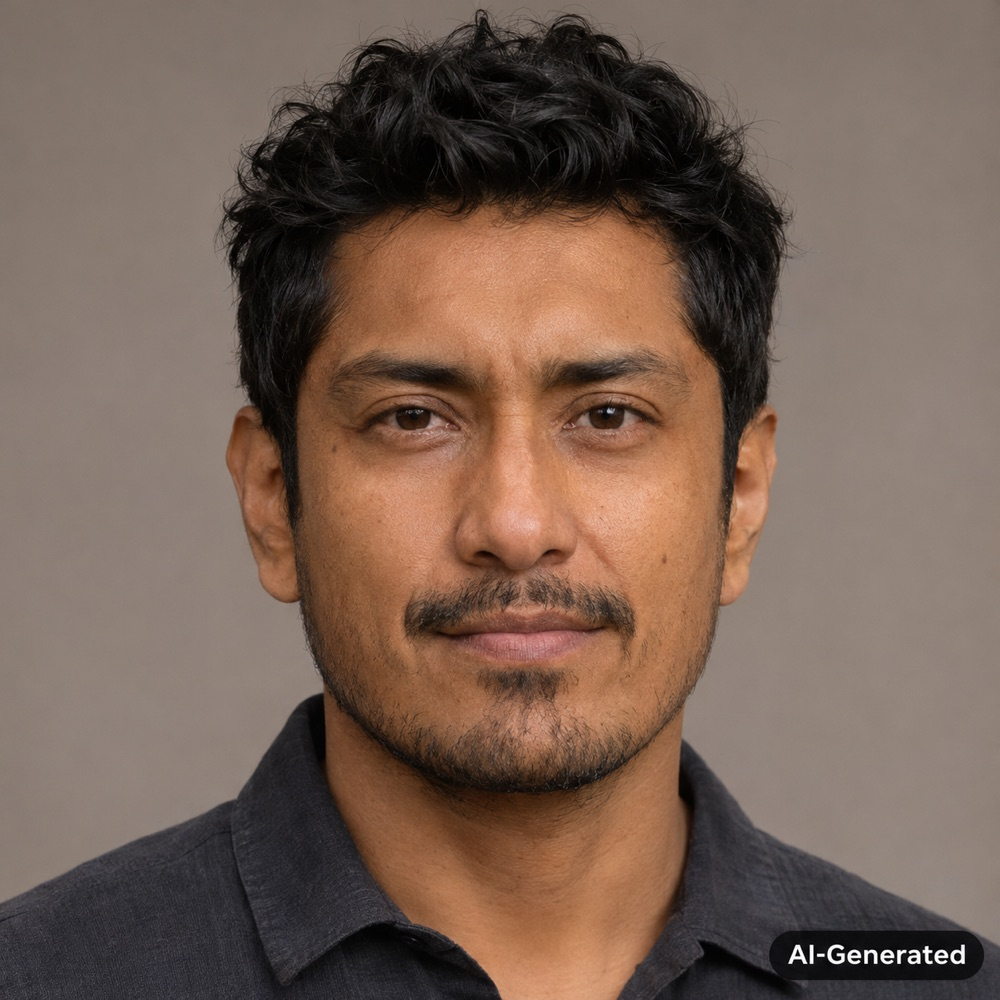
- Earlier field of study
- Journalism[1]
- Mexican cinema
- Days of Grace and Güeros[2]
- Television role
- Rafael Caro Quintero in Narcos: Mexico[2]
- Marvel role
- Namor[3]
The person behind the work
An international introduction after years of work
Tenoch Huerta Mejía studied journalism before acting became his profession. A 2022 Men’s Health interview describes the encouragement of his film-loving father and the training that followed. His entry into a major American franchise came after years of Mexican film and television work, not at the beginning of his career.[1]
Days of Grace placed him in a demanding crime drama. Güeros gave him a very different role as Sombra, while Narcos: Mexico introduced many streaming viewers to his performance as Rafael Caro Quintero. The characters occupy different settings, but none can stand in as a biography of the actor who plays them.[2]
He also appeared as Juan in The Forever Purge before playing Namor in Black Panther: Wakanda Forever. The move increased the scale of public attention. It did not remove the earlier work or make a superhero the only useful way to describe him.[2][3]
A career in range
Selected work, at a glance
The person behind the work
Who gets to be at the center of the story?
In a Remezcla interview, Huerta spoke about the effect of children seeing a powerful screen character who looks more like them. He described the responsibility as overwhelming in a positive way. His concern was not only the size of the role, but what its visibility might make possible in a young viewer’s imagination.[4]
His discussion of a mural bearing his face brought the point down to a more personal scale. He was surprised that someone had spent so much time making it and said he wanted to live up to the honor. The remark is a statement of aspiration, not proof of a person’s private conduct.[4]
Huerta’s anti-colorism comments and his book Orgullo prieto address a related issue: which complexions and backgrounds are regularly allowed authority in entertainment. A casting success can matter while still leaving room to ask how widely opportunity is shared.[5]
Namor’s fictional culture and religious imagery belong to the film. They should not be used to assign Huerta a real-world belief. These interviews provide much clearer evidence about representation and work than about his personal religion.[3]
A closer look
Three ways into the work
Days of Grace: look back before the franchise
The film is a significant part of Huerta’s Mexican career. It places performance within a harsh crime setting rather than a heroic one. Strong violence makes it unsuitable as a casual family recommendation.[2]
Güeros: another scale of storytelling
Sombra belongs to a very different film from Wakanda Forever. The smaller setting gives viewers a way to see the actor outside the demands and expectations of a blockbuster role.[2]
Narcos: Mexico: a real name in a dramatized world
Playing Rafael Caro Quintero carries a distinction worth keeping clear. The series interprets events for drama. Neither the character’s actions nor the actor’s performance should replace reliable historical reporting.[2]
The person behind the work
Serious claims require careful words
In June 2023, musician and activist María Elena Ríos accused Huerta of sexual assault. He denied the allegations in a public statement and said their relationship had been consensual. TheWrap reported both the accusation and his response. This profile does not treat an allegation as a finding or a denial as a final resolution.[6]
Care means taking claims of harm seriously while being precise about what has been established. It also means refusing to use a screen role, a political cause, or a religious label as evidence that someone must be innocent or guilty. Public admiration is not a substitute for truth.
That distinction belongs beside the career, rather than being hidden by it. A reader can recognize the importance of representation and still insist on responsibility, fairness, and compassion for people whose accounts are in conflict.
Listen to the person
In their own words
November 2022
“fight every day to deserve it”
Famous Faith’s Christian perspective
Beyond the Spotlight
Questions of harm and responsibility are too serious for quick public verdicts. The Christian message asks every person to face truth, including the writer and reader here. It does not grant us knowledge of another person’s soul or permission to make light of someone’s suffering.
The Ten Commandments forbid murder, adultery, theft, and false witness. They protect lives, relationships, and truth. Jesus also addressed the anger and desire beneath outward actions. We should neither excuse our own wrongs nor invent another person’s. God’s law shows that every one of us needs mercy.
1 John 3:4 describes sin as breaking God’s law. That standard includes the powerful, the overlooked, and everyone discussing them. Jesus warned of hell and final judgment. We should handle those words with care for people who have been hurt, and with humility about what we know. No profile can pronounce a person’s eternal future.
God’s mercy is not indifference to wrong. His Son, Jesus Christ, lived without sin, died on the cross for sinners, and rose bodily from the dead. Forgiveness comes through faith in him as a gift of grace. Reputation, good causes, and religious effort cannot buy it (Romans 3:23–24; Ephesians 2:8–9). God loves people enough to offer a real rescue.
Repentance is a change of heart and mind that turns from sin and rebellion toward God. We stop defending our resistance to him and begin trusting who he is and the love he has shown through Jesus. It normally changes conduct, including a readiness to tell the truth, accept responsibility, and stop harming others. Those actions cannot purchase salvation, but grace should never be used as permission to continue wrongdoing. Forgiven people are called to practice love, justice, and care.
Repentance never means asking a harmed person to ignore safety or abandon truth. Coming to Christ includes a willingness to face responsibility, receive forgiveness by grace, and learn to love others with practical care.
Explore the Good Person Test and the promise of forgiveness →
This section shares Famous Faith’s Christian beliefs. It does not speak for Tenoch Huerta Mejía.
People connected to the story
Follow the connections



Angela Bassett
They appear in the same film’s conflict between rulers and families.[3]
Read the profile →Sources and further reading
- Men’s Health — Tenoch Huerta interview (2022)
- Tenoch Huerta — Film and television credits
- Marvel — Black Panther: Wakanda Forever
- Remezcla — Interview with Tenoch Huerta (2022)
- Axios — Tenoch Huerta’s comments on colorism (2023)
- TheWrap — Allegations and Huerta’s response (2023)
Artwork: Original AI-generated portrait of Tenoch Huerta Mejía, created for Famous Faith; not a photograph. The other AI-generated portraits shown here were also created for Famous Faith. No endorsement is implied.
Photograph: Angela Bassett by Gage Skidmore from Peoria, AZ, United States of America, via Wikimedia Commons, CC BY-SA 2.0. Cropped to a square card for display.

Film and book titles identify the works discussed. A career credit is not a recommendation that every reader watch or read that work.