The profile · Actor
Mabel Cadena
Mabel Cadena had already built a career in Mexico when an unfamiliar audition opened a much bigger door. Preparing for Namora meant English lessons, Mayan language work, stunts, and long hours of underwater training.

- Acting training
- CasAzul school in Mexico[1]
- Hollywood debut
- Black Panther: Wakanda Forever (2022)[1]
- Screen character
- Namora[3]
The person behind the work
A career existed before the international introduction
Mabel Cadena trained at CasAzul, a school for performing and audiovisual arts in Mexico. Her early screen work grew from auditions during that training. Before an international audience met Namora, Mexican viewers could see her in television and films including Monarca, Hernán, and Dance of the 41.[1][2]
Her roles were not interchangeable. Hernán cast her as Tecuelhuetzin in a historical drama. In Dance of the 41 she played Amada Díaz, while The Asphalt Goddess gave her the role of Ramira. The range matters because an English-language breakthrough can otherwise hide the career that made someone ready for it.[2]
Cadena also studied psychology before the larger screen opportunities. Acting training and earlier television roles gave her a working life to build on. Her international introduction can be read as a new chapter rather than a story in which the years in Mexico are only a waiting room.[2]
A career in range
Selected work, at a glance
The person behind the work
The audition was only the beginning
Cadena told the Golden Globes that she did not know the audition was for Black Panther at first. She treated English-language castings as practice and a way to reduce fear. The process continued through several versions of material and a request to demonstrate physical abilities before she received the role.[4]
Preparation then spread across several skills. In an interview with The Mujerista, she described a year of stunt work, water training, English classes, and Mayan language lessons. She also described learning to manage the fear that comes with staying underwater. Those are her personal recollections, not a recommendation to attempt freediving without expert supervision.[1]
As Namora, she wanted to understand a protector’s loyalty to people, land, and history. The character belongs to the film’s invented world. That artistic task should not be confused with a statement about Cadena’s own religion or with a complete account of a real Indigenous culture.[1]
Her casting also gave her a different kind of responsibility. In the Golden Globes interview, she spoke about children being able to imagine people who look like them in powerful roles. The point was more specific than simply becoming famous: a visible opportunity can change what another person thinks is available.[4]
A closer look
Three ways into the work
Hernán: language is part of the performance
A historical setting asks more than a change of clothes. Cadena’s work as Tecuelhuetzin is one example of a role where language preparation belongs to the job. A television dramatization remains an interpretation of history.[2]
Dance of the 41: remember the earlier film career
Amada Díaz belongs to a Mexican historical drama made before Wakanda Forever. Its place in her credits helps prevent the international breakthrough from being mistaken for the start of her professional life. The film contains adult material.[2]
The Asphalt Goddess: a different screen setting
Ramira offers another part of the work that preceded Namora. Looking across these roles gives a fuller picture than treating physical training for one blockbuster as Cadena’s only skill. This is an adult drama, rather than a family viewing suggestion.[2]
The person behind the work
Recognition without losing the earlier story
Cadena’s comments here center on work, language, representation, and roots. They do not clearly name a personal faith. A phrase such as having faith in a new generation’s opportunities is not enough to assign a religious label. Context matters when someone is discussing a hoped-for change.[4]
Her story gives readers a concrete way to think about encouragement. Confidence did not have to arrive before every difficult task. Teachers, training, and the chance to begin helped turn an unfamiliar opportunity into work she could actually do.
Listen to the person
In their own words
September 2022
“I auditioned without thinking if I had any chance of getting the role.”
Famous Faith’s Christian perspective
Beyond the Spotlight
Being seen can change a person’s sense of possibility. The Bible goes further than public recognition: every person already matters to the God who made them. That dignity does not depend on a face appearing on a screen, and it also calls us to take our choices seriously.
The Ten Commandments name ways we fail to love: lying about a neighbor, taking what is not ours, dishonoring parents, and coveting another person’s life. People from every background can recognize these failures. God’s law asks for honesty about ourselves rather than pride over someone else.
The Bible identifies sin as transgression of God’s law (1 John 3:4). It is a shared human problem, not something belonging to one nation or kind of person. Jesus warned of hell and judgment. We should speak of that danger with tenderness, remembering that cultural pride, Christian upbringing, and public admiration cannot settle our own need for forgiveness.
God’s love has a particular center: Jesus Christ, his Son. He lived a sinless human life, died on the cross for our sins, and rose physically from the dead. Forgiveness is received by faith in him. Grace gives what achievements and religious effort cannot earn—a restored relationship with God (John 3:16; Ephesians 2:8–9).
Repentance turns our mind and heart away from sin and from resisting the God who made us. We come to trust who he is and the love he has shown through Jesus Christ. It normally leads to a different way of living, with more truthfulness, responsibility, and love. We do not have to erase our heritage to come to Jesus. Nor can heritage erase our wrongs. Mercy is offered to people as they truly are, and calls them into new life.
God’s welcome is not limited by language, nationality, or public importance. You can ask for forgiveness through Jesus in plain words and begin following him with others who are learning to do the same.
Explore the Good Person Test and the promise of forgiveness →
This section shares Famous Faith’s Christian beliefs. It does not speak for Mabel Cadena.
People connected to the story
Follow the connections
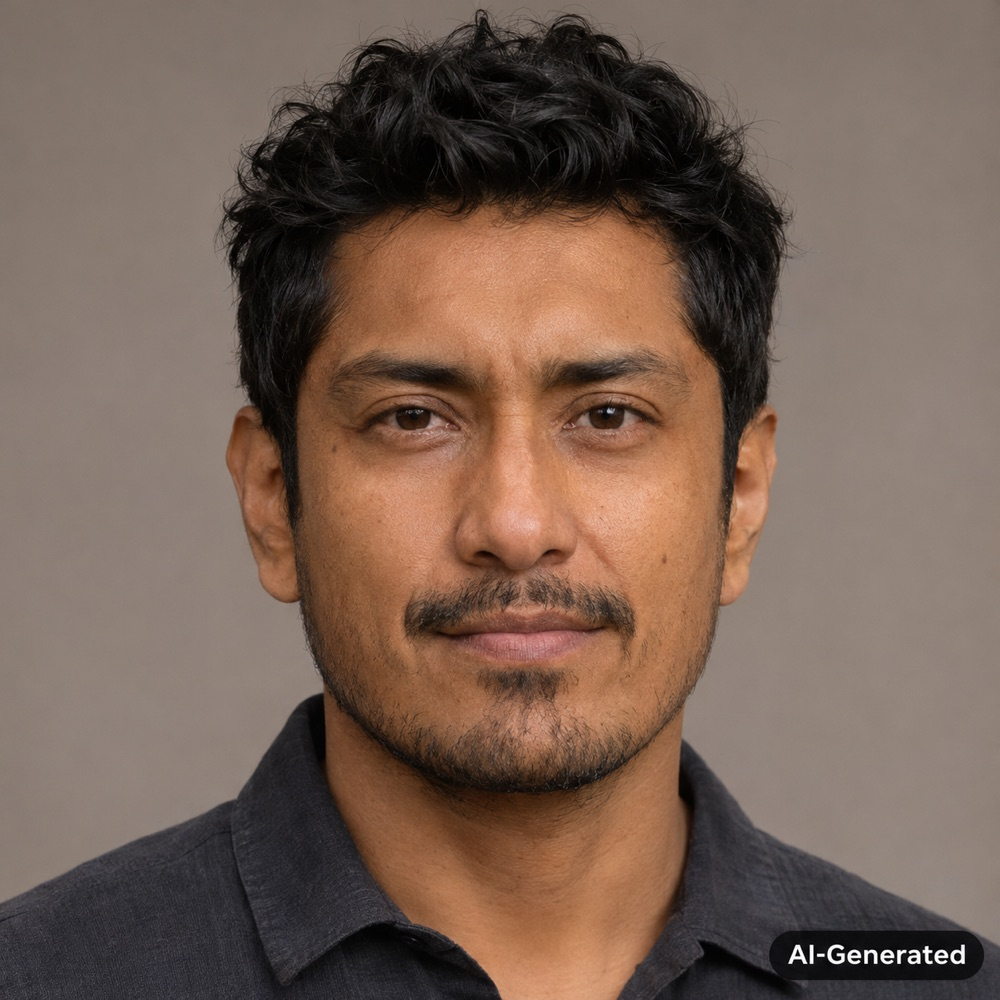
Tenoch Huerta Mejía
His Namor and her Namora share the Talokan story in Wakanda Forever.[3]
Read the profile →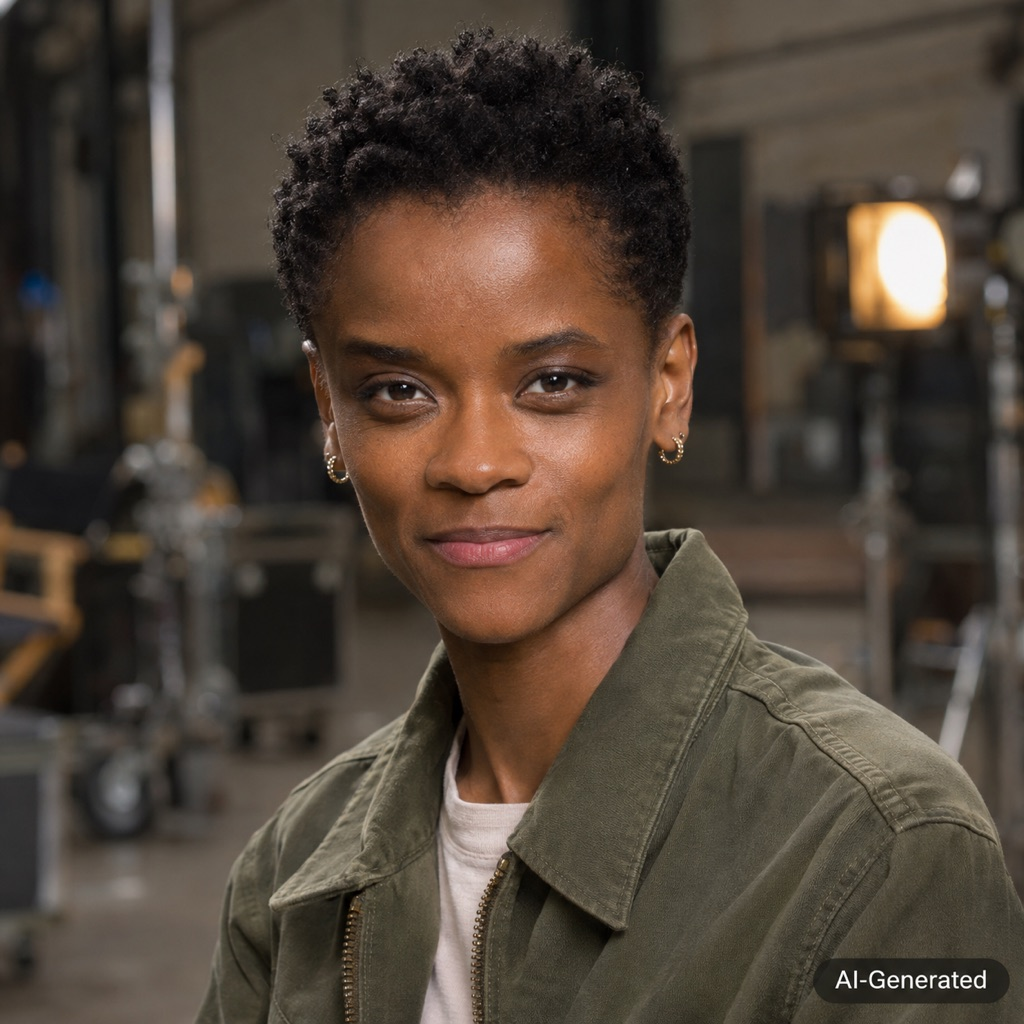

Danai Gurira
Gurira’s Okoye and Cadena’s Namora meet on opposing sides of Wakanda Forever’s conflict.[3]
Read the profile →Sources and further reading
- The Mujerista — Interview with Mabel Cadena
- Mabel Cadena — Film and television credits
- Marvel — Black Panther: Wakanda Forever
- Golden Globes — Mabel Cadena interview (2022)
Artwork: Original AI-generated portrait of Mabel Cadena, created for Famous Faith; not a photograph. The other AI-generated portraits shown here were also created for Famous Faith. No endorsement is implied.
Photograph: Danai Gurira by Gage Skidmore, via Wikimedia Commons, CC BY 4.0. Cropped to a square card for display.

Film and book titles identify the works discussed. A career credit is not a recommendation that every reader watch or read that work.