What did Rosetta LeNoire say about her religion?
Rosetta LeNoire described herself as Catholic when recalling her childhood in a 1994 Los Angeles Times interview. She remembered being singled out because of disability and because her Catholic background differed from that of many of the children around her. In the same interview, she spoke of thanking God for living long enough to see changes in the way people were treated. Those are her own public words about her background and gratitude. They do not tell us everything she believed about Jesus or how she practiced her faith throughout life.
Before she was Mother Winslow
LeNoire played Estelle “Mother” Winslow, Carl’s mother on Family Matters. Television viewers may remember Estelle for the way she could share a home with younger people without surrendering her own opinions or plans. LeNoire brought decades of work to that part. The Broadway League records her appearances in productions including The Hot Mikado, Anna Lucasta, The Royal Family and You Can’t Take It With You.
The company she founded, Amas Musical Theatre, remembers composer Eubie Blake as her longtime mentor and performer Bill “Bojangles” Robinson as her godfather. She made her Broadway debut in 1939. She later appeared in films and played roles on other television series, including Gimme a Break! and Amen. Amas records that LeNoire died in 2002 at age 90.
When someone opens the door
In 1968, LeNoire founded what became Amas Musical Theatre. She used her own savings to start an interracial theater company that would offer opportunities to people who were too often passed over. The group developed musicals and provided arts education. Actors’ Equity Association named an award in her honor for work that broadened who had opportunities in theater. The National Endowment for the Arts lists her as a 1999 National Medal of Arts recipient.
A television role may be the easiest way to recognize LeNoire, but the theater company helps explain what mattered to her as a producer. She wanted people to have a chance to contribute without first having to fit someone else’s idea of who belonged onstage.
A biblical warning about playing favorites
James 2:1–9 pictures a gathering where a wealthy visitor is given a good seat while a poor visitor is told to stand or sit on the floor. James asks Christians to notice the judgment behind that small decision. A person’s worth cannot be measured by clothes, money or social standing. The immediate setting is a gathering of believers; its warning can also help us notice whom we ignore elsewhere.
How do we welcome someone who cannot advance our career or make us look good? We might give them our full attention, invite them to contribute or apologize for having overlooked them. Acting without favoritism takes more than saying everyone is welcome.
Why grace leaves no room for boasting
The Christian gospel gives us a deeper reason to put aside pride. All of us have sinned (Romans 3:23). Jesus died for our sins and rose from the dead (1 Corinthians 15:3–4). Forgiveness comes to us by grace through faith, not because we earned a better seat than someone else (Ephesians 2:8–9). That is the Christian message for the reader, not a claim about the condition of LeNoire’s heart.
Sources
- Rosetta LeNoire interview, Los Angeles Times
- Amas Musical Theatre founder biography
- Broadway League: Rosetta LeNoire
- Actors’ Equity: Rosetta LeNoire Award
- National Endowment for the Arts: Rosetta LeNoire
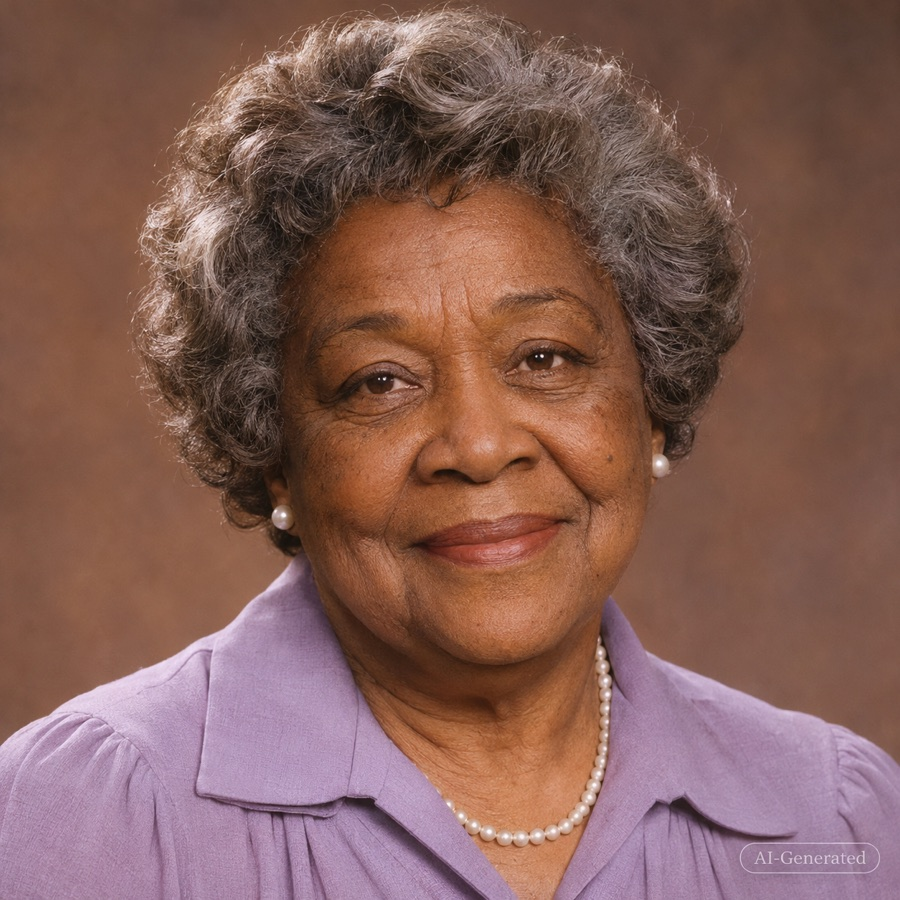
Image credit: Original AI-generated editorial portrait of Rosetta LeNoire created for Famous Faith; not a photograph.