The profile · Actor; Jim Jones, Cy Tolliver, and Curly Bill Brocius
Powers Boothe
A voice audiences remembered, a stage-trained craft, and an early lesson in getting past division.
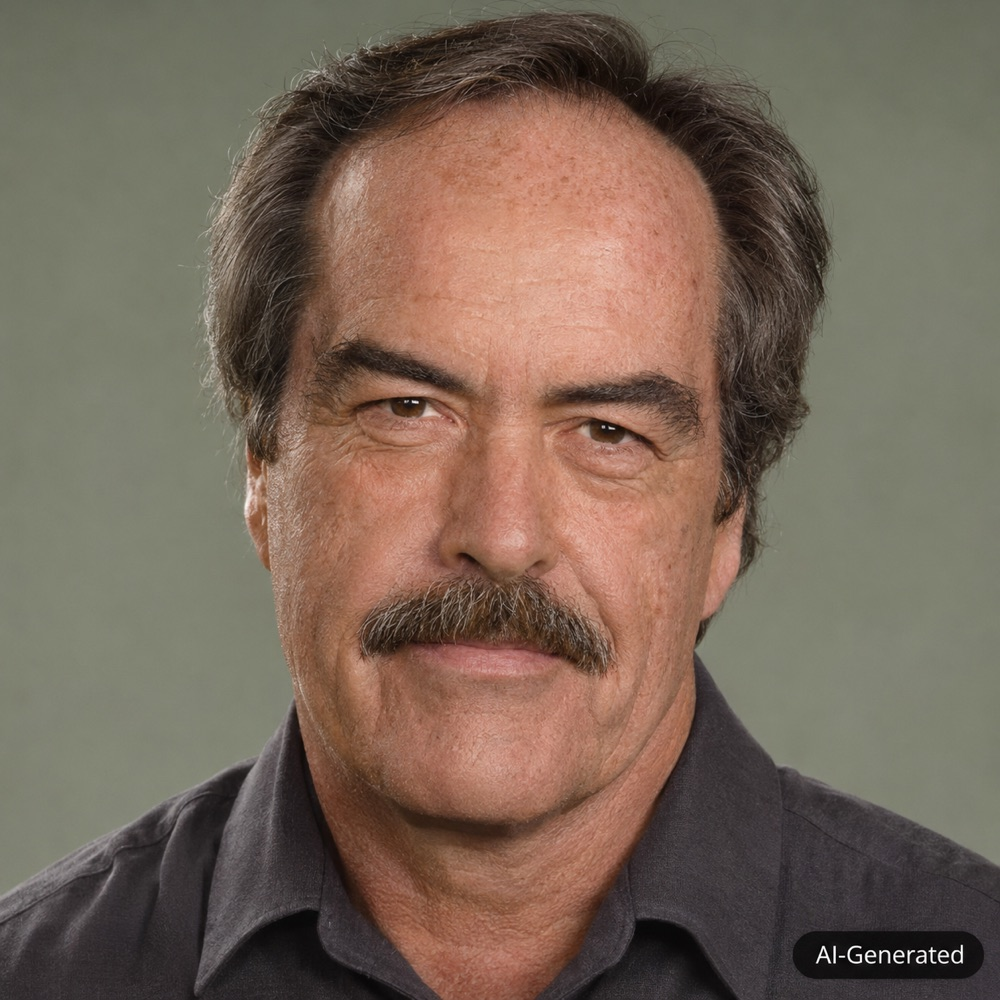
- Lived
- June 1, 1948 – May 14, 2017[1]
- Education
- Texas State, then an MFA at Southern Methodist University[2]
- Stage background
- Oregon Shakespeare and New York theater[1]
- Major award
- 1980 Emmy for Guyana Tragedy[3]
The person behind the work
A lesson before the acting career
Powers Boothe grew up in Snyder, Texas. In a memory shared by the Boys & Girls Clubs of America, he described a place where children got to know one another across the divisions around them. His schools were segregated, he recalled, but the Boys Club was not. Team games taught more than a sport; they offered time with other children as people.[1]
Boothe graduated from Texas State in 1970 and earned an MFA from Southern Methodist University in 1972. His early career included the Oregon Shakespeare company and theater in New York. That background matters when looking at his later screen villains. A deep voice helped make him recognizable, but formal training and stage experience were also part of the work.[2][1]
A career in range
Selected work, at a glance
The person behind the work
Authority could become a threat
In 1980, Boothe won an Emmy for playing Jim Jones in Guyana Tragedy. Later television audiences knew him as Cy Tolliver in Deadwood, Noah Daniels in 24, and Lamar Wyatt in Nashville. Film viewers may first remember Curly Bill in Tombstone. Many of these roles involved people using power in disturbing ways; playing them did not make their values his own.[3][4]
Boothe’s credits also included Philip Marlowe, Private Eye and voice work in Justice League. He appeared in The Avengers as a World Security Council member, a character developed as Gideon Malick in Agents of S.H.I.E.L.D. The range is worth remembering: the career contained detective stories, Westerns, political drama, theater, and animation, rather than one long line of interchangeable villains.[3][4]
A closer look
Three ways into the work
Guyana Tragedy
Boothe’s Emmy-winning performance is a major career marker. It is also a reminder to distinguish an actor’s ability to depict manipulation from approval of the person depicted.[3]
What the record supports
A portrayal is not a personal creed
Because his award-winning role was a religious leader, searches about Boothe can mix the actor with Jim Jones. The distinction is simple: he portrayed Jones; he was not speaking for his own faith. The reliable sources used here do not give a clear personal religious statement. His account of respect learned at the Boys Club offers a firmer basis for discussing his values.[3][1]
Listen to the person
In their own words
Boys & Girls Clubs alumni recollection
“Our schools were segregated, but the Boys Club was not, and we had fun.”
Famous Faith’s Christian perspective
Beyond the Spotlight
Boothe’s memory of children playing together points toward a simple duty: see the person before the label. The Bible says human beings bear God’s image. Christian love therefore has no room for treating a neighbor as worth less because of race, status, or background. We can appreciate that early lesson without turning it into a claim about Boothe’s private faith.
That same respect makes moral wrong serious. The Ten Commandments forbid murder, stealing, and false witness; they also challenge the coveting that can hide beneath a respectable surface (Exodus 20). Sin means breaking God’s law (1 John 3:4). Every one of us needs mercy. Jesus warned about judgment and hell, not to give us an excuse to hate, but because the harm we do and our need for God are real.
Christian hope centers on Jesus Christ, God’s Son. He lived a sinless human life, died on the cross for our sins, and rose bodily from the dead. God offers forgiveness through him to people whose record cannot save them. Salvation is received by grace through faith, not earned by a good reputation, a generous gift, or a life that looks better than someone else’s (Romans 5:8; Ephesians 2:8–9).
Repentance turns us from sin and our refusal to follow God, with a change of mind and heart. It includes learning to trust who God is, seeing his love for sinners made clear through Jesus Christ. That new direction normally becomes visible in behavior: truth-telling, restitution when possible, and a different way of treating neighbors. It does not erase every struggle overnight. These are fruits of receiving mercy, not a payment that forces God to forgive.
The invitation to the reader is to come honestly to Christ. Admit the wrong you know, ask for forgiveness, and trust his death and resurrection rather than your image. Then begin learning to love the people in front of you. No one needs to become famous to do that, and no one is beyond the need for grace.
Consider the Good Person Test and the hope of forgiveness →
This section shares Famous Faith’s Christian beliefs. It does not speak for Powers Boothe.
People connected to the story
Follow the connections
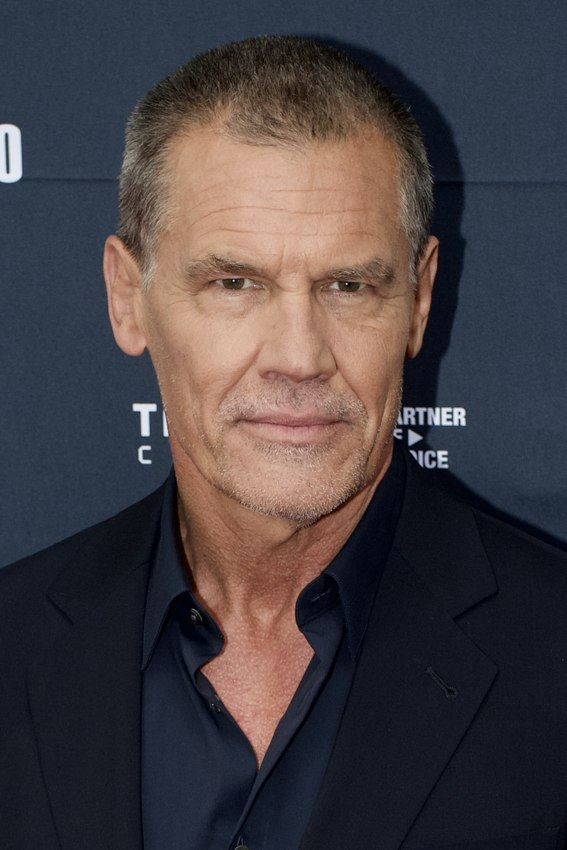
Josh Brolin
They share Sin City: A Dame to Kill For, as Senator Roark and Dwight McCarthy.[5]
Read the profile →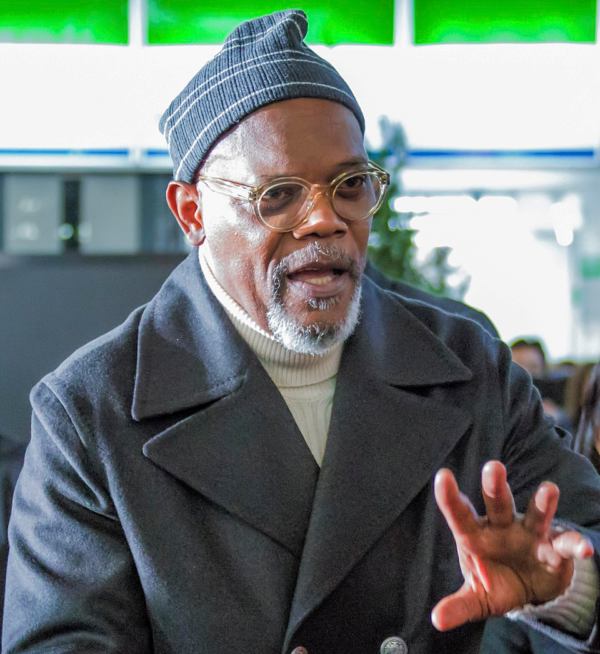
Samuel L. Jackson
Both appear in The Avengers, on different sides of its command structure.[4]
Read the profile →
Sources and further reading
- Boys & Girls Clubs of America: Powers Boothe
- Texas State: 2010 commencement program and Boothe biography
- Television Academy: Powers Boothe
- Powers Boothe: filmography reference
- TV Guide: Sin City: A Dame to Kill For cast
Artwork: Original AI-generated portrait of Powers Boothe, created for Famous Faith; not a photograph. The other AI-generated portraits shown here were also created for Famous Faith. No endorsement is implied.
Photograph: Josh Brolin by Max Surprenant, via Wikimedia Commons, CC BY 4.0. Cropped to a square card for display.

Photograph: Samuel L. Jackson by Dick Thomas Johnson, via Wikimedia Commons, CC BY 2.0. Cropped to a square card for display.

Film and book titles identify the works discussed. A career credit is not a recommendation that every reader watch or read that work.