People · Beliefs
Olivia d’Abo
Olivia d’Abo played Karen Arnold, recorded her own music, and built a wide-ranging screen and voice career. Her personal religious beliefs remain unconfirmed.
- Known for
- Karen Arnold in The Wonder Years
- Broadway
- Gwendolyn Pigeon in The Odd Couple
- Music
- Singer-songwriter; album Not TV
- Religion
- No reliable public self-identification confirmed
Olivia d’Abo brought the older Arnold sister, Karen, to the original The Wonder Years. Karen’s independence and clashes with her parents made her part of the show’s picture of a changing generation. The British actress also became a singer-songwriter and a familiar voice in animation. Her many characters invite interest in the woman behind them, but a fictional free spirit, villain, or Jedi is not a statement of her own religious beliefs.
Karen Arnold and the Years That Followed
The Television Academy’s cast record identifies d’Abo as Karen, alongside Jason Hervey as Wayne and Fred Savage as Kevin. Karen gave the Arnold household an older teenager’s perspective on the late 1960s and early 1970s. Her place in the family differed from that of her younger brothers, bringing the parents’ expectations into contact with a more rebellious outlook.
Her film work included Conan the Destroyer in 1984. In a November 2025 conversation with The Locher Room, she looked back at that early experience and at Karen’s lasting place in her career. The interview also covered a later role, Fifi Garrett in The Bay, and her excitement over her first Daytime Emmy nomination. It is a useful reminder that the actress continued taking on new work long after the Arnold family’s story ended.
A Career Across Television and Animation
A filmmaker’s production biography records the range of her television parts: Marie Blake in The Single Guy, Nicole Wallace in Law & Order: Criminal Intent, and Jane Porter in the animated The Legend of Tarzan. She also voiced Jedi Master Luminara Unduli in Star Wars: The Clone Wars. These parts called for comedy, danger, adventure, and voice performance rather than a repeat of Karen.
In Star Trek: The Next Generation, she played Amanda Rogers in “True Q.” In a 2011 interview with the franchise’s official website, she recalled growing up with science fiction and enjoying the set’s welcoming atmosphere. She explained how theater experience had helped her learn unfamiliar scientific dialogue quickly. What might look effortless on screen rested on preparation and the practical ability to handle changing material.
Broadway and Songs of Her Own
The Broadway League’s production record lists d’Abo as Gwendolyn Pigeon in the 2005 revival of The Odd Couple. Stage work therefore belongs alongside her television and animation credits, rather than being a footnote to them.
Music is another substantial part of her creative life. Her album Not TV was released in July 2008 with ten songs. Speaking to StarTrek.com, she described the songs as personal and reflective, and discussed the musical influence of her father, Mike d’Abo, the former Manfred Mann singer. She also explained how her song “Broken,” used in Loving Annabelle, became a duet with Seal. This was a different way of telling stories: through songs she helped create, rather than only through characters written for her.
What Is Known About Olivia d’Abo’s Religion?
The reliable interviews and professional records reviewed here do not establish a clear public religious self-identification for d’Abo. Her personal religion therefore remains unconfirmed. A role involving spiritual ideas, or a song with religious language, cannot answer that question for her.
There is plenty that can be documented without filling that gap: her work in family television, science fiction, crime drama, theater, and music. Respect for her own voice includes leaving a personal belief uncertain when a reliable statement has not been found.
Beyond the Spotlight
A performer can tell many different stories, while each of us still faces the personal questions of who we are, what we have done, and where to find hope. Famous Faith offers the following Christian perspective for readers; it should not be mistaken for the actor’s own testimony.
Christian hope begins with a God who is both loving and holy. His Ten Commandments show that our lives matter morally: we should honor him, tell the truth, be faithful, and respect other people. We break that law through sin, including lies, envy, selfishness, and cruelty. All of us need mercy, and that includes this site’s writers. God’s justice means evil will be judged. Jesus warned of hell, a real and terrible separation from God.
But our failures are not the end of the message. Jesus Christ, the sinless Son of God, came to rescue sinners. He was crucified, died for our sins, and rose bodily from the grave. Salvation is God’s gift of grace, received through faith in Jesus. No achievement, religious routine, or collection of good deeds can earn it.
Repentance means a changed mind and heart that turns away from sin and toward God, trusting the love he has shown through Christ. Changed behavior normally grows from that trust; it is not a payment for forgiveness. You can approach Jesus with honest questions as well as regrets. He offers forgiveness, a restored relationship with God, and hope that outlasts the changing seasons of life.
The Wonder Years collection
Olivia d’Abo played Karen Arnold in the original The Wonder Years. Explore the Wonder Years cast profiles for the people behind the series.
Sources
- Television Academy: The Wonder Years
- The Locher Room: Olivia d’Abo, November 2025
- Russem Productions: Quarantine cast biography
- StarTrek.com: Interview with Olivia d’Abo, 2011
- Broadway League: Olivia d’Abo credits
- Apple Music: Not TV
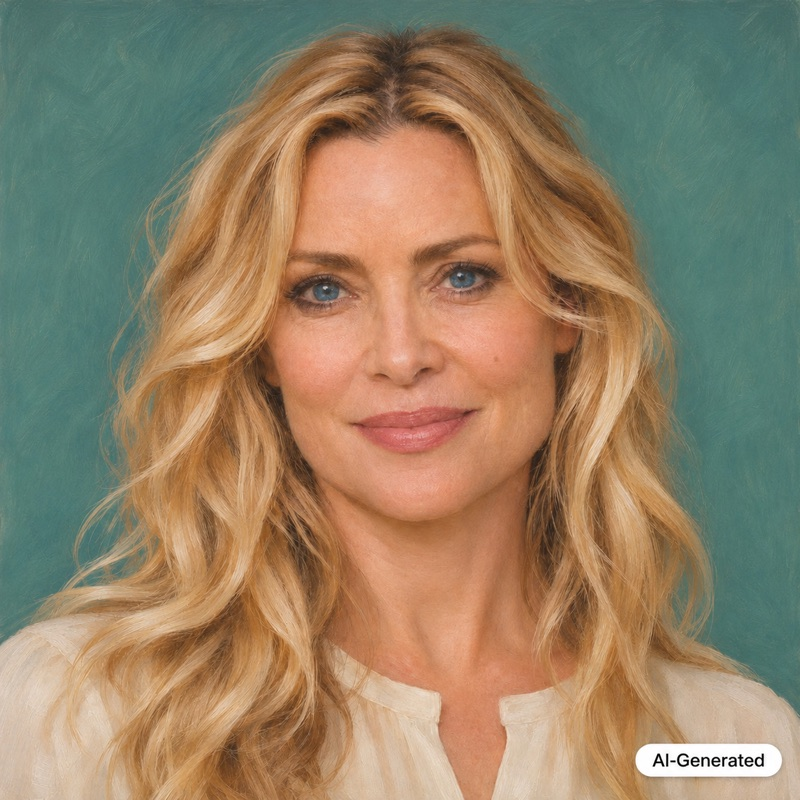
Artwork: Original AI-generated portrait of Olivia d’Abo created for Famous Faith; an illustration, not a photograph. No endorsement is implied.