People · Beliefs
Lorraine Bracco
Lorraine Bracco’s career connects Goodfellas, The Sopranos, and a forceful mayor on Blue Bloods. Her memoir adds a personal voice to the public image, while her current religious beliefs require care rather than assumption.
- Blue Bloods role
- Mayor Margaret Dutton
- The Sopranos role
- Dr. Jennifer Melfi
- Goodfellas role
- Karen Hill
- Memoir
- On the Couch, published in 2006
Lorraine Bracco’s Mayor Margaret Dutton arrived in Blue Bloods as someone prepared to challenge Frank Reagan. CBS introduced the character in the eighth-season premiere, “Cutting Losses,” making the disagreement between commissioner and mayor part of the story from the outset.
For viewers who already knew Bracco from Goodfellas or The Sopranos, that authority was familiar. Her work and writing offer a substantial personal story, while questions about Lorraine Bracco’s religion need evidence beyond her characters and Italian American identity.
Karen Hill, Jennifer Melfi, and other screen lives
Bracco’s performance as Karen Hill in Martin Scorsese’s Goodfellas brought an Academy Award nomination. The character occupies an intimate position in a criminal world, giving the audience access to a marriage as well as the public life surrounding it.
On The Sopranos, she took a markedly different position as Dr. Jennifer Melfi, the psychiatrist treating Tony Soprano. A role built around listening still requires an active performance: a response, a pause, or a question can change the direction of a scene without becoming a long speech.
Her official career record also includes Angela Rizzoli in Rizzoli & Isles, the voice of Sophia the Seagull in Disney’s Pinocchio, and film work including The Union and Monster Summer. The credits place crime drama alongside comedy, voice acting, and other kinds of storytelling.
Nonnas offered another ensemble and a different tone. Netflix identifies Bracco as Roberta in the film, which follows a man opening a restaurant with grandmothers as its cooks. Working alongside performers including Talia Shire, Brenda Vaccaro, and Susan Sarandon, she became part of a story centered on food, memory, and a new beginning.
A memoir and a mayor’s disagreements
Her 2006 memoir, On the Couch, brought the conversation beyond fictional people. The publisher describes Bracco’s account of depression, treatment, family difficulties, and her determination to be a good mother. She wrote about seeking help while many viewers knew her through the composed professional she portrayed on television.
That distinction between performer and character is valuable. Playing a psychiatrist does not make someone immune to personal suffering. Publishing a memoir gave Bracco room to speak in her own voice, rather than leaving an audience to imagine her life from the part.
On Blue Bloods, Dutton’s disagreements with Frank included policy as well as personality. CBS’s description of “The Forgotten” places them at odds over the mayor’s decision concerning solitary confinement in prisons. Those conflicts serve a drama about public responsibility; they should not be treated as announcements of Bracco’s own political platform.
Together, the memoir and the acting credits show different ways of telling a story. One involves an individual choosing what to reveal about her experience. The other asks a performer to inhabit somebody else. Understanding that difference helps readers approach both with appropriate care.
What is established about her current faith?
The reliable sources reviewed for this profile do not establish a clear current religious affiliation or personal Christian profession from Bracco. Broad celebrity faith labels without a supporting statement from her are not enough to settle the question.
Her cultural background does not establish present belief. Neither do Karen Hill’s religion, the moral world of The Sopranos, or a fictional mayor’s decisions. Bracco’s account of seeking help is evidence of what she has chosen to discuss about her life; it should not be converted into an unsupported theology.
Beyond the Spotlight
A public role can look composed while the person playing it faces real struggles. Famous Faith’s Christian perspective begins with a God who sees the whole person. He is loving and holy; human dignity does not depend on maintaining a convincing appearance of strength.
The Ten Commandments expose our shared sin, including lying, coveting, dishonoring God, and failing to love others. The writer shares the reader’s need for mercy. Sin is a breaking of God’s law, and Scripture warns of judgment and hell. Neither professional success nor enough good deeds can remove our guilt.
Jesus Christ, the sinless Son of God, was crucified for sinners and rose bodily from the dead. Through him forgiveness comes by grace through faith, not as a reward for religious activity or improved behavior. God’s love is demonstrated in Christ rather than earned by a flawless public image.
Repentance means turning from sin toward God with a changed mind and heart, learning to trust that love. Changed conduct is a fruit of trust, never the price of salvation. Honest questions and struggles are welcome. This is Famous Faith’s invitation, not a claim that Bracco shares these convictions or a verdict on her private heart.
Sources
- Lorraine Bracco — official biography and filmography
- On the Couch — official Penguin Random House book page
- Margaret Dutton’s introduction — official CBS announcement, 2017
- The Forgotten — official CBS episode synopsis
- Nonnas cast — official Netflix Tudum guide
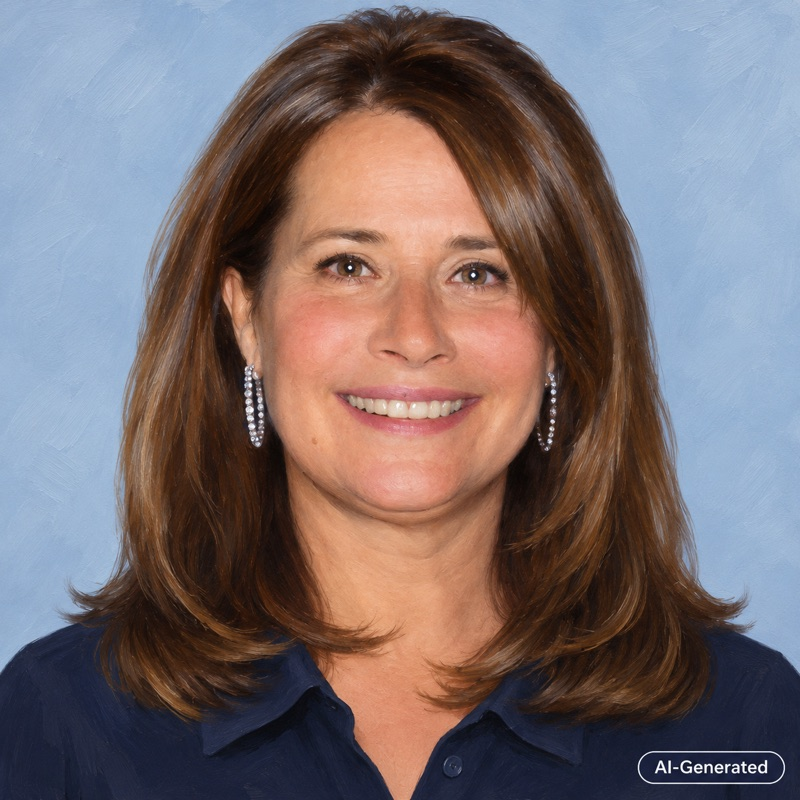
Artwork: Original AI-generated portrait of Lorraine Bracco created for Famous Faith; an illustration, not a photograph. No endorsement is implied.