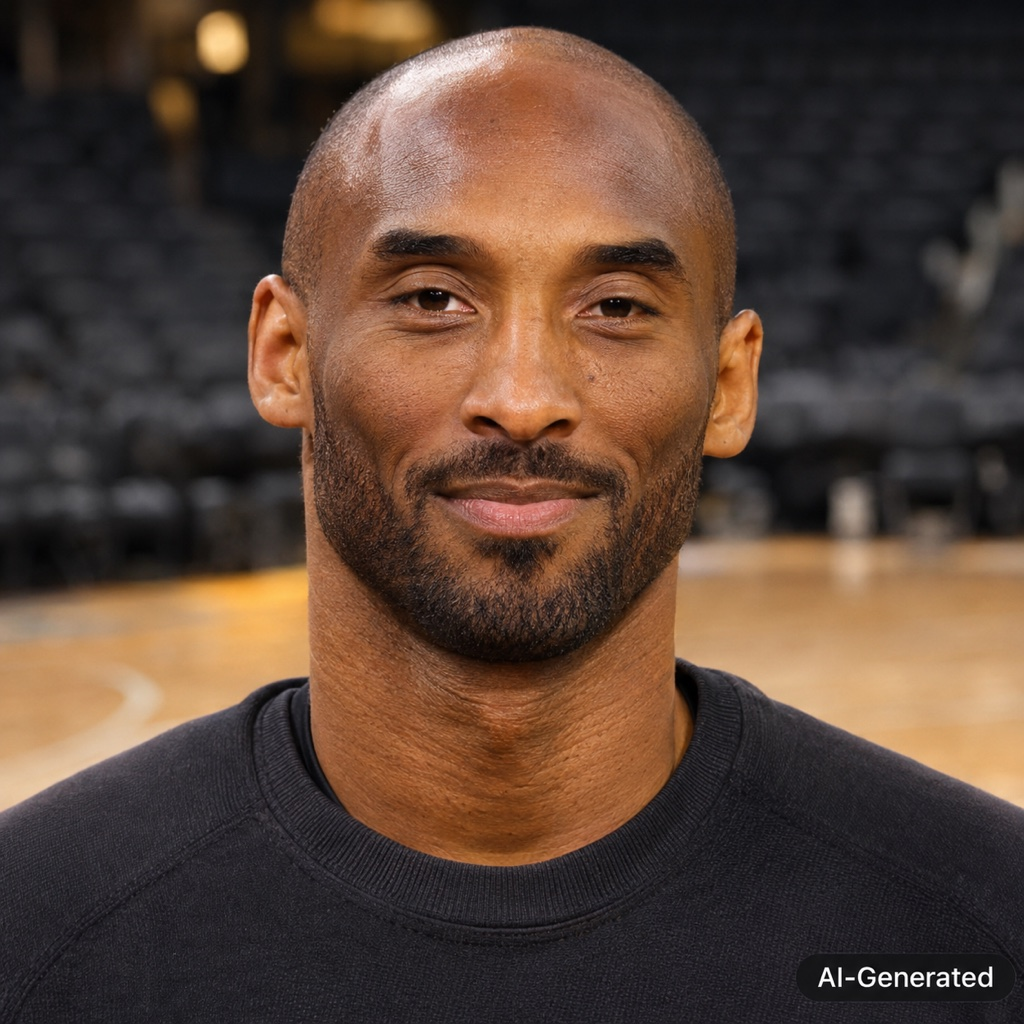
Kobe Bryant publicly identified as Catholic. He discussed being raised in the faith, raising his children as Catholics, and seeking guidance from a priest during a troubled period in his life. Bryant died on January 26, 2020, so his religious history should be described in the past tense and with care about what the public record can establish.
A familiar name and a human life
Bryant’s career with the Los Angeles Lakers made him one of basketball’s most recognizable figures. His name continues to evoke discipline, competition, memorable performances, and the pursuit of excellence. For people who followed him closely, however, questions about his life extend beyond what happened on a basketball court. Religion is one part of that larger history, and it should be considered through sources rather than through a polished legend.
OC Catholic’s January 2020 report identified Bryant as a parishioner in the Diocese of Orange and described his Catholic family background. The report also noted the helicopter crash that killed Bryant, his daughter Gianna, and seven other people. Those facts make both accuracy and compassion especially important when discussing a life that ended suddenly.
What Bryant said about being Catholic
In his 2015 GQ interview, Bryant explicitly identified himself and his children as Catholic and described receiving guidance from a priest.
The conversation concerned serious allegations against him. His recollection of pastoral advice was his personal account, not an independent finding about the allegations or a complete assessment of his life.
Faith and a complicated legacy
The Diocese of Raleigh’s report on Bryant’s faith also discussed his public comments about relying on Catholic belief during difficult personal circumstances. Together with the interview and diocesan reporting, this supports a straightforward historical description: Bryant was publicly Catholic and spoke about faith as meaningful in his life.
It does not require a reader to make every part of his biography simple. A public profession of faith and a complicated human story can both be acknowledged. Honest remembrance leaves room for achievement, responsibility, grief, and unanswered questions. A faith profile should identify its sources, attribute personal claims, and acknowledge what it cannot establish. Remembering a person truthfully takes more care than assembling either a flattering image or a list of accusations.
Why mourning should not become a spiritual verdict
When a famous person dies, audiences often reach for certainty. Some declare the person’s eternal destiny with confidence; others use the moment to issue a sweeping condemnation. Neither response is justified by a few interviews. Public sources can document affiliation and testimony. They cannot reveal everything about repentance, belief, or a person’s final days before God. Asking what someone publicly believed is different from claiming complete knowledge of that person. Maintaining that distinction protects truth and the dignity of those who can no longer answer questions for themselves.
The death of a well-known athlete also exposes the limits of the identities people build around success. Recognition cannot guarantee another morning, and physical ability cannot remove human mortality. That observation should produce humility rather than spectacle. Those grieving a loss are human beings before they are part of a public story, and their grief deserves respect.
What the gospel says about hope
Christian hope rests on Jesus Christ rather than on the strength of a person’s reputation. The Bible says that all have sinned and fall short of God’s glory (Romans 3:23). Religious people and admired people share that need for forgiveness with everyone else. Jesus, God’s Son, lived without sin, died for sinners, and rose bodily from the dead, as summarized in 1 Corinthians 15:3–4.
Salvation is God’s gift, received by grace through faith and not earned by works, sporting excellence, or membership in a religious tradition (Ephesians 2:8–9). Repentance means turning from sin toward God. These promises direct attention to the Savior rather than to a celebrity’s image or an audience’s ability to judge another soul.
The answer about Bryant’s religion can therefore remain clear without reaching beyond the evidence: he publicly identified as Catholic and discussed seeking spiritual guidance. For readers, his story also raises questions that fame cannot answer for us. What is our own hope in the face of death, and where are we looking for the forgiveness that every human being needs?
Sources
- GQ: Kobe Bryant’s 2015 interview
- OC Catholic: The Catholic faith of Kobe Bryant
- Diocese of Raleigh: Bryant’s public account of Catholic faith
Image disclosure: AI-generated editorial portrait representing Kobe Bryant, created for Famous Faith; not a photograph. The setting is illustrative and does not document an actual event. No endorsement implied.