Life · Work · Beliefs
Dick Hoak
Forty-five seasons with Pittsburgh made him a quiet link between generations of championship teams.
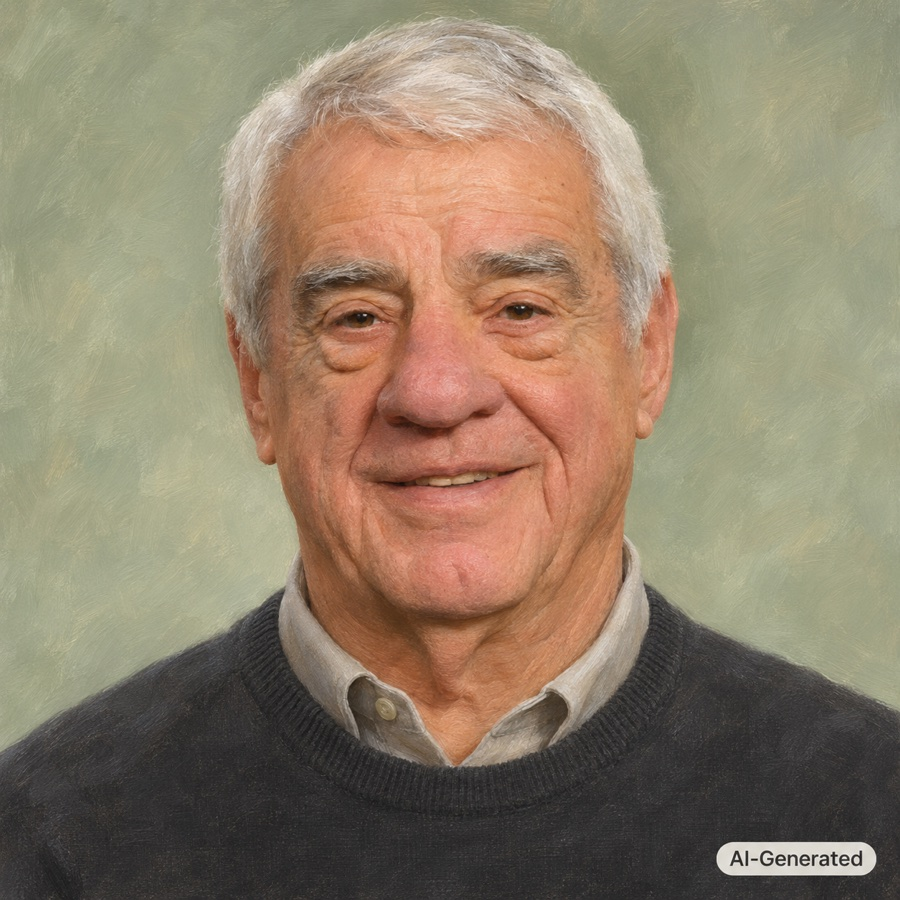
Dick Hoak helped generations of Pittsburgh running backs do their best work while spending most of his own career outside the spotlight. His football life stretched from carrying the ball for the Steelers to teaching players who would help win five Super Bowls.
Hoak died on November 11, 2026, at 86. The Steelers confirmed his death in their November 11 tribute. Team president Art Rooney II also issued an official statement remembering his service as a player and coach. Independent coverage from Steelers Depot reported the death that day.
A football life rooted in Pittsburgh
Hoak grew up in Jeannette, Pennsylvania, and became a standout at Penn State. Pittsburgh selected him in the seventh round of the 1961 NFL draft. He spent ten seasons playing for the Steelers, then returned to the organization as a coach. His association with the team eventually covered 45 seasons. NFL Alumni’s career retrospective traces that unusually long relationship.
As a player, Hoak finished with 3,965 rushing yards. His later work helped shape backfields featuring Franco Harris, Rocky Bleier, Jerome Bettis and Willie Parker. He was part of Pittsburgh’s inaugural Hall of Honor class in 2017. The Pro Football Hall of Fame recognized his coaching with an Award of Excellence in June 2025; that award is distinct from election to the Hall as an enshrinee. These milestones appear in the team’s remembrance.
The craft behind the championships
Hoak was the only assistant retained when Bill Cowher succeeded Chuck Noll. His five championship rings and decades coaching running backs made him a link between very different eras of Steelers football. NFL Alumni also records that he declined a head-coaching opportunity in the rival USFL because he felt loyal to the Rooney family.
His own explanation of coaching was practical. In a 2008 interview with Behind the Steel Curtain, he described teaching skilled runners the less visible parts of their jobs: catching passes, protecting the quarterback, understanding defenses and recognizing coverage. He also remembered Rocky Bleier’s hard work and ability to understand different assignments. The details show a teacher who respected talent while helping players become more complete.
What was Dick Hoak’s religion?
The reliable public material reviewed for this profile does not establish Hoak’s denomination or provide a clear personal account of his Christian faith. A recollection from Jerome Bettis describes coaching that encouraged players to use abilities God had given them. That is relevant background, but it does not settle Hoak’s personal beliefs.
A team’s expression of prayer or a colleague’s affectionate memory cannot establish someone else’s religious identity. We can describe the loyalty his colleagues remembered while leaving room for what the public record does not tell us.
Beyond the Spotlight
Hoak’s story offers a natural reason to value patient work that helps other people succeed. The following reflection is Famous Faith’s Christian perspective, not a statement of what Hoak believed.
The Bible teaches that God is holy, loving and just. His moral standard applies to everyone, whether our work brings public honors or goes unseen. The Ten Commandments expose the problem we share: we have lied, coveted, dishonored others and failed to put God first. Sin means breaking God’s law, and the writer of this article needs mercy as much as any reader does.
Good character matters, but it cannot erase guilt before God. Scripture warns of judgment and hell, a serious reality that should move Christians toward compassion rather than pride. A person’s achievements or reputation cannot earn salvation.
The Christian message centers on Jesus Christ, the sinless Son of God. He died on the cross for sinners and rose bodily from the dead. Through him, forgiveness and eternal life are offered by grace, received through faith rather than earned through good works (Ephesians 2:8–10).
God calls us to repent and trust Christ. Repentance is a changed mind and heart that turns from sin toward God, learning to trust the love he has shown through Jesus. A changed life follows that trust; it does not purchase forgiveness. Honest questions and struggles need not keep someone from seeking him.
We cannot pronounce Hoak’s eternal destiny. We can remember his life respectfully and consider the hope Christ offers each of us. For further reflection, visit the Good Person Test.
Sources
Pittsburgh Steelers: Bob Labriola’s remembrance, November 11, 2026; Art Rooney II’s statement, November 11, 2026; Steelers Depot: Scott Brown’s report, November 11, 2026; NFL Alumni career retrospective, June 23, 2025; Behind the Steel Curtain: Tim Gleason interview, September 23, 2008.
Image credit: Original AI-generated portrait of Dick Hoak, created for Famous Faith. Illustration, not a photograph. No endorsement is implied.