The profile · Actor; Luis Molina, Tom Grunick, and Thaddeus Ross
William Hurt
A theater-trained actor whose quiet choices could make a small role carry unusual weight.
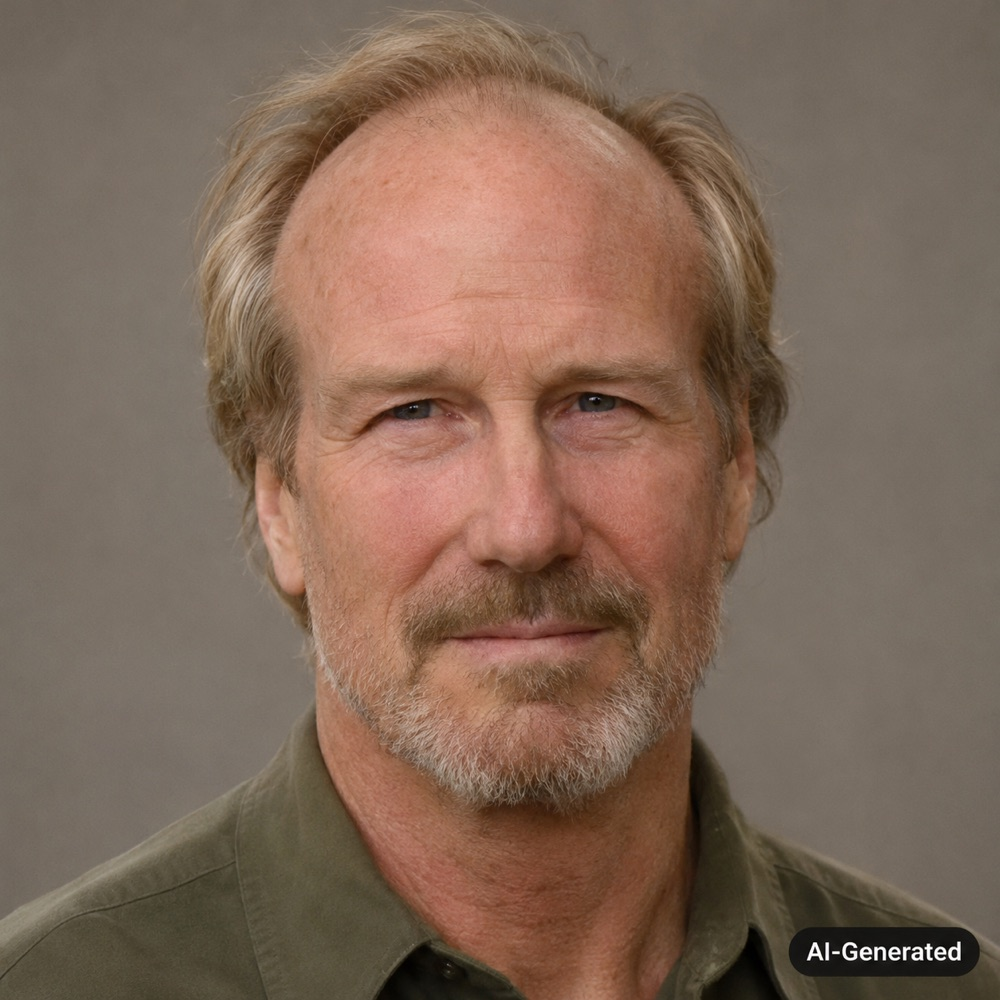
- Lived
- March 20, 1950 – March 13, 2022[1]
- Education
- Tufts University and Juilliard[2]
- Oscar win
- Kiss of the Spider Woman[3]
- Stage background
- Circle Repertory Company[1]
The person behind the work
The stage came before the close-up
William Hurt studied theology at Tufts University before training as an actor at Juilliard. Theater remained important throughout his life. The British Film Institute’s account of his career describes early work with Circle Repertory and an Obie Award in 1978. His screen debut followed in Altered States in 1980, after years of learning to work in front of a live audience.[2][1]
During the mid-1980s he received three consecutive Academy Award nominations for leading performances: Kiss of the Spider Woman, Children of a Lesser God, and Broadcast News. He won for the first. The parts were different enough to make the run especially revealing. A viewer could not simply expect the same personality to appear in a new setting.[1][3]
A career in range
Selected work, at a glance
1986
Children of a Lesser God
James Leeds
The next film in his run of leading-actor Oscar nominations.[1]
The person behind the work
Building what the audience will only partly see
In an interview with Roger Ebert about The Accidental Tourist, Hurt described acting through the image of an iceberg. The visible part depends on work beneath the surface. He also spoke about listening carefully and finding freedom within the small range director Lawrence Kasdan had set for the character. A quiet performance can require precise choices rather than an absence of effort.[5]
Later roles included a brief but forceful turn in A History of Violence and a continuing place in the Marvel films as Thaddeus Ross. Supporting work gave him fewer scenes without necessarily making the character less memorable. His record includes stage, film, television, and narration; no single late role can stand in for the full career.[2][1]
A closer look
Three ways into the work
Kiss of the Spider Woman
A defining award-winning performance, and a useful reminder that his career’s center was established long before the later blockbuster supporting roles.[3]
Broadcast News
Tom’s professional confidence lets the film examine what a camera rewards. Hurt’s work helps distinguish looking ready for a job from understanding its responsibilities.[1]
The Accidental Tourist
His comments to Ebert make this a helpful film for thinking about restrained acting. Listening, limits, and small shifts can build a character without large gestures.[5]
Education and private belief
A subject he studied, not a label to assume
Theology was part of Hurt’s education. It is an interesting detail because it places questions about God and meaning early in the story, before his formal actor training. But a college subject is not a personal testimony. The sources used here do not justify assigning him a denomination or claiming that studying theology settled what he believed throughout his adult life.[2]
Listen to the person
In their own words
Interview about The Accidental Tourist
“Acting is building the tip of the iceberg”
Famous Faith’s Christian perspective
Beyond the Spotlight
Hurt’s iceberg image gives a useful way to think about a life, too. We see only part of another person. Christians should therefore be slow to claim knowledge of a stranger’s soul. God, however, knows the hidden part as well as the visible one. That is both a serious truth and the reason an honest person does not need to perform for him.
The Ten Commandments forbid lying, stealing, adultery, and coveting, and call us to honor God (Exodus 20). First John 3:4 calls sin the breaking of God’s law. The standard reaches beneath a polished surface and applies to each of us. Jesus warned about judgment and hell. We should speak of that with humility and concern, never as a chance to announce a verdict on the person whose biography we have read.
The gospel points to the mercy God has provided. Jesus Christ, his Son, lived a sinless human life, died on the cross for our sins, and rose bodily from the dead. Through him God offers forgiveness and eternal life. Salvation is a gift of grace received through faith, not something earned by studying religion, being talented, or comparing ourselves favorably with others (Romans 5:8; Ephesians 2:8–9).
Repentance is a turn of mind and heart away from sin and resistance to God. We begin trusting the God who has made himself known through Jesus and has shown his love to people who need mercy. It normally changes our actions as well: we learn to tell the truth, seek forgiveness, and care for people we have hurt or overlooked. Those are responses to mercy, not its price. Growth can be slow and still have a real new direction when our trust is in Christ.
If there are parts of your own life you keep out of view, you can bring them honestly to God. Ask Christ for forgiveness and help. Read the Gospels and seek a faithful church that teaches truth with patience. The Christian promise is not that we can make the hidden record disappear ourselves, but that Jesus is able to forgive and make us new.
Consider the Good Person Test and the hope of forgiveness →
This section shares Famous Faith’s Christian beliefs. It does not speak for William Hurt.
People connected to the story
Follow the connections
From the directory
Harrison Ford
Ford later took over the screen role of Thaddeus Ross after Hurt’s death.[4]
Read the profile →
Robert Downey Jr.
Both appear in the wider Marvel film story, including Civil War.[4]
Read the profile →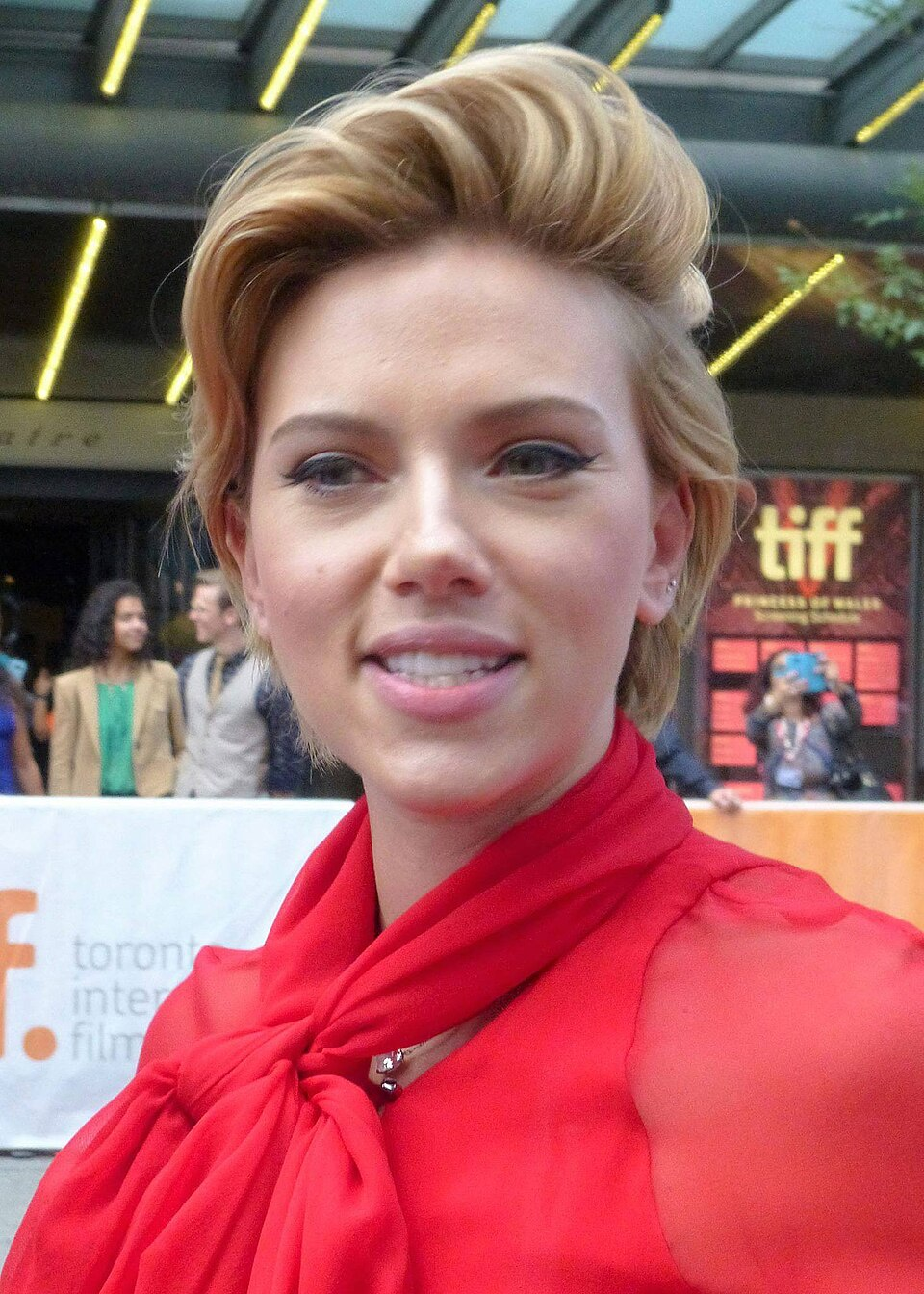
Sources and further reading
- BFI: William Hurt obituary
- Oregon Encyclopedia: William Hurt
- Academy: 1986 Oscar winners and nominees
- William Hurt: filmography and Thaddeus Ross reference
- Roger Ebert: The Elusive William Hurt
Artwork: Original AI-generated portrait of William Hurt, created for Famous Faith; not a photograph. The other AI-generated portraits shown here were also created for Famous Faith. No endorsement is implied.
Photograph: Robert Downey Jr. by Gage Skidmore, via Wikimedia Commons, CC BY-SA 2.0. Cropped to a square card for display.

Photograph: Scarlett Johansson by GabboT, via Wikimedia Commons, CC BY-SA 2.0. Cropped to a square card for display.

Film and book titles identify the works discussed. A career credit is not a recommendation that every reader watch or read that work.