The profile · Actor; Wilm Hosenfeld, Captain Englehorn, and Baron Strucker
Thomas Kretschmann
A former competitive swimmer who crossed borders before building an international acting career.

- Born
- September 8, 1962[1]
- Birthplace
- Dessau, then East Germany[1]
- Early discipline
- Competitive swimming[2]
- International landmark
- The Pianist (2002)[2]
The person behind the work
Before acting, a demanding sports system
Thomas Kretschmann spent much of his youth training as a swimmer in East Germany. In interviews he described long days in the pool and little room for the ordinary childhood he saw others having. He eventually left competitive sport and turned toward acting. The experience helps explain why freedom and a change of direction recur in his account of his early life.[3][2]
He later escaped East Germany. In a 2002 interview, he described traveling through Hungary, Yugoslavia, and Austria rather than attempting the heavily guarded direct crossing. A contemporary press account also records his reference to the escape in 1983. His route to international films therefore began with a real break from the system in which he had grown up.[2][4]
A career in range
Selected work, at a glance
1993
Stalingrad
Hans von Witzland
An early major film about German soldiers during the Second World War.[1]
2002
The Pianist
Wilm Hosenfeld
An officer’s decision to help becomes a crucial moment in a survival story.[2]
2004
Downfall
Hermann Fegelein
Another historical figure, with very different conduct from Hosenfeld.[1]
2015
Avengers: Age of Ultron
Baron Wolfgang von Strucker
A fictional scientist and antagonist, distinct from the actor’s beliefs.[1]
The person behind the work
The power of a listening scene
In The Pianist, Kretschmann played German officer Wilm Hosenfeld, who helps the Jewish musician Władysław Szpilman. Kretschmann described the scene in which he listens to Szpilman play as the key chance to reveal the man. The work lay in what passed across his face while he sat still. It is a strong example of acting that depends on attention rather than a long speech.[2]
His international filmography also includes Stalingrad, King Kong, Valkyrie, and Indiana Jones and the Dial of Destiny. A German accent and military costume can make several roles look alike from a distance, but the people are not interchangeable. Hosenfeld’s choice to help another human being is morally different from the aims of Baron Strucker in the Marvel films.[1]
A closer look
Three ways into the work
The Pianist
Watch the listening as carefully as the dialogue. Kretschmann’s own description of the piano scene shows how much of a character can be carried in stillness.[2]
King Kong
A useful change in scale and genre. Captain Englehorn places him in a large adventure rather than a story rooted in European war history.[1]
Stalingrad
This earlier role belongs in the path to his international career. It helps show how long he had been working before many English-speaking viewers first knew his face.[1]
A clear boundary between person and role
Responsibility is not a religious declaration
Kretschmann spoke about personal responsibility and his own escape when discussing The Pianist. Those comments do not give us a complete personal creed. Hosenfeld was a real person with his own convictions, and Baron Strucker is a fictional villain. Neither role should be used to assign the actor a religion. The verified life story is already striking without that extra claim.[2][1]
Listen to the person
In their own words
2002 interview
“It’s about going on. It’s about life.”
Famous Faith’s Christian perspective
Beyond the Spotlight
Kretschmann’s account of freedom and his performance in The Pianist lead naturally to questions of responsibility. A person can be shaped by a system and still face choices about how to treat a neighbor. Christians believe every human life has worth because people bear God’s image. That belief should lead to courage and care, especially when another person is vulnerable.
It also keeps us from excusing the smaller wrongs in our own lives. The Ten Commandments forbid murder, stealing, lying, and coveting (Exodus 20). We can break God’s law without ever holding a weapon or wearing a uniform. First John 3:4 calls that sin. Jesus warned about judgment and hell. Christians should speak about it as people in need of rescue, not as spectators pleased to condemn someone else.
The rescue is Jesus Christ, God’s Son. He became human, lived without sin, died on the cross for our sins, and rose bodily from the dead. Through him God offers forgiveness and life. Salvation is a gift of grace received through faith, not a medal earned for courage or a reward for being less guilty than another person (Romans 3:23–24; Ephesians 2:8–9).
Repentance means turning our mind and heart from sin and resistance to God. In place of that resistance, we learn to trust the God who has made his love known to us through Jesus Christ. That change normally takes shape in behavior: truth instead of excuses, a wish to repair harm, and greater love for people we once ignored. These are results of grace rather than a price paid for it. Christ welcomes people who come honestly, including those who do not yet know how to change every part of their lives.
A reader can begin with that honest step. Ask Christ for forgiveness, trust his death and resurrection, and seek wise help to follow him. There is room for questions and for steady growth. The Christian promise does not depend on living an extraordinary escape story; it reaches the ordinary choices each of us makes today.
Consider the Good Person Test and the hope of forgiveness →
This section shares Famous Faith’s Christian beliefs. It does not speak for Thomas Kretschmann.
People connected to the story
Follow the connections
From the directory
Tom Cruise
They appear in Valkyrie, on different sides of its central plot.[1]
Read the profile →From the directory
Harrison Ford
They share Indiana Jones and the Dial of Destiny.[1]
Read the profile →Sources and further reading
- Thomas Kretschmann: biography and filmography
- AboutFilm: Kretschmann discusses The Pianist and his escape
- Spirit: interview with Thomas Kretschmann
- Axel Springer press account: Kretschmann on his 1983 escape
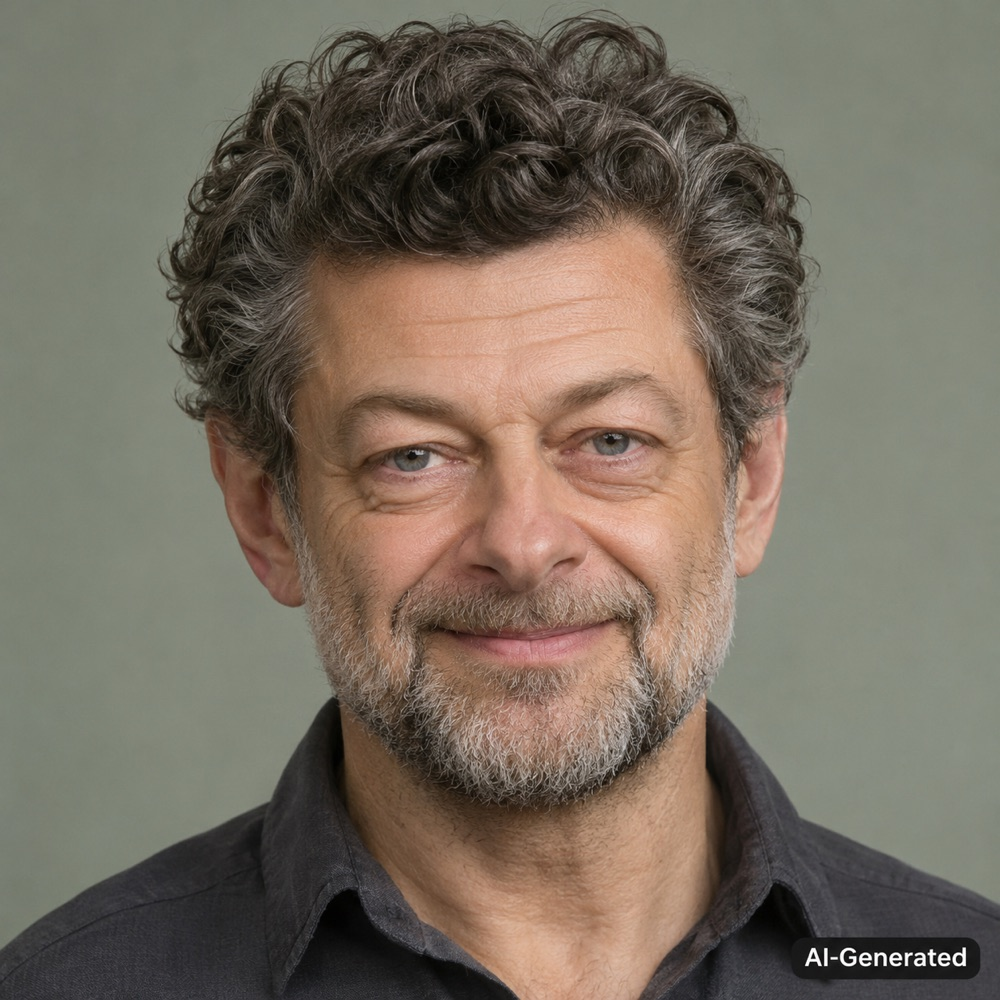
Artwork: Original AI-generated portrait of Thomas Kretschmann, created for Famous Faith; not a photograph. The other AI-generated portraits shown here were also created for Famous Faith. No endorsement is implied.
Film and book titles identify the works discussed. A career credit is not a recommendation that every reader watch or read that work.