The profile · Actor, comedian, and physician
Ken Jeong
Ken Jeong was practicing medicine while performing comedy at night. His path did not require forgetting one life to invent another: a doctor’s training and a performer’s persistence both became part of the story.
- Education
- Duke, Class of 1990[1]
- Medical degree
- University of North Carolina at Chapel Hill[1]
- Early comedy milestone
- Won the 1995 Big Easy Laff Off[1]
- Television work
- Community, Dr. Ken, and The Masked Singer[2]
The person behind the work
Two callings on the same calendar
Ken Jeong graduated from Duke in 1990 and earned his medical degree at the University of North Carolina at Chapel Hill. The two paths overlapped long before comedy became his full-time public identity.[1]
Duke’s 2024 account places a turning point in his sophomore year: his first acting class made him consider a different future while pursuing zoology. Performance was part of his student life, rather than an interest that appeared only after medicine.[3]
During his medical residency in New Orleans, he won the Big Easy Laff Off in 1995. He later moved to Los Angeles, continued practicing medicine, and performed in improv and comedy. That overlap is a useful correction to a simple overnight-success story. A new working life was being built around an existing one.[1]
His first feature film appearance was as a doctor in Knocked Up. The Hangover made him familiar to a much larger audience, while Community gave him the long-running role of Ben Chang. The parts are fictional and often outrageous; they do not describe the whole personality of the person who played them.[4]
A career in range
Selected work, at a glance
A broader public voice
The practical history behind the comedy
Dr. Ken turned elements of Jeong’s medical experience into a sitcom. Other work moved toward voice acting and unscripted television, including The Masked Singer. Tulane’s 2022 commencement announcement describes the several jobs together: actor, producer, writer, and doctor.[2]
When Jeong returned to speak to Duke’s delayed Class of 2020 graduation in 2021, he spoke with visible affection for the school and its students. It is a different public setting from playing a reckless character for a laugh. The university’s account emphasizes belonging and support rather than a polished story of individual triumph.[1]
That distinction is worth keeping. Comedy can exaggerate someone’s worst impulse until it becomes absurd. A commencement address asks a person to say what they actually want to pass on. Both use performance, but they have different purposes and should be heard in their own settings.
A closer look
Three ways into the work
Notice the ensemble rhythm in Community
A recurring comic character can keep changing while the audience remembers earlier versions. Watch how the group’s reactions help make Chang’s behavior funny. The series contains adult jokes and mature themes.
Compare a sitcom with its real-life starting point
Dr. Ken turns a profession into a comic setting. It is useful to distinguish the recognizable pressures of work and family from the exaggeration needed to build a joke.
Listen to the person in the graduation address
Jeong’s Duke address gives another use of his timing. Humor makes room for an earnest message about belonging and support. It is a different kind of performance from a fictional character.
Belief in context
What the public accounts explain
The sources here are clear about Jeong’s education, medicine, and comedy, but do not clearly name his personal religion. Phrases about taking a leap of faith in a career story are not, by themselves, a description of worship. His own words about supporting students offer a more concrete starting point.
Listen to the person
In their own words
2021
“Whatever you need, I am always here for you.”
Famous Faith’s Christian perspective
Beyond the Spotlight
Jeong’s path makes the effort behind a second career visible. It also shows how a public image can leave much of a person out. The Bible takes that wider view of human beings: our work matters, but it is not the full measure of our worth or of our need for God.
Sin is not only the kind of outrageous behavior a comedy puts on screen. First John 3:4 calls it the breaking of God’s law. The Ten Commandments forbid lying, stealing, adultery, and coveting, and call us to honor God. Jesus also names the anger and lust that can remain hidden in an ordinary, respectable day. Every person, including a professional who helps others, needs forgiveness.
Jesus warned about judgment and hell. That warning should be shared with concern, not as a punch line or a reason to look down on someone. God has shown love in Jesus Christ, his Son. Jesus lived without sin, died on the cross for sinners, and rose bodily from death. Forgiveness comes through faith in him by grace. It is not earned by a degree, an act of service, or the approval of an audience.
Repentance is a turn of mind and heart from sin and our resistance to God. It includes learning to trust who he is and the love he has shown through Jesus Christ. That new direction normally leads to changed choices: a truth admitted, a harmful habit resisted, or a relationship treated with greater care. We do not buy salvation by those changes. We trust Christ and learn to live as people who have received mercy. Honest questions are welcome, and needing help is not a failure to hide. The invitation is to receive forgiveness and begin a new direction with God.
Explore the Good Person Test and the promise of forgiveness →
This section shares Famous Faith’s Christian beliefs. It does not speak for Ken Jeong.
People connected to the story
Follow the connections
Bradley Cooper
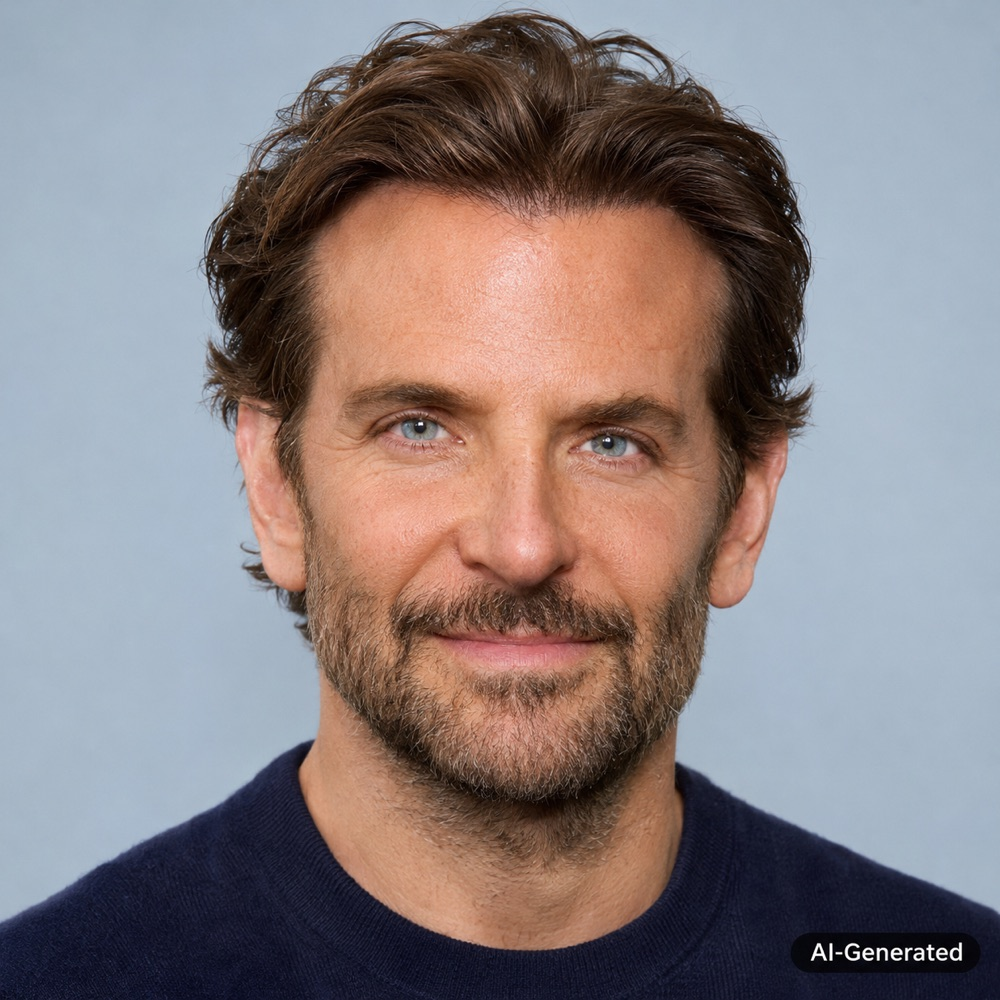
They share The Hangover films, a major point of recognition in both careers.
Read the profile →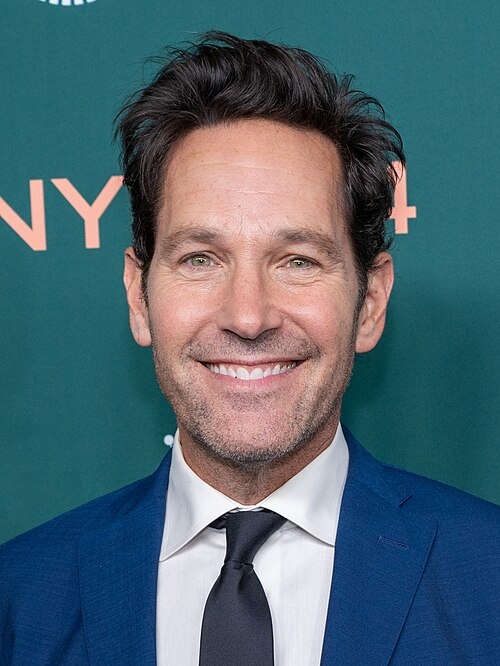
Paul Rudd
Rudd and Jeong appear in Role Models. It is a connection outside the large superhero ensemble films.
Read the profile →
Chris Evans
They share an Endgame credit, with Jeong making a brief appearance as a storage-facility guard.
Read the profile →Sources and further reading
- Duke Centennial — Ken Jeong
- Tulane — Ken Jeong and the 2022 graduates
- Duke Today — Getting serious with Ken Jeong
- Ken Jeong — Film and television credits
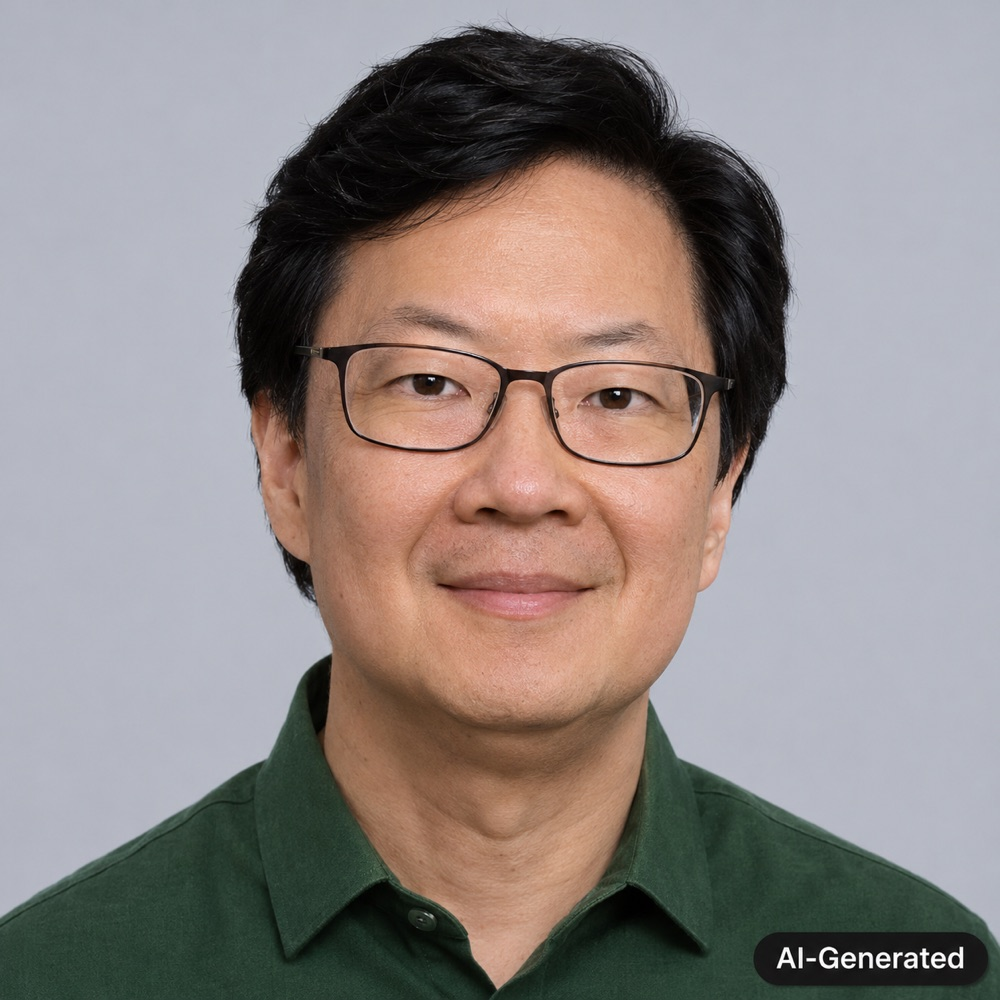
Artwork: Original AI-generated portrait of Ken Jeong, created for Famous Faith; not a photograph. The other AI-generated portraits shown here were also created for Famous Faith. No endorsement is implied.
Photograph: Paul Rudd by Bryan Berlin, via Wikimedia Commons, CC BY-SA 4.0. Cropped to a square card for display.

Photograph: Chris Evans by Gage Skidmore, via Wikimedia Commons, CC BY-SA 2.0. Cropped to a square card for display.

Film and book titles identify the works discussed. A career credit is not a recommendation that every reader watch or read that work.