The profile · Actor, director, and producer
Bradley Cooper
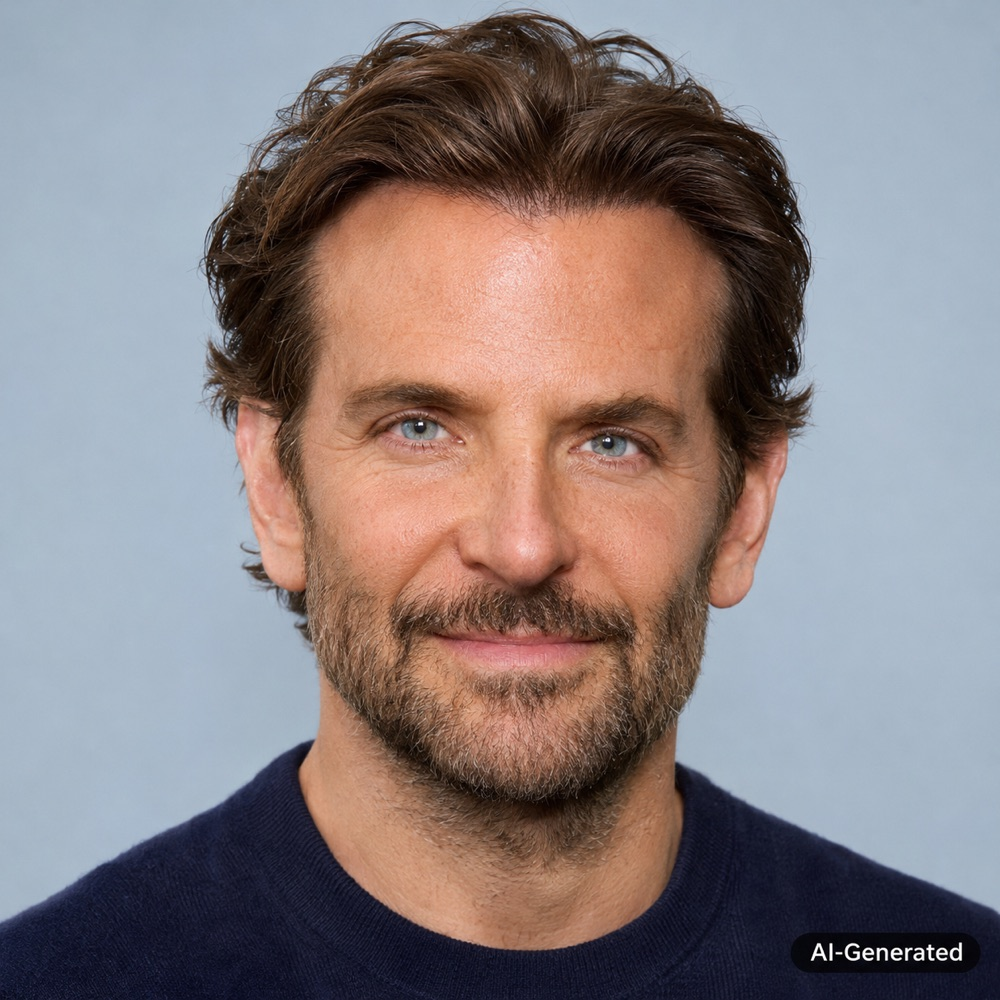
Bradley Cooper’s career connects a Georgetown theater group, broad comedy, demanding stage work, voice acting, and films he directs himself. His story is less a straight climb than a series of attempts to learn a new part of the job.
- Education
- Georgetown, Class of 1997[1]
- Studies
- English major; French minor[1]
- Directing debut
- A Star Is Born (2018)[2]
- Another medium
- The Elephant Man on stage[3]
The person behind the work
A goal that took another attempt
Bradley Cooper did not enter Georgetown on his first application. He transferred there after attending Villanova, then graduated in 1997. At Georgetown he studied English, minored in French, performed with Nomadic Theatre, and sang in the university’s gospel choir. Those details add a wider background to a career often introduced through a single film.[1]
When he returned to campus in 2018, Cooper connected the persistence it took to attend Georgetown with making A Star Is Born. Both had once seemed like difficult goals. A college adviser also published a letter Cooper had sent after graduation, when he was studying at the Actors Studio MFA program in New York. The letter is a small, direct record of someone beginning to take his work seriously.[1][4]
His screen career grew through supporting comedy roles and the success of The Hangover. Later parts in Silver Linings Playbook, American Hustle, and American Sniper gave audiences different ways to see him. Those changes matter more than a simple label such as comedy star or dramatic actor.[2]
A career in range
Selected work, at a glance
2012
Silver Linings Playbook
Pat Solitano
A family and relationship story gave him a different kind of leading role.[2]
2014–2015 stage production
The Elephant Man
Joseph Merrick
A stage role built through the body as well as the voice.[3]
2018
A Star Is Born
Jackson Maine; director and co-writer
His first feature as director combines music, intimacy, and destructive pressure.[2]
2023
Maestro
Leonard Bernstein; director and co-writer
A portrait of an artist and a marriage, with music at its center.[2]
Performance and direction
Changing the tools without losing the story
In a 2015 Fresh Air interview, Cooper discussed the physical preparation for American Sniper and his work as Joseph Merrick in The Elephant Man. On stage, he had to suggest Merrick’s physical condition through performance rather than hiding the work under elaborate makeup. Putting the two projects beside each other makes his interest in physical acting easier to see.[3]
Directing adds another set of responsibilities. A Star Is Born was his feature directing debut; Maestro later placed him in the roles of director, writer, and Leonard Bernstein. A performer can concentrate on one character, while a director must also think about the frame, the pace, the people around that character, and the whole audience experience.[2]
That change of viewpoint is a useful way to explore the career. Watch how a musical scene creates closeness or distance. Then compare a role where he is only one part of the ensemble. The question is not whether every choice succeeds. It is what kind of story a choice makes possible.
A closer look
Three ways into the work
Hear the music as part of the scene
In A Star Is Born, a song can change a relationship rather than pause the story. Notice who is looking at whom, who feels exposed, and who seems in control. This is mature material, including addiction and suicide themes.
Compare the body language
American Sniper and The Elephant Man ask for very different physical work. The comparison helps reveal something a list of nominations cannot: how posture, movement, and stillness can shape a character before a line is spoken.
Watch the room in Maestro
A conducting sequence is also a scene about attention, effort, and the people sharing a space. Look beyond resemblance to Bernstein and consider how the film places its audience near the performance.
His public comments
Catholic roots, with a date attached
The Hollywood Reporter’s 2012 profile described Cooper’s Catholic family background. He called himself Catholic and said he still prayed daily. It is a clear public statement from that interview, rather than a guess based on the school he attended or the parts he has played.[5]
His letter to his former college adviser also closed with a blessing. That personal note helps show the language he used at the time, but it is not a complete account of his beliefs today. A person’s public work and private faith can both develop over many years.[4]
Listen to the person
In their own words
September 2012
“I’m Catholic in my bones”
Famous Faith’s Christian perspective
Beyond the Spotlight
Cooper’s path includes persistence, new skills, and a willingness to try a different kind of work. His comments about Catholic roots add another part of that history. The Christian message connects belief with the whole life, including what achievement cannot answer: how can a flawed person find peace with God?
The Bible begins by taking both love and justice seriously. God loves us, and his law shows where we have gone wrong. Sin is breaking that law (1 John 3:4). The Ten Commandments forbid lying, stealing, adultery, and coveting, and call us to honor God. None of us keeps them perfectly. Jesus warned of judgment and hell; those words deserve humble attention, never satisfaction at another person’s fear.
God’s Son, Jesus Christ, lived without sin, died on the cross for our sins, and rose bodily from the dead. Through faith in him, God gives forgiveness and new life. Grace is a gift, not another goal to achieve or a prize for a spotless religious record (Romans 6:23; Ephesians 2:8–9).
Repentance is an inward turn from sin and our resistance to God, with a changed mind and heart. We come to trust God’s goodness and the love he has shown us through Jesus Christ. That new direction usually changes our behavior over time. Readers can confess honestly, trust Christ as Lord and Savior, and receive his mercy. The growth that follows is a response to forgiveness: learning truth, love, and the courage to put wrongs right.
This section shares Famous Faith’s Christian beliefs. It does not speak for Bradley Cooper.
People connected to the story
Follow the connections
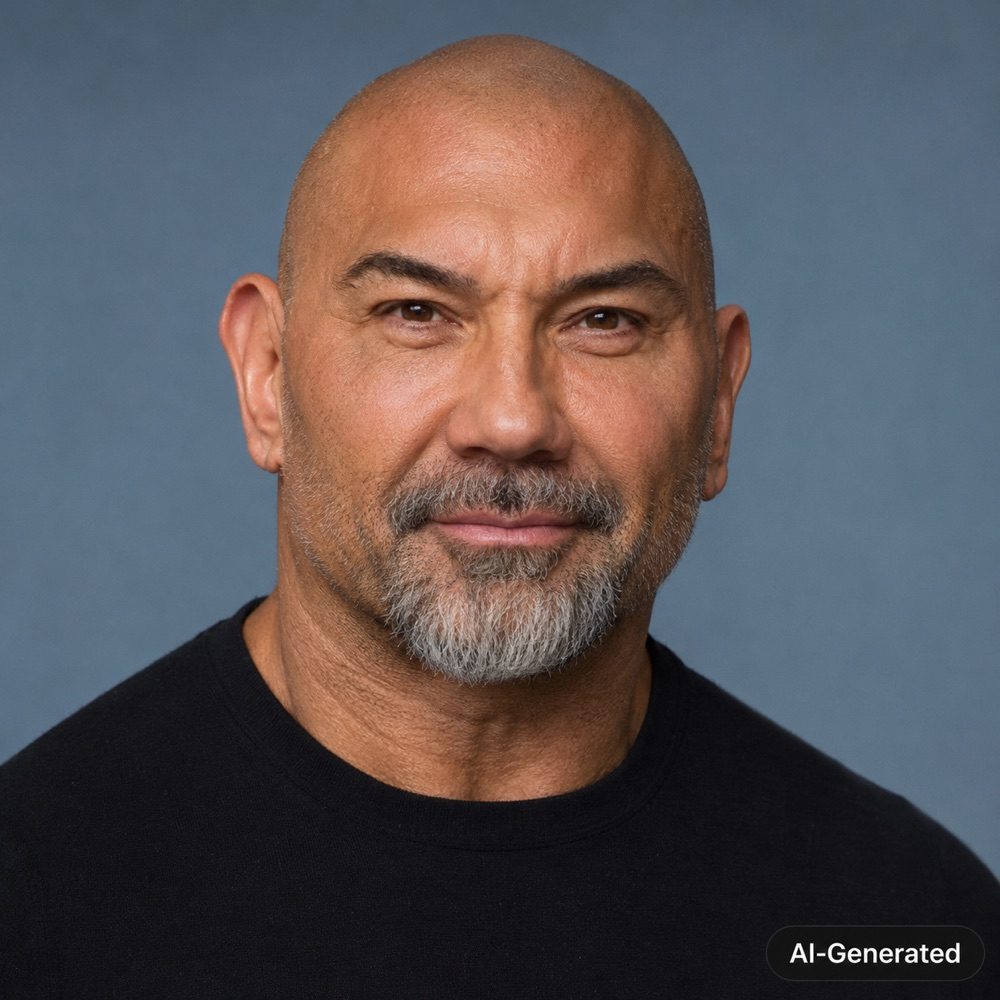
Dave Bautista
Cooper voices Rocket and Bautista plays Drax in the Guardians of the Galaxy films. Their shared scenes join voice work, visual effects, and live-action performance.[6]
Read the profile →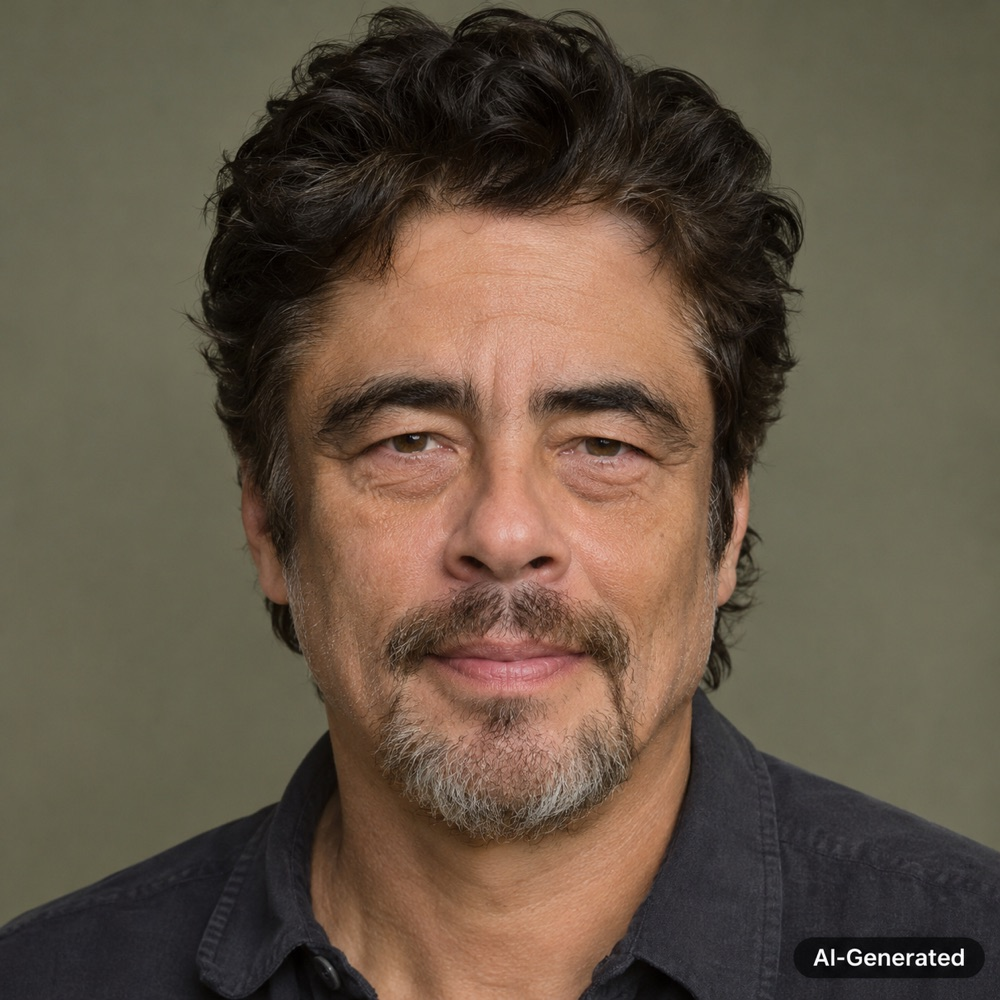
Benicio del Toro
Del Toro’s Collector appears in Guardians of the Galaxy, another part of the ensemble around Rocket.[6]
Read the profile →
Elizabeth Olsen
Their credits meet in the Avengers ensemble films. Olsen’s career also offers a route from smaller dramas to very large productions.
Read the profile →Watch in context
The Ely Cathedral performance in Maestro
Published by Netflix. Watch on YouTube ↗
Sources and further reading
- Georgetown University — Cooper on college and his directing debut (2018)
- Golden Globes — Bradley Cooper biography and credits
- NPR / WBUR — Fresh Air interview (2015)
- Georgetown — A former adviser shares Cooper’s letter
- The Hollywood Reporter — The evolution of a leading man (2012)
- Marvel — Guardians of the Galaxy
Artwork: Original AI-generated portrait of Bradley Cooper, created for Famous Faith; not a photograph. The other AI-generated portraits shown here were also created for Famous Faith. No endorsement is implied.
Film and book titles identify the works discussed. A career credit is not a recommendation that every reader watch or read that work.