The profile · Actor and producer
Jacob Batalon
Jacob Batalon first studied music, then found a different kind of performance in acting. A self-taped audition led to Ned Leeds, while a later television lead brought new responsibilities as an executive producer.
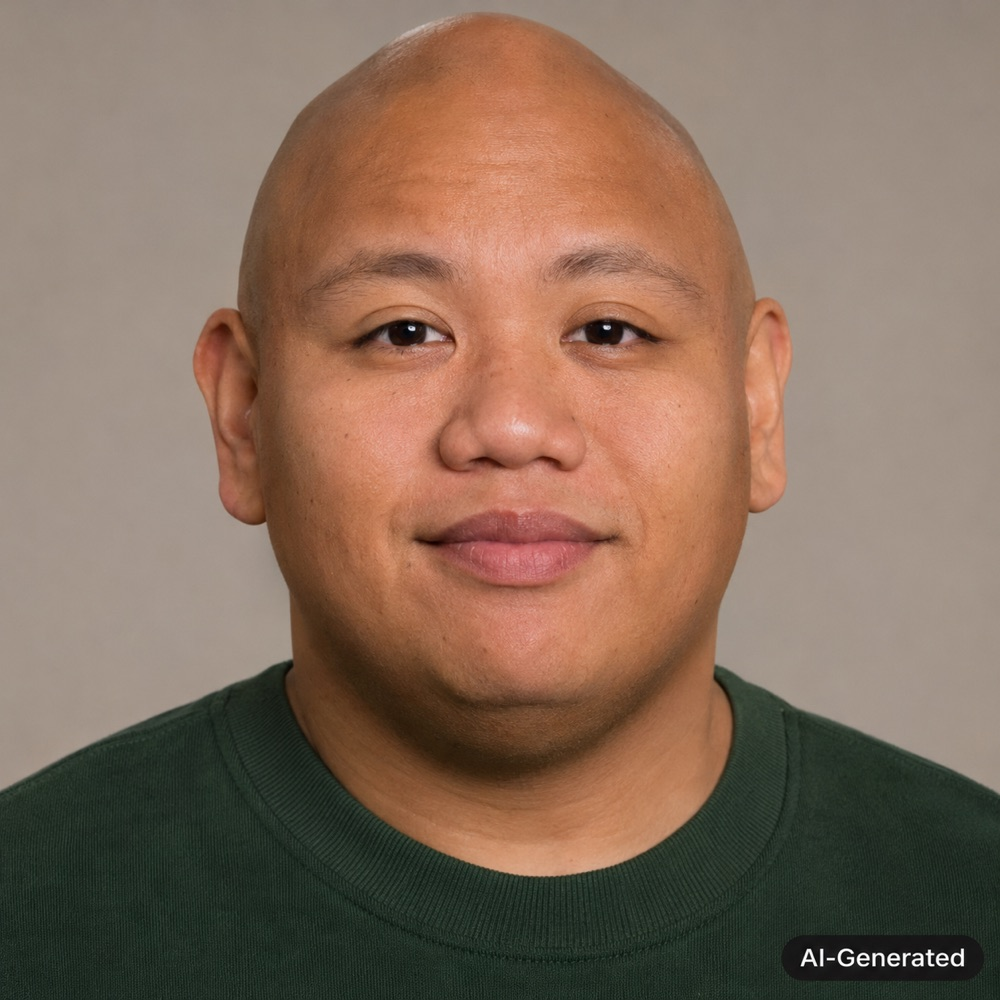
- Roots
- Born and raised in Honolulu[1]
- Early studies
- Music theory at Kapi‘olani Community College[2]
- Acting training
- New York Conservatory for Dramatic Arts[2]
- New responsibility
- Lead actor and executive producer of Reginald the Vampire[2]
The person behind the work
An interest in music found another outlet
Jacob Batalon grew up in Honolulu in a Filipino family. In an Asian Journal interview, he recalled singing at family gatherings and studying music theory at Kapi‘olani Community College before moving toward acting. He later attended the New York Conservatory for Dramatic Arts. The first plan was not the one that finally opened a door.[2]
A self-taped audition led to Ned Leeds in Spider-Man: Homecoming. Sidewalks Entertainment also places the smaller film North Woods before that breakthrough: the best-known beginning was not his first credit.[1]
In his 1883 interview, Batalon talked about the music he returned to and how much of his twenties had been spent making the Spider-Man films. A role can become a period of a person’s life as well as a finished piece of work. Moving on involves learning what else they want to try.[3]
A career in range
Selected work, at a glance
2022–2024
Reginald the Vampire
Reginald Andres; executive producer
A lead role joined with a new production responsibility.[5]
Learning a larger job
A lead role changes the questions
Reginald the Vampire gave Batalon a lead character and an executive-producer credit. The story starts with someone who is overlooked and then finds that an unusual change does not automatically make life easier. SYFY’s interviews describe the effort to combine that outsider’s experience with horror and humor.[5]
Batalon told Asian Journal that producing was a chance to learn about the business as well as performance. The wider role means considering a project beyond the time spent in front of a camera. It can change how an actor understands the people whose decisions shape a scene.[2]
His later credits include the horror film Tarot and the action comedy Novocaine. They offer different uses of comic timing: a joke can briefly release fear, or it can make an already absurd situation feel even stranger. Neither requires the performer to remain the same friendly sidekick in every story.[4]
A closer look
Three ways into the work
Begin with the person behind the transformation
Reginald the Vampire is about an outsider before it is about a set of supernatural rules. Notice how an apparent change in power does not remove every insecurity. The show includes violence and other adult material.
Change the scale with Banana Split
A smaller comedy gives a supporting actor a different space in an ensemble. Pay attention to the friendships around the central relationship, rather than only waiting for the main couple’s next decision.
What he has shared
A quieter part of his public story
The interviews here discuss family, work, and learning in much more detail than religious practice. They do not clearly name Batalon’s religion. The family and cultural background he has shared can still be described without guessing at a private belief.
Listen to the person
In their own words
2025
“It was really enlightening.”
Famous Faith’s Christian perspective
Beyond the Spotlight
An outsider’s story can help us notice how often we measure people by appearance, confidence, or usefulness. The Bible begins with a different measure: every person bears God’s image and deserves care. That includes the person who is ignored and the person doing the ignoring.
God’s law also asks us to examine our own choices. First John 3:4 calls sin lawlessness. The Ten Commandments name lies, theft, adultery, and coveting as wrong, and call us to love and honor God. Jesus presses beneath appearances to anger and lust in the heart. A friendly public image does not make those hidden wrongs disappear. We all need more than a better reputation.
Jesus warned about judgment and hell. Christians should speak of that danger with gentleness, remembering their own need for mercy. God has shown love by sending his Son, Jesus Christ, who lived without sin, died on the cross for sinners, and rose bodily from the dead. Forgiveness is a gift of grace received through faith in him. It is not an award for finally fitting in or doing enough good.
Repentance means turning from sin and our resistance to God, with a new direction of mind and heart. At its center is trust in who God is and in his love made visible through Jesus. That normally changes behavior: a lie is confessed, envy is resisted, and someone once overlooked is treated with dignity. Those choices grow from grace rather than paying for it. We can ask Jesus for forgiveness honestly and begin a new direction without pretending we have already become perfect. Belonging with God is received through Christ, not won in a contest for everyone else’s approval.
Explore the Good Person Test and the promise of forgiveness →
This section shares Famous Faith’s Christian beliefs. It does not speak for Jacob Batalon.
People connected to the story
Follow the connections
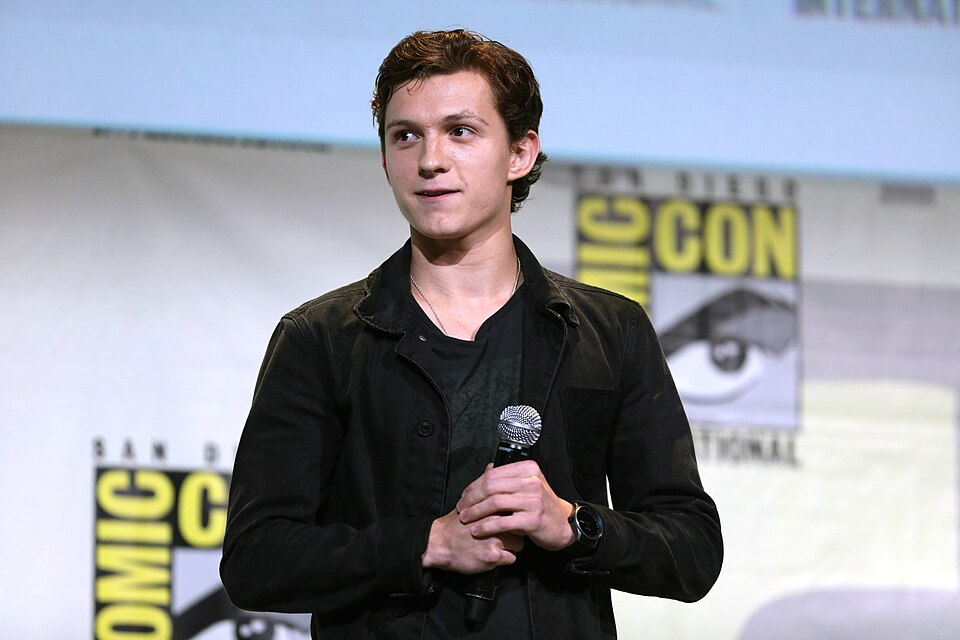
Tom Holland
Ned Leeds and Peter Parker are a familiar screen friendship. Their profiles also trace very different early experiences in performance.
Read the profile →
Marisa Tomei
Tomei’s May Parker and Batalon’s Ned share the Spider-Man films, linking established and early-career performers in one ensemble.
Read the profile →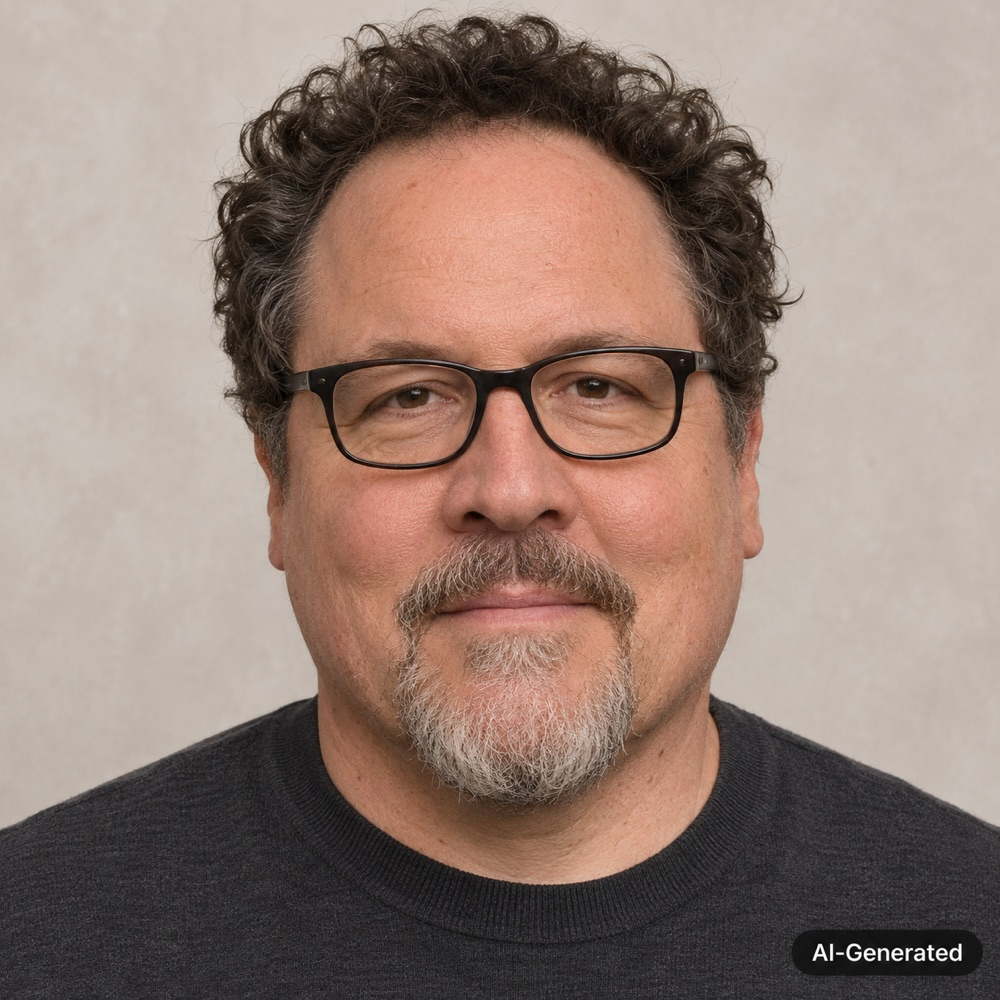
Jon Favreau
Favreau’s Happy Hogan appears in the same film series. His writing and directing work offers another view of taking on responsibility behind the camera.
Read the profile →Sources and further reading
- Sidewalks Entertainment — Jacob Batalon interview
- Asian Journal — Jacob Batalon interview (2025)
- 1883 — Jacob Batalon interview
- Jacob Batalon — Film credits
- SYFY — Reginald the Vampire premiere interview
Artwork: Original AI-generated portrait of Jacob Batalon, created for Famous Faith; not a photograph. The other AI-generated portraits shown here were also created for Famous Faith. No endorsement is implied.
Photograph: Tom Holland by Gage Skidmore from Peoria, AZ, United States of America, via Wikimedia Commons, CC BY-SA 2.0. Cropped to a square card for display.

Film and book titles identify the works discussed. A career credit is not a recommendation that every reader watch or read that work.