The profile · Actor working in film, television, and theater
Marisa Tomei
Marisa Tomei’s Oscar-winning film work is only one part of her career. She has continued returning to the stage and to acting teachers, describing training as something that keeps going after a performer becomes established.

- Oscar
- Supporting Actress for My Cousin Vinny, 1993[1]
- Film range
- In the Bedroom and The Wrestler[2]
- Broadway
- The Realistic Joneses and The Rose Tattoo[3]
- Approach
- Continues studying acting[4]
The person behind the work
The award was not the end of learning
Marisa Tomei won the Supporting Actress Oscar for playing Mona Lisa Vito in My Cousin Vinny. The Academy’s 1993 ceremony record confirms the award for the film released in 1992. The comic performance depends on a character whose knowledge proves more useful than other people expect.[1]
Her film work later included In the Bedroom and The Wrestler, which brought further award attention. The Golden Globes biography also records films ranging from the romantic comedy Only You to Before the Devil Knows You’re Dead. These titles point to a career that moves between comedy and serious drama.[2]
A prize can make one performance seem like the permanent definition of an actor. Looking at the later work gives a more useful picture. Comic confidence, grief, embarrassment, and private disappointment require different choices, even when a viewer recognizes the same voice and face.
A career in range
Selected work, at a glance
2014
The Realistic Joneses
Pony Jones
A Broadway ensemble about neighbors and uncomfortable conversation.[3]
Practice beyond recognition
Returning to the room where the work happens
Tomei’s theater work includes The Realistic Joneses on Broadway in 2014 and The Rose Tattoo in 2019, after an earlier production of that play at Williamstown. A stage run asks a performer to return to the same material while remaining responsive to the people and audience present that evening.[3]
In a 2019 interview with Ted Sod for Roundabout, she described training as an ongoing process. She named several acting and voice teachers and included literature, feminist studies, and spiritual texts among her sources of inspiration. Those are specific things she chose to say about how she keeps developing her work.[4]
The distinction between study and a finished result is useful here. An audience sees a scene, not every lesson or rehearsal behind it. Continuing to study after recognition treats the craft as a practice rather than an identity secured by one successful night.
A closer look
Three ways into the work
Listen to Mona Lisa’s expertise
My Cousin Vinny makes another person’s assumptions part of the comedy. The scene works because the character knows something that matters, not simply because she can deliver a sharp reply. The film includes strong language.
Compare the scale of the stage roles
The Realistic Joneses and The Rose Tattoo offer different kinds of language and feeling. A restrained exchange and a large emotional turn can both require careful listening. The goal is not always to make the biggest possible gesture.
Look at the study behind the performance
Tomei’s own account gives a practical way to think about an established career. Repeated lessons, voice work, and reading can remain part of the job. Recognition does not remove the need to prepare.
Belief without a guessed label
Spiritual reading in her own account
Tomei’s mention of spiritual texts tells us something about her interests. It does not name a church or explain all her beliefs. The interview leaves that larger question open, while making clear that her reading reaches beyond acting technique alone.[4]
Listen to the person
In their own words
2019
“My training is an ongoing process”
Famous Faith’s Christian perspective
Beyond the Spotlight
An ongoing willingness to learn is a good thing. It can keep a person curious and willing to listen after success. Christian faith also welcomes honest questions, while making a distinction between learning about God and earning our way into his love.
The Bible says our deepest problem is more than a lack of information. First John 3:4 calls sin the breaking of God’s law. The Ten Commandments forbid theft, false witness, adultery, and coveting; they call us to honor God. Jesus speaks about anger and lust in the heart as well as outward acts. We may know what is right and still choose an excuse that protects us. Another lesson cannot undo a lie already told.
Jesus warned about judgment and hell. That truth should be shared gently, with the humility of people who also need forgiveness. God’s answer is his Son, Jesus Christ. Jesus lived without sin, died on the cross for our sins, and rose bodily from the dead. His resurrection is central to the Christian message. Salvation is a gift of grace received through faith in him, rather than a reward for being well read or morally impressive.
Repentance turns our mind and heart away from sin and the wish to resist God. We begin trusting who he is, with the love he has shown through Jesus Christ as our reason to come. It normally changes behavior too: we begin confessing wrong, resisting selfish desires, and treating other people as neighbors to love. These changes follow mercy; they do not buy it. A reader can come to Jesus with questions and a real need for pardon, ask his forgiveness, and trust him while learning a new way to live. The invitation rests on his love and finished work, not on our ability to master every answer first.
Explore the Good Person Test and the promise of forgiveness →
This section shares Famous Faith’s Christian beliefs. It does not speak for Marisa Tomei.
People connected to the story
Follow the connections
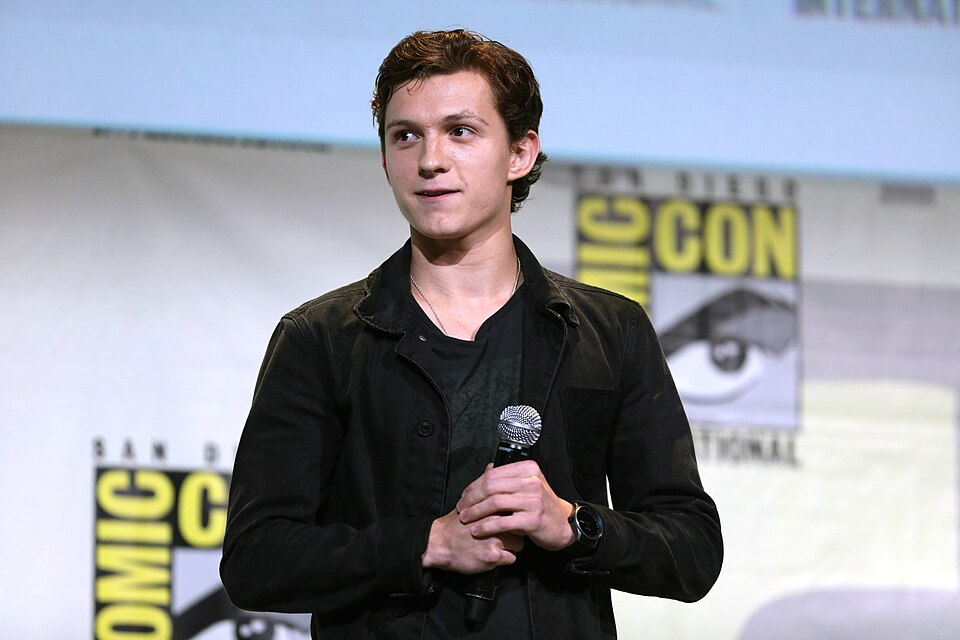
Tom Holland
Tomei plays May Parker opposite Holland’s Peter in the Spider-Man films.[5]
Read the profile →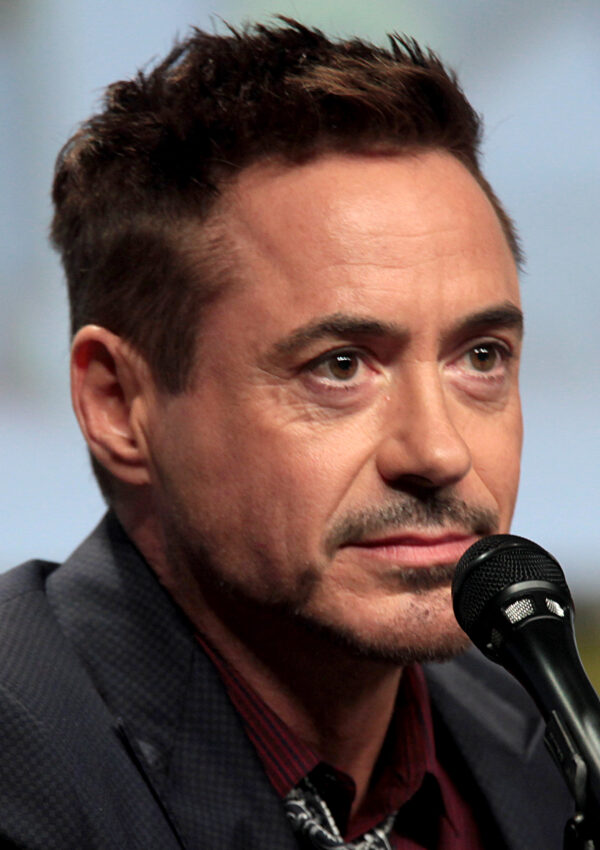
Robert Downey Jr.
They share Spider-Man: Homecoming, in which Tony Stark’s involvement adds another adult influence in Peter’s life.[5]
Read the profile →
Jacob Batalon
Batalon’s Ned and Tomei’s May belong to different parts of Peter’s home and school life.[5]
Read the profile →Sources and further reading
- Academy — The 1993 Oscars
- Golden Globes — Marisa Tomei biography
- New York Theatre Guide — Marisa Tomei’s stage work
- Roundabout interview — Tomei on The Rose Tattoo
- Marisa Tomei — Film credits
Artwork: Original AI-generated portrait of Marisa Tomei, created for Famous Faith; not a photograph. The other AI-generated portraits shown here were also created for Famous Faith. No endorsement is implied.
Photograph: Tom Holland by Gage Skidmore from Peoria, AZ, United States of America, via Wikimedia Commons, CC BY-SA 2.0. Cropped to a square card for display.

Photograph: Robert Downey Jr. by Gage Skidmore, via Wikimedia Commons, CC BY-SA 2.0. Cropped to a square card for display.

Film and book titles identify the works discussed. A career credit is not a recommendation that every reader watch or read that work.