The profile · Actor and producer
Benicio del Toro
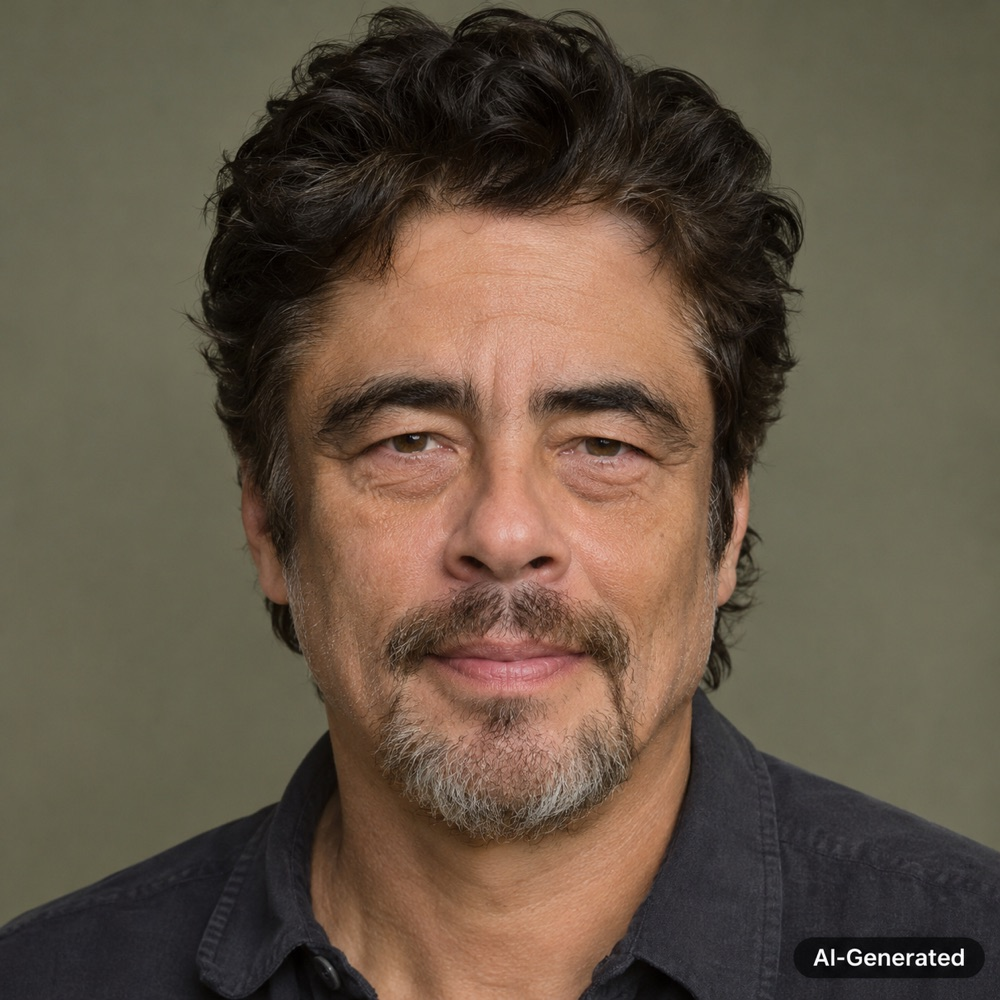
Benicio del Toro grew up around lawyers, began studying business, and found another calling in acting. His performances often make a viewer lean in: the smallest pause can leave a question hanging in the room.
- Birthplace
- Puerto Rico[1]
- Training
- Studied with Stella Adler in Los Angeles[1]
- 2025 role
- Zsa-zsa Korda in The Phoenician Scheme[3]
The person behind the work
A turn away from the family plan
Benicio del Toro told BAFTA that several members of his family were lawyers and that he was expected to follow the same path. Born in Puerto Rico, he later moved to Pennsylvania. He began studying business at the University of California before changing direction toward theater. In Los Angeles, he studied with Stella Adler; Mark Ruffalo was among his classmates.[1]
His film career grew through roles in The Usual Suspects, Fear and Loathing in Las Vegas, and Traffic. A Golden Globe for Traffic marked one major point of recognition, but the range is more revealing than any one prize. He moved among crime stories, dramas, historical work, and films with a much stranger comic rhythm.[2]
Del Toro is especially interesting when a scene withholds information. A viewer may not know whether a character is considering a lie, a threat, or a kindness. That uncertainty can create tension without a loud performance. It asks the audience to pay attention instead of waiting for a speech to explain everything.
A career in range
Selected work, at a glance
How the work changes
Research, restraint, and a different kind of freedom
For Che, del Toro described years of preparation: recordings, documentary material, travel, and meetings with people connected to the history. Playing a real person also meant recognizing how strongly others felt about the subject. He contrasted that work with The Wolfman, where an invented creature gave him a different freedom.[1]
More recently, Reptile cast him as detective Tom Nichols in a crime story built around deception. The film’s setup puts his watchfulness to work: the investigator must sort what he sees from what he has been told. It is an effective example of a performance that keeps the audience reading a face.[4]
The Phoenician Scheme changes the setting again. Wes Anderson cast him as wealthy businessman Zsa-zsa Korda, alongside Mia Threapleton as his daughter Liesl and Michael Cera as Bjorn. The family and business story offers another tone, with an unusually arranged world around a performer known for making small choices count.[3]
A closer look
Three ways into the work
Watch the choices in Traffic
This is a good place to notice how a character’s judgment emerges under pressure. Instead of treating the award as the whole story, look at how del Toro responds to the people who hold power around him.[2]
Compare the weight of history
Che asks a different question from a fictional thriller: how does an actor approach a figure with a long, contested public history? The preparation is worth knowing, even while viewers form their own views about the film and its subject.
Change the pace with The Phoenician Scheme
The carefully arranged setting makes an interesting contrast with his crime dramas. Look at how the actor’s stillness fits the director’s visual order. The movie is for mature viewers and includes violent material.[3]
A public statement
A belief in God, expressed in his own terms
In the BAFTA interview published in 2011, del Toro said he believed in God. His wording was broad; he did not give a denomination or detailed creed.[1]
Listen to the person
In their own words
Published November 2011
“I believe in God, or whatever you want to call it”
Famous Faith’s Christian perspective
Beyond the Spotlight
Del Toro’s watchful characters often make a viewer wonder what remains hidden. His own statement about belief in God belongs to his personal story. The Bible takes the conversation further by describing a God who already knows what is hidden in every life and still reaches toward people in love.
His law gives a name to the wrong we sometimes excuse. Sin is breaking that law (1 John 3:4). The Ten Commandments forbid false witness, theft, adultery, and coveting; they also call for loyalty to God. Good appearances cannot make us innocent. Jesus spoke plainly about judgment and hell, a warning that should lead Christians toward humility and mercy rather than harsh guesses about another person’s soul.
The gospel announces what Jesus Christ has done. God’s Son lived without sin, died on the cross for sinners, and rose bodily from the dead. Forgiveness is offered by grace through faith in him. We cannot purchase it by generosity, success, or keeping our failures out of sight (1 Corinthians 15:3–4; Ephesians 2:8–10).
Repentance means turning from sin and rebellion to God with a changed mind and heart. It is a turn toward trust in the God who has shown through Jesus Christ how deeply he loves us. That turning normally changes how we act, but changed actions do not pay for forgiveness. We can come honestly to Christ, trust him as Lord, and receive mercy. His grace frees forgiven people to admit wrong and begin to repair harm without pretending that the past never happened.
This section shares Famous Faith’s Christian beliefs. It does not speak for Benicio del Toro.
People connected to the story
Follow the connections
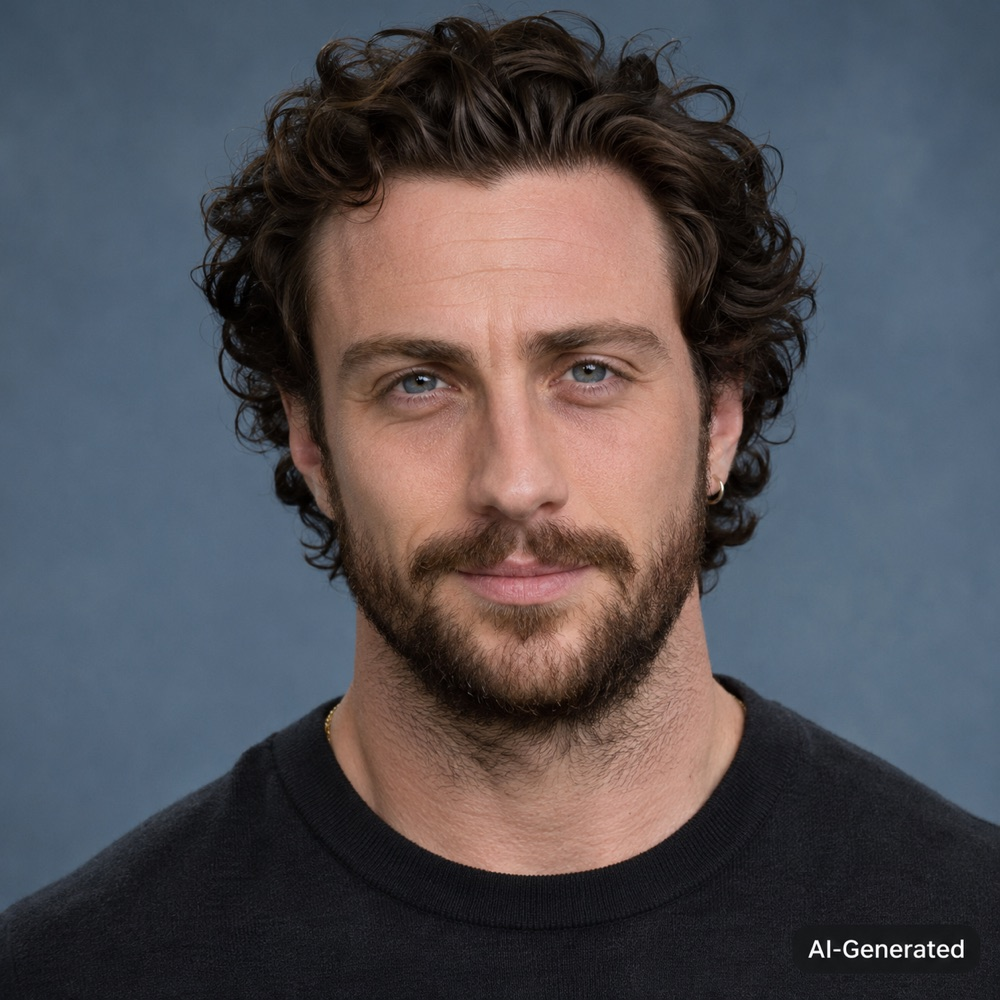
Aaron Taylor-Johnson
They share a credit in Savages. Taylor-Johnson’s profile follows another actor whose work moves across very different genres.[5]
Read the profile →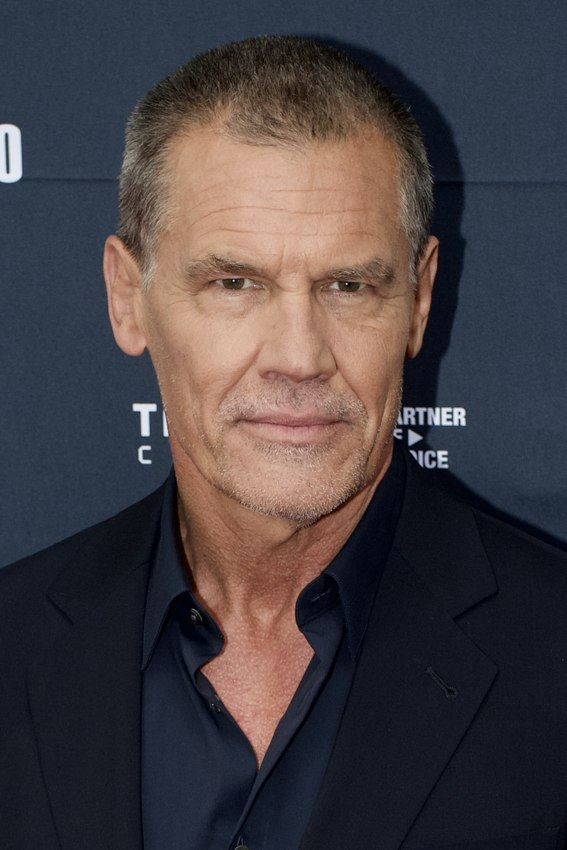
Josh Brolin
Both appear in the Sicario series, a strong connection outside the large fantasy ensembles.[2]
Read the profile →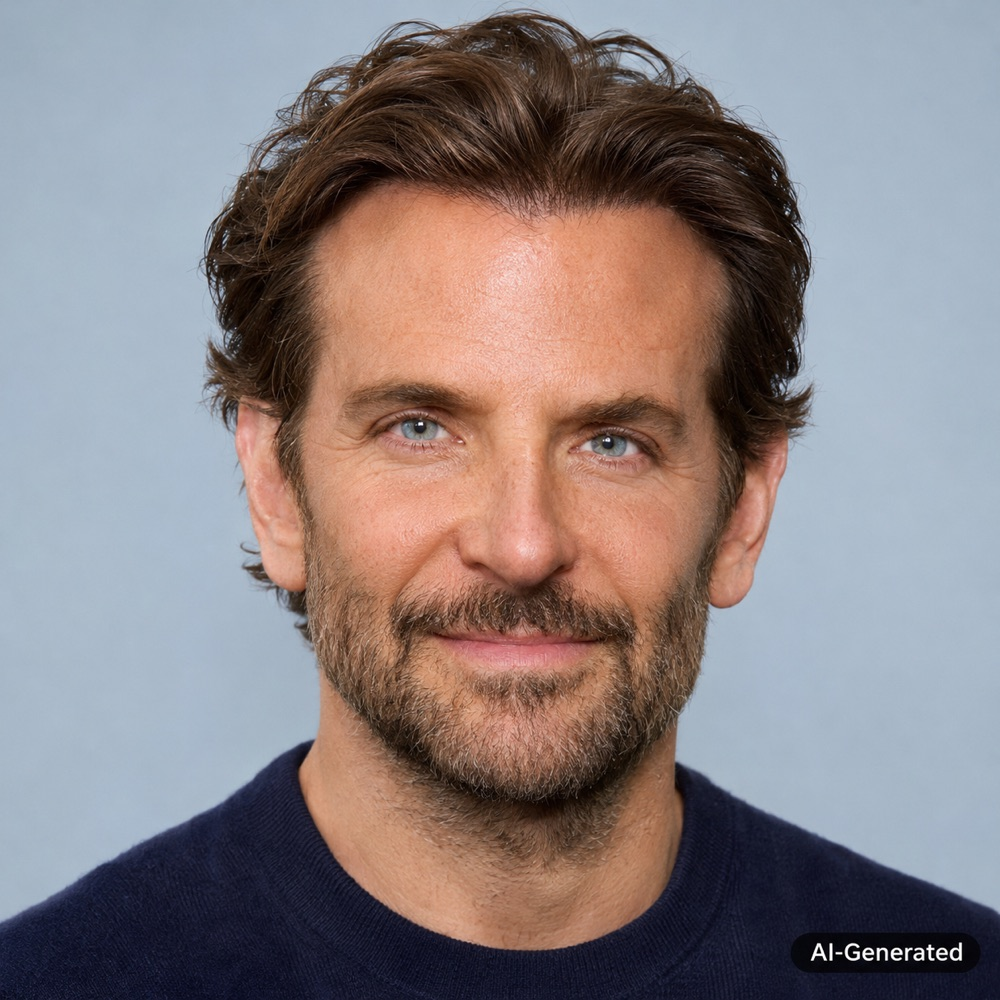
Bradley Cooper
Their careers meet in the Guardians of the Galaxy films. Cooper’s profile explores voice performance alongside acting and directing.[6]
Read the profile →Watch in context
On roles and the acting process
Published by AXS TV. Watch on YouTube ↗
Sources and further reading
- BAFTA — Benicio del Toro interview (published 2011)
- Golden Globes — Benicio del Toro biography and awards
- Focus Features — The Phoenician Scheme
- Netflix Tudum — Reptile
- Golden Globes — Aaron Taylor-Johnson film credits
- Marvel — Guardians of the Galaxy
Artwork: Original AI-generated portrait of Benicio del Toro, created for Famous Faith; not a photograph. The other AI-generated portraits shown here were also created for Famous Faith. No endorsement is implied.
Photograph: Josh Brolin by Max Surprenant, via Wikimedia Commons, CC BY 4.0. Cropped to a square card for display.

Film and book titles identify the works discussed. A career credit is not a recommendation that every reader watch or read that work.