People · Beliefs
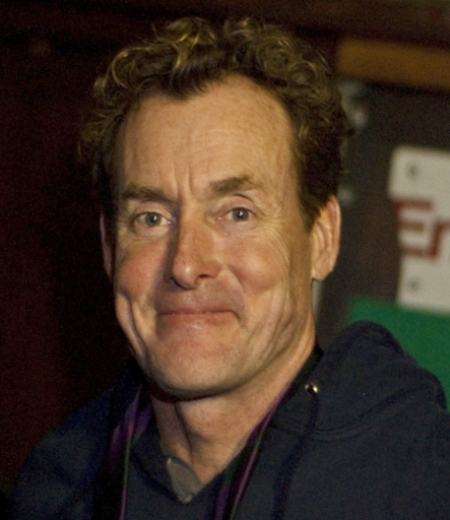
John C. McGinley
John C. McGinley’s work includes Office Space, Scrubs, and advocacy for people with disabilities. His comments about welcoming families of different faiths deserve to be read in their original setting.
- Office Space
- Bob Slydell
- Work
- Actor
- Also known for
- Scrubs
- Documented background
- Disability advocacy
John C. McGinley can make an authority figure seem both certain and impossible to relax around. In Office Space, he played consultant Bob Slydell; television viewers also know him as Dr. Perry Cox on Scrubs. His work away from the screen includes sustained disability advocacy.
John C. McGinley has publicly discussed religion in the context of disability advocacy and the importance of welcoming families from different backgrounds. Known for playing Dr. Perry Cox on Scrubs, he has supported work serving people with Down syndrome. His own comments explain a view about religious inclusion more clearly than they establish a personal religious label.
What has John C. McGinley said about faith?
In an ABILITY Magazine interview, McGinley expressed appreciation that the Global Down Syndrome Foundation did not promote a religious cause. Discussing explicitly Christian language at other events, he asked, “What about Yahweh? What about other faiths?” His point was that families receiving support do not all share the same religious identity.
Those statements support describing his preference for an inclusive, nonsectarian setting for that advocacy. They do not establish whether he personally identifies as Christian, Jewish, atheist, or another faith. His portrayal of a priest in The Good Catholic likewise belongs to his acting work and should not be treated as his own confession.
Welcoming people without assuming agreement
The distinction between a charity’s public mission and an individual’s theology is important. A person may support services open to everyone for several reasons. That preference cannot by itself tell us what he believes about God or eternal life. We should resist turning an institutional choice into a complete spiritual autobiography.
There is also a theological detail worth clarifying. In Christian belief, the God identified in the Old Testament by the divine name commonly rendered Yahweh is not a rival to Jesus Christ. Christians confess one God and understand Jesus as the divine Son. Explaining that belief does not require assuming McGinley intended to give a technical statement about the Trinity.
How does this compare with the Bible?
Genesis 1:27 gives every human being dignity as someone made in God’s image. That dignity does not depend on intelligence, independence, wealth, health, or public approval. Christians therefore have strong reasons to care about people with disabilities and to oppose language or behavior that treats them as less valuable.
James 2:1–9 warns against favoritism, and Jesus’ account of the Good Samaritan challenges narrow definitions of the neighbor we should love (Luke 10:25–37). Practical help should not become a bargaining tool for forcing a religious response. Mercy is something Christians are commanded to show, including toward people who disagree with them.
Universal dignity and the particular claims of Jesus
Welcoming everyone does not mean every religious claim says the same thing. Jesus’ statement in John 14:6 is specific: access to the Father is through Him. Christians can affirm that claim while cooperating in many forms of practical service with neighbors of other faiths or no faith.
The New Testament joins truth with humility. First Peter 3:15 calls believers to explain their hope with gentleness and respect. An honest Christian response to McGinley’s concern should therefore include care for families who feel overlooked, alongside a clear explanation of the gospel rather than a vague assumption that all spiritual paths are identical.
The interviews cited here leave McGinley’s full personal theology unresolved. They do provide an opportunity for readers to examine their own actions: do our stated convictions produce real love for people whose needs are easy to ignore? Scripture calls us both to serve our neighbors and to consider our own need for reconciliation with God.
A personal question for the reader
There is nothing wrong with being interested in John C. McGinley’s faith. Learning what another person actually believes can lead to thoughtful, respectful conversations. But our first concern should be our own standing before God and where we will spend eternity. A celebrity’s confidence, uncertainty, religious background, or kindness cannot answer that question for us.
Beyond the Spotlight
The Bible says God created us and is perfectly holy. All of us have sinned against Him in our thoughts, words, and actions (Romans 3:23). We cannot erase that guilt by being more successful, joining a religious group, or doing enough good things. The Ten Commandments make sin concrete: lying, stealing, coveting, and dishonoring God break his law. Sin deserves judgment, and Scripture warns of hell as well as death (Romans 6:23).
God loved sinners enough to send His Son. Jesus Christ, fully God and fully man, lived a sinless life, died on the cross for our sins, and rose bodily from the dead. His death and resurrection are the heart of the gospel (1 Corinthians 15:3–4). He alone can reconcile us to God.
Salvation is a gift of grace received through faith, not a reward for our works (Ephesians 2:8–9). Jesus calls us to repent and believe—to turn from sin and self-rule and trust Him as Savior and Lord (Mark 1:15). You can speak honestly to God today, confess your sin, and ask for His mercy through Christ. A prayer is not a magic formula; the hope is Jesus Himself. Read the Gospel of John and find a church that faithfully teaches Scripture as you consider and respond to His invitation.
Repentance is a change of mind and heart as we turn toward God, learning to trust who he is and the love shown in Jesus. It normally changes how we live, but those changes do not buy forgiveness. God welcomes honest questions; struggling is not a reason to hide from him.
Office Space collection
John C. McGinley played Bob Slydell in Office Space. Explore the Office Space cast and creator profiles for the people behind the film.
Sources
Photo: Tom Morgan, Wikimedia Commons. CC BY 2.0. Cropped and/or resized for display.
