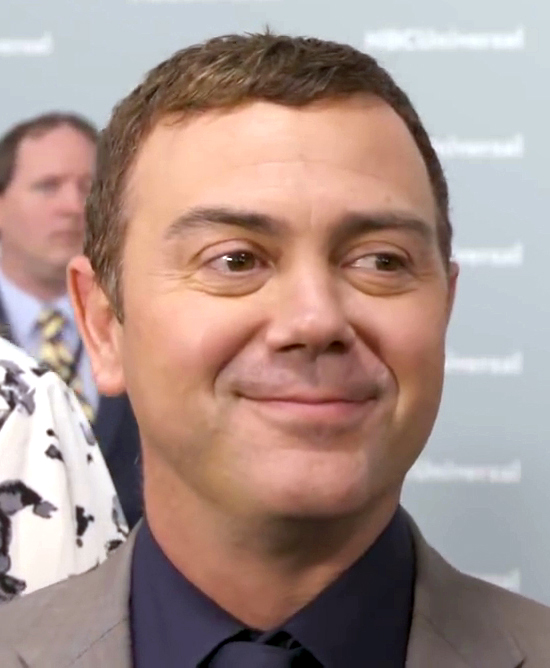
Joe Lo Truglio is known for bringing warmth and awkward enthusiasm to Charles Boyle on Brooklyn Nine-Nine. His public interviews also reveal a long-standing love of horror and the creative work behind his directorial debut, Outpost. Those interests describe his craft, but they do not establish a personal religious identity.
In a 2023 Rue Morgue interview, Lo Truglio explained that his interest in horror began before his professional comedy career. He discussed childhood experiments with filmmaking, the directors who influenced him, and the way comedy and horror both depend on timing and an immediate audience response.
What has Joe Lo Truglio said about belief?
The reliable interviews reviewed here focus on filmmaking, collaboration, and storytelling. They do not establish a particular religious affiliation or a detailed public profession about Jesus Christ. A horror film’s subject matter cannot supply that missing information.
In discussing Outpost, Lo Truglio spoke about wanting to handle difficult material with care and create sympathy for the central character. His wife, Beth Dover, played that character. In another interview with Novastream, he discussed the challenge of making the audience understand a frightening story through a person’s experience.
Those comments reveal concern about how stories affect viewers and portray people. They should not be expanded into a religious testimony. Ethical concerns, artistic interests, and personal faith can overlap, but a researcher must not assume they are identical.
Is Joe Lo Truglio a Christian?
The sources linked here do not provide enough evidence to confirm a personal Christian profession or a current church membership. They also do not justify labeling him an atheist. The honest answer is that his personal religious affiliation is not established in this profile.
Names and ancestry are poor shortcuts for answering that question. So are the beliefs of a spouse, a fictional character, or the audience for a film. A real person deserves an answer based on attributable statements.
For Christian readers, the themes in his work still offer points for reflection. Boyle’s loyalty and Lo Truglio’s attention to how a story treats its characters raise questions about friendship, empathy, and responsibility.
Friendship should serve another person’s good
Charles Boyle’s enthusiasm for Jake is part of the show’s humor. The friendship can be affectionate and excessive at the same time. That combination invites a useful question: what makes loyalty healthy rather than simply intense?
Proverbs 17:17 describes a friend who loves at all times. Proverbs 27:6 also recognizes the value of honest correction from a friend. Biblical loyalty is not endless agreement. It is a commitment to another person’s good, including when the truth is uncomfortable.
That matters in ordinary friendships. We can flatter someone because we want approval, stay silent because confrontation is hard, or confuse possessiveness with care. Love requires humility and a willingness to hear another person’s needs.
Christians should also be careful about turning another person into the center of their identity. People are gifts to love, not saviors who can meet every need. A friendship becomes healthier when it is free to include honesty, boundaries, and other relationships.
Stories, fear, and compassion
Lo Truglio’s move between comedy and horror shows how different stories can draw on strong emotions. The Bible recognizes both laughter and grief. Ecclesiastes 3 describes seasons for each, while Romans 12:15 calls believers to rejoice with those who rejoice and weep with those who weep.
That teaching asks us to notice people beyond the effect we want a story or joke to produce. Suffering should not make a neighbor less worthy of care. Christians can evaluate entertainment thoughtfully while treating real people with tenderness and respect.
Philippians 4:8 also encourages attention to what is true, honorable, just, and pure. The question is larger than whether a film carries a religious label. What are we learning to enjoy, dismiss, fear, or excuse? Wise viewers examine their own hearts as well as the screen.
Our deepest need is forgiveness
Empathy and loyalty are valuable, but they cannot make us innocent before God. Romans 3:23 says all have sinned. God’s commands expose lying, stealing, coveting, idolatry, and failures of love. Jesus addressed anger and lust in the heart, beyond outward behavior.
Sin brings guilt before a holy and just God. Romans 6:23 describes death as its wages. We cannot erase that guilt through talent, good intentions, charitable work, or being a devoted friend. We need a Savior who can do what we cannot.
The gospel of Jesus Christ
Jesus, the Son of God, lived without sin and willingly died on the cross for sinners. He bore the punishment we deserve, was buried, and rose bodily from the dead. First Corinthians 15:3–4 places those events at the center of the good news.
God offers salvation by grace through faith in Christ, not as a reward for works (Ephesians 2:8–9). He calls us to repent, turning from sin, and trust Jesus as Lord and Savior. A changed life follows his mercy and gives a new foundation for loving other people.
Christians can appreciate Lo Truglio’s craft and pray for him and his family while remaining honest about what his interviews establish. The gospel invites every reader to move beyond interest in a performer’s life and consider their own relationship with the risen Savior.
Sources
- Rue Morgue: Lo Truglio on comedy, horror, and Outpost
- Novastream: interview about his creative process
Portrait: Adweek, CC BY 3.0, via Wikimedia Commons. Cropped or resized where needed.
