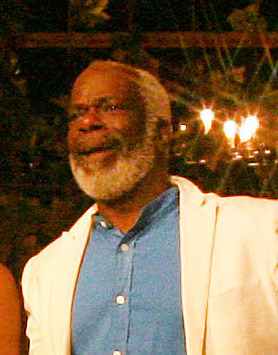
Joseph Marcell is best known to many viewers as Geoffrey, the dry-witted butler on The Fresh Prince of Bel-Air. His work also includes a long stage career and a close association with Shakespeare’s Globe. That range helps explain why questions about his beliefs can arise from very different performances.
The Globe’s public biography lists extensive theater work. In 2023, the organization recognized him with the Sam Wanamaker Award for his acting and support of the Globe. These records document his artistic contribution. They do not present a personal statement of religious faith.
Religious roles and personal beliefs
Marcell played Father Lewis in the horror film The Exorcism of God. In a 2022 Horror News Network interview, he discussed the role, the director, and the choices people make. He described the tension between knowing what we should do and choosing otherwise.
When asked about acting in a possession story, Marcell approached the question as an actor discussing his work. The interview does not establish that he personally holds every religious belief represented by his character. Nor does appearing in a horror film establish that he rejects Christianity.
A performance can explore spiritual questions without becoming a confession of faith. This distinction is especially important with clergy roles. An actor wearing a clerical collar is portraying a person; he is not necessarily telling the audience what he believes about God.
Is Joseph Marcell a Christian?
The reliable sources reviewed here do not establish a clear personal Christian profession or a particular denominational affiliation. That leaves his religious identity unconfirmed in this profile. It would be unfair to turn the absence of a statement into a claim that he has no faith.
His comments about moral choice are still worth considering carefully. They reflect a recognizable human struggle: we can understand that something is wrong and do it anyway. Christians can engage that observation without claiming that Marcell intended to teach Christian doctrine.
His best-known comedy role raises another issue. Geoffrey works in a wealthy household, but the humor often allows him to see through the family’s pride. The character’s social position does not prevent him from noticing the truth. That offers a useful bridge to the Bible’s teaching about dignity and service.
People matter more than social position
Genesis 1:27 teaches that all human beings are made in God’s image. A person’s worth does not depend on owning the house, running the business, or having the most impressive title. Those who serve others deserve respect, fair treatment, and honest recognition.
James 2 warns against favoritism that honors wealthy people while humiliating the poor. Christians should examine how they speak to cleaners, servers, caregivers, and other workers whose effort makes daily life possible. Courtesy toward powerful people is not enough.
Jesus also challenged his disciples’ desire for status. In Mark 10:45, he explained that he came to serve and give his life as a ransom for many. His service was not a lack of authority. It revealed how he used his authority for the good of others.
That is different from treating service as a joke or a sign of inferiority. A biblical view of work calls people to faithfulness and calls those with power to justice. It also invites everyone to consider whether pride is shaping the way they treat their neighbors.
Why knowing better does not always change us
Marcell’s observation about human choices connects with a problem Scripture addresses directly. Knowing a command does not automatically give us the desire to obey it. We can understand honesty and still lie when telling the truth becomes costly.
Romans 3:23 says everyone has sinned. The Ten Commandments expose wrongdoing in our relationship with God and with others: idolatry, dishonesty, stealing, adultery, and coveting. Jesus also addressed anger and lust in the heart. The standard reaches deeper than what other people can see.
Blaming circumstances or comparing ourselves with worse behavior does not remove guilt. God is holy and just. Romans 6:23 describes death as sin’s wages. We need more than information about right and wrong; we need forgiveness and a changed heart.
The Savior who served sinners
Jesus Christ, God’s Son, lived without sin and willingly died on the cross for sinners. He bore the judgment we deserve. He was buried and rose bodily from the dead, as 1 Corinthians 15:3–4 summarizes. His resurrection gives the gospel a foundation beyond personal feelings or dramatic storytelling.
Salvation comes by grace through faith in him. Ephesians 2:8–9 teaches that it is God’s gift, not a reward for our works. We are called to repent, turning from sin, and trust Jesus as Lord and Savior. A life of obedience follows his mercy; it does not purchase it.
For readers who recognize the gap between knowing and doing, this is good news. Christ does not merely tell sinners to improve their performance. He offers reconciliation with God and makes his people new.
Marcell’s career has given audiences comedy, drama, and memorable characters. Christians can appreciate his craft and pray for him without inventing a religious label. The most useful question to take away is personal: have you trusted the Savior who gave himself to rescue sinners?
Sources
- Shakespeare’s Globe: Joseph Marcell biography
- Shakespeare’s Globe: 2023 Sam Wanamaker Award announcement
- Horror News Network: interview about The Exorcism of God
Portrait: University of Essex, CC BY 2.0, via Wikimedia Commons. Cropped or resized where needed.
