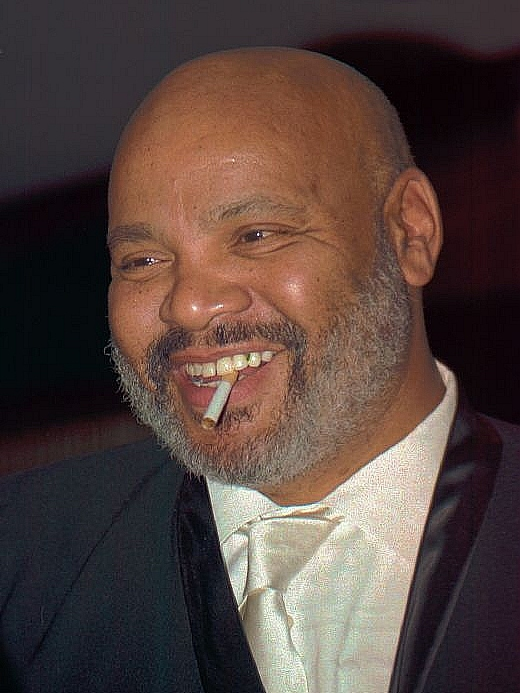
James Avery brought strength, humor, and warmth to Philip Banks on The Fresh Prince of Bel-Air. Uncle Phil could deliver a sharp correction and then offer the kind of welcome Will needed. For many viewers, Avery became a lasting picture of a father who took responsibility for his family.
Avery’s career also extended beyond that familiar living room. His work included television, theater, and voice acting, including Shredder in Teenage Mutant Ninja Turtles. The HistoryMakers recorded his life and career in an oral history. Its biography describes his early stage work, including playing God in a production of J.B.
What is known about James Avery’s religion?
The sources reviewed for this profile do not establish a clear personal religious affiliation or a detailed statement from Avery about salvation through Jesus Christ. His dramatic roles, including religious ones, cannot supply that missing information. Performing a character is part of an actor’s work.
There is also an important name distinction. James Avery the actor is different from James Avery the jewelry designer. Searches about religion can bring up the designer’s crosses, business, and spiritual history. Those details should not be attached to the man who played Uncle Phil.
Avery died in 2013. His public legacy remains closely connected with the affection of his fellow cast members and the audiences who watched him. Reporting that legacy does not require inventing a church membership or deciding what his private convictions must have been.
Was James Avery a Christian?
A responsible answer leaves the question open when the evidence does. The linked sources document an actor’s career and influence, but they do not give enough basis to call him a professing Christian or an atheist. Either label would go beyond what has been established here.
This distinction also helps readers understand the purpose of a faith profile. A person can portray wisdom convincingly without publicly explaining a theology. A viewer can learn something valuable from a scene without assuming the actor endorsed every message in the script.
For Christians, the next step is to consider the themes that made Uncle Phil meaningful and compare them with Scripture. That comparison concerns the show and the Bible. It should not be presented as Avery’s personal creed.
Fatherhood, discipline, and welcome in the Bible
One reason Uncle Phil stays in people’s memories is that he combines authority with care. The Bible gives parents a serious responsibility to teach their children. Ephesians 6:4 also warns fathers against provoking them. Strength should serve a child’s good, rather than become an excuse for pride or cruelty.
Correction and love belong together. Proverbs 3:11–12 describes the Lord’s discipline in the language of a father’s care. That does not make every human correction wise. It gives adults a reason to examine their motives and children a reason to understand that a loving “no” can be a gift.
The show’s picture of a relative making room for a young person also brings hospitality to mind. Romans 12:13 calls believers to practice it. A comfortable house means little if the people inside refuse kindness. Biblical love opens space for someone else’s needs, time, and growth.
Yet even a beloved television father is not the standard by which we finally know God. Human fathers are imperfect. Scripture reveals a Father whose holiness and mercy are complete. Jesus directs people to him and makes reconciliation possible through his own sacrifice.
Why good examples cannot save us
It is natural to remember someone for the encouragement they brought. The Bible allows gratitude for good gifts while telling the truth about our need. Romans 3:23 says that all have sinned. This includes entertainers, parents, children, and the people reading about them.
God’s commands expose more than obvious crimes. Have you lied, taken what was not yours, dishonored God, or cherished bitterness? Jesus taught that the heart matters as well as outward behavior. Anger and lust reveal that our problem runs deeper than managing a respectable public image.
We cannot balance away guilt with a longer list of good deeds. Romans 6:23 identifies death as the wages of sin. The coming judgment makes forgiveness urgent. God’s mercy is wonderful precisely because our need is real.
The gospel offers a better hope
Jesus Christ, God’s Son, entered our world and lived without sin. He willingly died on the cross for sinners, bearing the judgment we deserve. He was buried and rose bodily from the dead. First Corinthians 15:3–4 places those events at the heart of the good news.
Salvation is God’s gift of grace, received through faith in Jesus. Ephesians 2:8–9 rules out earning it through achievement or generosity. We are called to repent, turning from sin, and trust Christ as Lord and Savior. His finished work is sufficient for those who come to him.
James Avery’s performances gave many people laughter and a memorable picture of care. We can value those gifts without claiming knowledge of his eternal destiny. For living readers, the question remains personal: are you trusting a good reputation, or have you turned to the Savior who can forgive and make you new?
Sources
- The HistoryMakers: James Avery biography and oral history
- James Avery interview about his acting and voice work
Portrait: John Mathew Smith / Kingkongphoto & www.celebrity-photos.com, CC BY-SA 2.0, via Wikimedia Commons. Cropped or resized where needed.
