Aziz Ansari has publicly described himself as not religious, while explaining that his parents are Muslim. In a 2017 interview, he also resisted being pushed into the label atheist. The most accurate account follows those distinctions rather than assuming his family’s religion defines his personal beliefs. The sources reviewed do not establish a Christian profession of faith.
What Ansari said about religion
Speaking with Terry Gross on Fresh Air on May 24, 2017, Ansari discussed his Muslim family background and growing up in South Carolina. When asked whether he called himself an atheist or a Muslim, he expressed discomfort with the connotations of the atheist label. His own concise description was, “I’m not really a religious person.”
That answer is clearer than a label imposed from outside. It distinguishes family tradition from personal commitment and avoids making a stronger claim about his beliefs than he chose to make. Because the interview is dated, it also should not be presented as a newly issued statement.
Family affection can survive disagreement
Questions about faith are sometimes questions about belonging. A parent may hear religious disagreement as rejection of the family. An adult child may feel pressure to appear more convinced than they are. Those tensions can exist even where people love one another deeply.
Ansari’s work in Master of None explores a family’s religious differences, while his role as Tom Haverford in Parks and Recreation offers a different comic world. Fiction may draw on experience, but it remains fiction. A character’s words should not be silently substituted for the actor’s own statements.
For Christians, honest disagreement does not cancel the call to honor parents and love neighbors. Respect is compatible with saying what we believe. Pretending to share a conviction may avoid an awkward conversation, but it cannot create faith. Patience and truthful speech belong together.
Can inherited belief be examined?
Many people first encounter religion through their families. Others inherit a strongly nonreligious outlook. In either case, the setting in which a belief was learned does not by itself prove that the belief is true or false. A claim needs to be examined, not accepted or dismissed merely because it is familiar.
Christianity makes claims about events, including Jesus’ death and resurrection. In 1 Corinthians 15, Paul treats the resurrection as essential to Christian hope, not as a detail that can be removed without changing the faith. Asking whether it happened is therefore a serious and appropriate question.
The Bible also challenges borrowed religious appearances. Being surrounded by Christians, using religious language, or following family customs does not make a person right with God. Personal trust matters. Christians should welcome sincere questions rather than treating family loyalty as a substitute for conviction.
Tom Haverford and the hunger for status
Tom’s enthusiasm for luxury, success, and an impressive public image gives Parks and Recreation many of its jokes. His plans can become larger than his resources. Viewers may laugh because the exaggeration reveals something recognizable: we too can want to look successful before we have considered what success is for.
This is a reflection on the character and on a common human temptation, not a claim about Ansari’s private motives. The Bible warns against making possessions the measure of life. Jesus’ teaching in Luke 12:15 challenges the idea that having more will finally make us secure.
Gratitude offers a different starting point. We can enjoy food, friendship, and useful work without turning them into proof of superiority. Generosity loosens the grip of comparison. Yet even these good habits cannot answer every question about guilt, death, or our relationship with God.
A moral standard beyond the audience
Comedy depends partly on response: did the audience laugh? Moral truth cannot work that way. A room may approve something cruel, and a popular person may still act wrongly. Likewise, a person who is disliked may speak the truth. Our worth and responsibility cannot rest entirely on public reaction.
God’s law reaches the things we prefer to excuse. Have we always told the truth? Have we loved our neighbors as ourselves? Have we coveted what belongs to someone else or treated another person as a means to our own comfort? Romans 3:23 says all have sinned and fall short of God’s glory.
That includes people with religious backgrounds and people without them, along with the writer and reader. Religious observance cannot erase guilt, and rejecting religion does not make moral responsibility disappear. We need more than approval, a fresh label, or another chance to improve our image.
Why Christians point to Jesus
Jesus Christ is the Son of God who became truly human. He lived without sin and willingly died on the cross as the substitute for sinners, bearing the judgment we deserve. He was buried and rose bodily from the dead on the third day. This is the good news summarized in 1 Corinthians 15:3–4.
According to Ephesians 2:8–9, salvation is by grace through faith, not by works. We receive forgiveness through trusting Christ’s finished work. Repentance involves a changed mind toward God and our sin, and that change bears fruit in how we live. Good deeds follow salvation rather than purchasing it.
Ansari’s public answer deserves to be reported fairly, without stereotypes about his name or parents. The Christian invitation also deserves to be heard accurately: forgiveness is offered through Jesus, not earned by inheriting the right family tradition or performing a religious identity.
Source and image credit
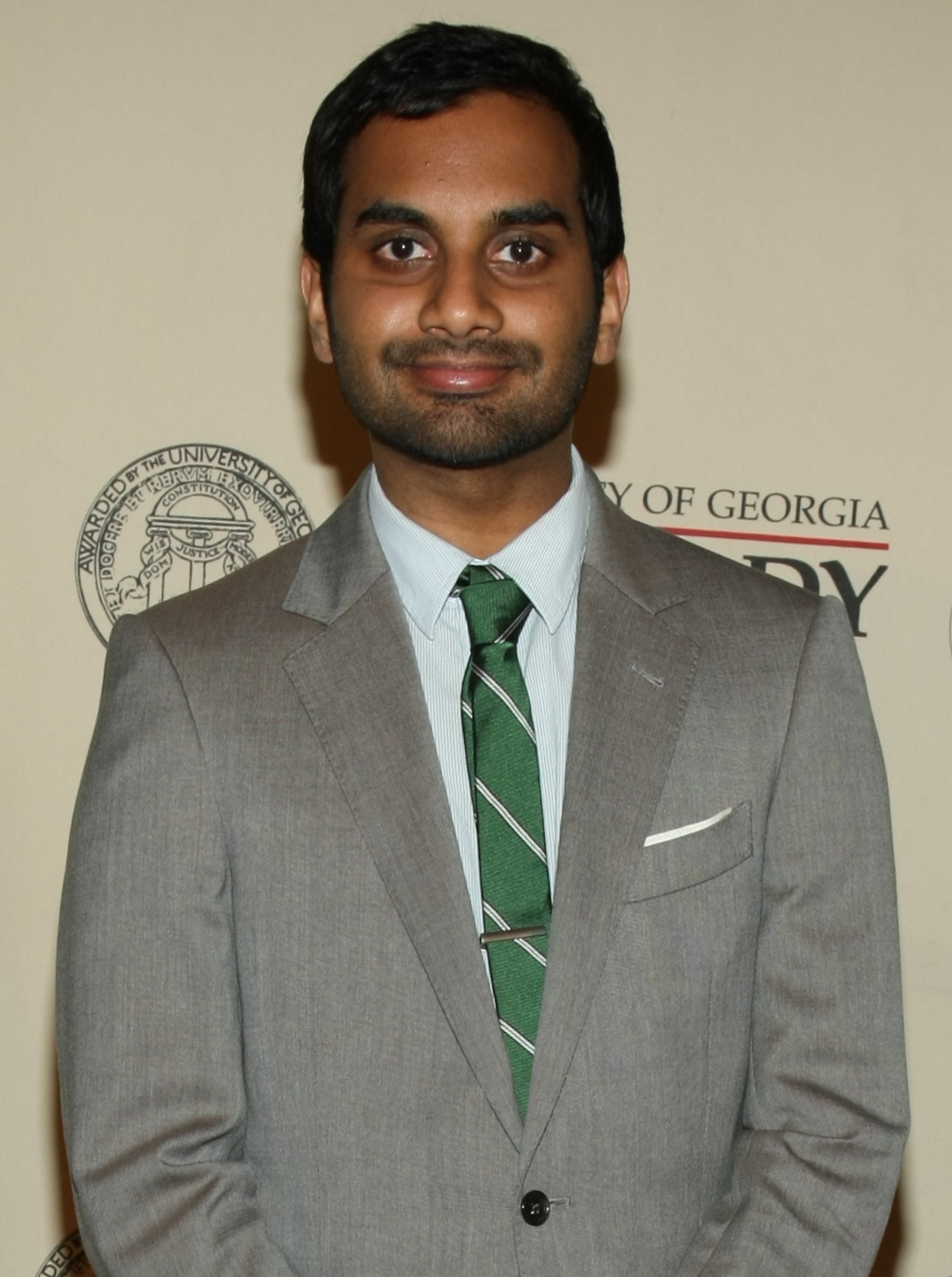
The dated Fresh Air interview is linked above. Photograph: Peabody Awards, via Wikimedia Commons, CC BY 2.0. Portrait from 2012, displayed at web size.
