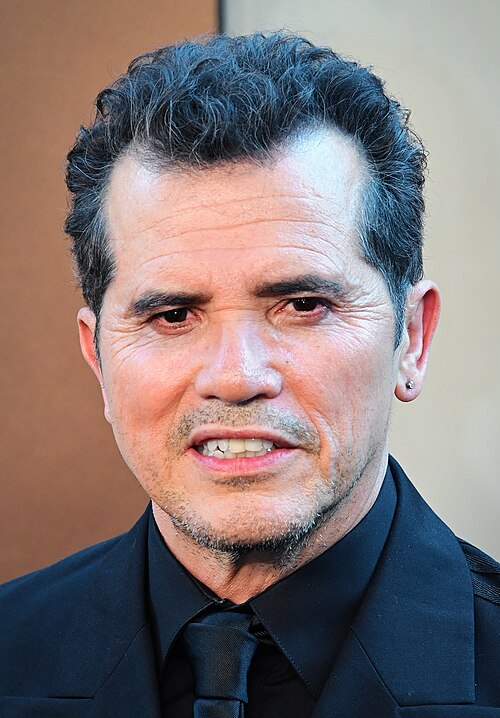
John Leguizamo grew up Catholic, but his public comments describe a less conventional spiritual outlook as an adult. In a 2026 conversation on NPR’s Wild Card, he called himself not religious while also describing creativity as spiritual. That combination is more accurate than simply labeling him a practicing Catholic.
Older remarks have sometimes led people to describe him as atheist or godless. His newer interview adds nuance. A responsible answer should distinguish a past comment, a joke, a childhood tradition, and a current explanation rather than flatten them into one permanent label.
What has he said about organized religion?
The Freedom From Religion Foundation records a 2020 television appearance in which Leguizamo described himself as godless. It also reproduces an older humorous answer about God. These provide evidence of his public distance from traditional religious identification, but comedy requires attention to tone.
The 2026 Wild Card conversation is especially useful because it explores belief at more length. Leguizamo does not present a formal creed. He describes uncertainty, spiritual dimensions of art, and lingering images from his Catholic upbringing. Those ideas should be reported in his own context.
What does he believe about life after death?
In that conversation, Leguizamo expressed hope that something of us continues through our deeds, words, and the influence we leave behind. He also connected some of his comfort about death with the religious pictures he encountered growing up.
That is not the same as a clear statement of faith in the bodily resurrection taught in the New Testament. Nor should a reflective conversation be treated as a final declaration about everything he believes. It gives a useful glimpse while leaving some questions unanswered.
Why does storytelling matter so much to him?
Leguizamo’s career spans film, voice acting, and personal stage performances. Audiences know work ranging from Carlito’s Way to Ice Age, alongside his one-person theater shows. He has used storytelling to bring attention to Latino experiences and history.
For many artists, creating something feels larger than the individual moment. A performance can express grief, invite empathy, and help someone feel seen. We can appreciate that value without assuming that a powerful artistic experience proves a particular belief about God or eternity.
Can art give us a lasting legacy?
In one sense, yes. Books, films, and plays can influence people long after their creators die. Remembering someone’s work can preserve an important part of their contribution. Scripture also treats words and actions as meaningful rather than disposable.
Yet being remembered and being alive are different claims. Christian hope does not rest mainly on an audience keeping a name in circulation. First Corinthians 15 points to the resurrection of Jesus as the basis for hope beyond death. The issue is an event and a promise, not simply continued influence.
Who should guide our moral decisions?
Leguizamo spoke warmly about his wife as a moral compass in the Wild Card interview. Trusted people can help us notice blind spots and accept correction. Proverbs 27:17 presents the value of people sharpening one another, and humility makes such relationships possible.
From a biblical perspective, however, even a wise person’s guidance must be weighed against God’s truth. People we love can make mistakes, and so can we. A healthy relationship encourages honesty without requiring someone to become the ultimate authority over right and wrong.
What does God’s standard show us?
God’s law does not ask whether we are more considerate than a movie villain or more accomplished than our neighbors. It commands truthfulness, faithfulness, and love. Have we lied, stolen, dishonored God, or treated another person as less important than ourselves?
Jesus taught that sin reaches into the heart, including lust and hateful anger. Romans 3:23 says all have sinned. Recognition of that failure is not a reason to sneer at another person. It is a reason to stop trusting our own record as the basis of acceptance before God.
What hope reaches beyond our achievements?
Jesus Christ, God’s Son, lived without sin and died on the cross for our sins. He bore the penalty we deserve. He was buried and rose bodily from the dead. First Corinthians 15:3–4 presents His death and resurrection as the foundation of the Gospel.
God offers forgiveness and eternal life by grace through faith in Jesus, not as a prize for a successful career or a moral performance. Ephesians 2:8–9 excludes boasting in works. You can trust Christ’s finished work rather than your ability to create a legacy impressive enough to save you.
Leguizamo’s public reflections invite a conversation about creativity, meaning, and mortality. Scripture offers a particular answer to that search: reconciliation with God through a living Savior, whose promise reaches beyond applause and remembrance.
Sources and photo credit
NPR Wild Card interview, August 2026, transcript; FFRF profile documenting earlier public remarks.
Photo: PhilipRomano, Wikimedia Commons, CC BY-SA 4.0. Cropped source, resized; image remains under the same license.
