The profile · Actor
Vanessa Kirby
Vanessa Kirby studied English literature before a first job involving three plays in Bolton. Theater, a royal drama, and demanding film roles followed, while she kept talking about the fear that can sit beside a public performance.
- Education
- English literature, University of Exeter[1]
- First professional theater
- Octagon Theatre, Bolton[2]
- 2021 Oscar
- Leading-actress nominee for Pieces of a Woman[4]
The person behind the work
Reading came before the royal role
Vanessa Kirby graduated from the University of Exeter with a first-class degree in English literature in 2009. When she received an Oscar nomination years later, former lecturers remembered her close reading and commitment to drama. Her university years were part of the preparation, rather than an unrelated detour before a screen career.[1]
Looking back in a 2019 Stylist interview, Kirby described heading north for her first job at Bolton’s Octagon Theatre: three plays in succession. She credited director David Thacker and acting teacher Andy Johnson with helping her begin. It is a specific reminder that an early break usually includes people willing to teach.[2]
Her theater work continued through roles including Stella in A Streetcar Named Desire and the title part in Julie. A live production gives a performer repeated encounters with the same material and a new audience each night. That working life helps fill the gap between a university biography and a familiar streaming role.[5]
A career in range
Selected work, at a glance
The person behind the work
Princess Margaret was a role, not a final destination
The Crown cast Kirby as Princess Margaret in its first two seasons. She won the 2018 television BAFTA for Supporting Actress. As the series moved forward in time, another actor took over the role. The work belonged to a particular period of a real person’s life, within a dramatization rather than a documentary record.[3][7]
Pieces of a Woman placed her at the center of a very different story, about a mother facing the death of her baby and the painful aftermath. The performance brought a 2021 leading-actress Oscar nomination. The subject can be deeply difficult for viewers, especially those who have experienced loss; an award does not make it easy viewing.[4]
Mission: Impossible — Fallout introduced her as the White Widow, while The Fantastic Four: First Steps cast her as Sue Storm. Those roles sit beside the stage and dramatic work. A large film can require sharp physical choices and quick clarity, while a quieter scene may leave a performer nowhere to hide.[5][6]
A closer look
Three ways into the work
The Crown: play the person inside the institution
A royal setting gives almost every private choice a public consequence. Kirby’s Margaret has to remain a character with wants and frustrations within that structure. The series dramatizes history and should be read alongside reliable historical accounts.[7]
Julie: remember the stage work
A title role concentrates attention, but theater still depends on the exchange with other performers and the audience. Kirby’s continued stage work is part of the career, rather than a footnote before television fame.[5]
Pieces of a Woman: grief does not keep a tidy schedule
The performance places loss inside strained relationships and ordinary time. A Christian response can meet that subject with patience and compassion. It should never turn another person’s bereavement into a quick lesson.[4]
The person behind the work
Fear, attention, and the way we speak inwardly
Asked what she wished she had noticed more in 2009, Kirby spoke about her thoughts and the unkind way she sometimes addressed herself. In the same interview she mentioned learning about the meat industry and her concern for children affected by war. These are dated personal reflections, not a promise that every later choice has stayed the same.[2]
The sources here do not clearly explain her present religious beliefs. What they do reveal is someone thinking about how an inner life affects outward action. That question has a reach beyond performance. The way we speak to ourselves can matter, but it does not by itself settle how we should respond to guilt, suffering, or the need for forgiveness.
Listen to the person
In their own words
October 2019
“I just always wear jeans and boots and hope for the best.”
Famous Faith’s Christian perspective
Beyond the Spotlight
The wish to change an inner life is familiar to many people. Christianity takes that desire seriously, while offering more than kinder self-talk. God knows our pain and our choices, and his love can meet us without asking us to disguise either one.
The Ten Commandments name real wrongs: stealing, lying, adultery, and coveting. They help us distinguish moral guilt from a general feeling that we are never good enough. God does not ask us to invent failures; he calls us to face the actual ways we have failed to love him and other people.
God’s law gives a standard beyond our harshest or kindest feelings about ourselves. Breaking it is sin (1 John 3:4). Jesus spoke of hell and final judgment, so the answer cannot be simply to feel better about everything we have done. Yet the warning belongs with love. We cannot turn it into a verdict on another person’s soul.
Jesus Christ, the Son of God, came into human life and remained without sin. He died on a cross for sinners and rose physically from the dead. God gives forgiveness through faith in him. This is salvation by grace, not a reward for enough self-improvement, service, or religious practice (John 3:16–18; Ephesians 2:8–9).
Repentance is an honest turn of heart and mind from sin and rebellion toward God. We begin trusting who he is, receiving the love he has shown through Jesus rather than treating him as someone to resist. It generally changes our actions as well: we tell the truth, seek forgiveness, and learn to love people with care. Growth does not require pretending that grief is easy or that every feeling is a moral fault. New obedience follows grace; it does not create it.
Bring real guilt to Christ rather than trying to carry it alone. His invitation includes forgiveness and a new direction, with patient support from believers who also depend on grace.
Explore the Good Person Test and the promise of forgiveness →
This section shares Famous Faith’s Christian beliefs. It does not speak for Vanessa Kirby.
People connected to the story
Follow the connections

Ebon Moss-Bachrach
They play Sue Storm and Ben Grimm in The Fantastic Four: First Steps.[6]
Read the profile →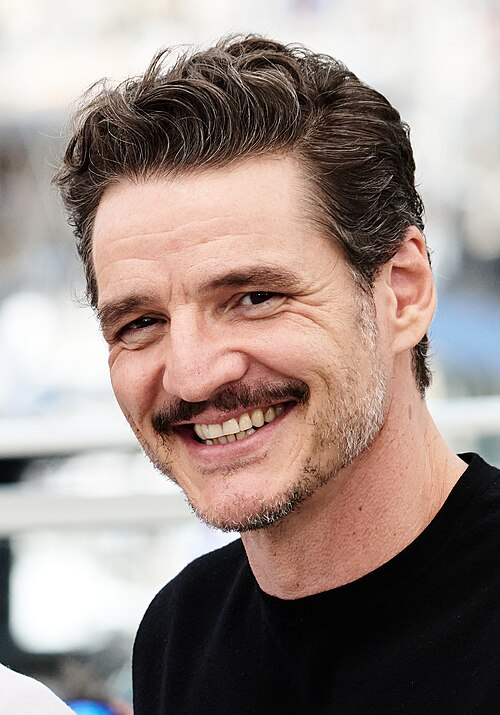
Pedro Pascal
His Reed Richards shares the film’s central family story with her Sue.[6]
Read the profile →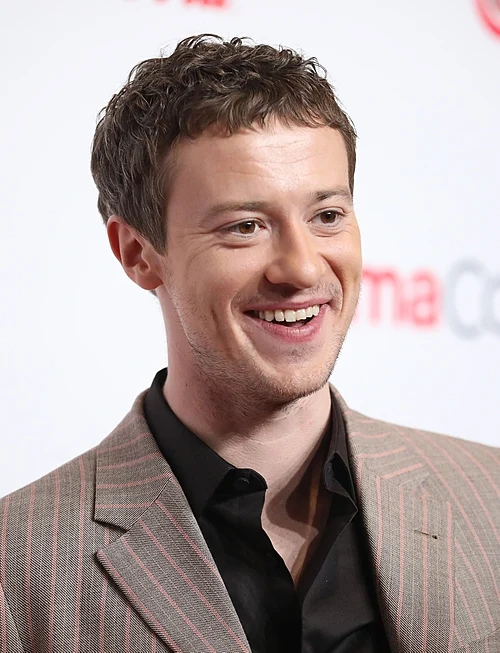
Sources and further reading
- University of Exeter — Former lecturers recognize Vanessa Kirby (2021)
- Stylist — Vanessa Kirby retrospective interview (2019)
- BAFTA — Vanessa Kirby, Supporting Actress winner (2018)
- Academy Awards — 2021 nominations and winners
- Vanessa Kirby — Stage and screen credits
- Marvel — The Fantastic Four: First Steps
- Hamilton Hodell — Vanessa Kirby professional television credits
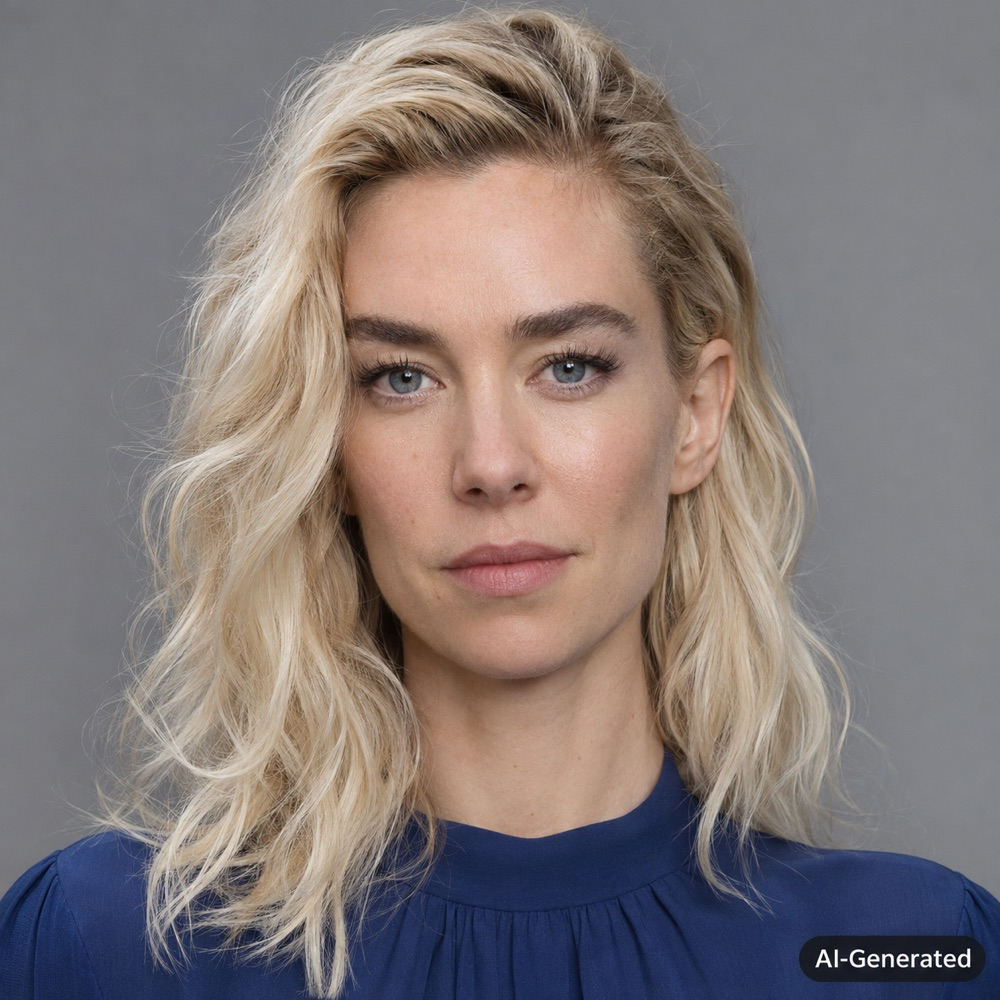
Artwork: Original AI-generated portrait of Vanessa Kirby, created for Famous Faith; not a photograph. The other AI-generated portraits shown here were also created for Famous Faith. No endorsement is implied.
Photograph: Pedro Pascal by Gabriel Hutchinson, via Wikimedia Commons, CC BY-SA 4.0. Cropped to a square card for display.

Photograph: Joseph Quinn by Gage Skidmore, via Wikimedia Commons, CC BY-SA 3.0. Cropped to a square card for display.

Film and book titles identify the works discussed. A career credit is not a recommendation that every reader watch or read that work.