The profile · Actor, director, producer, and Sundance Institute founder
Robert Redford
A leading man who also built space for other people’s stories.
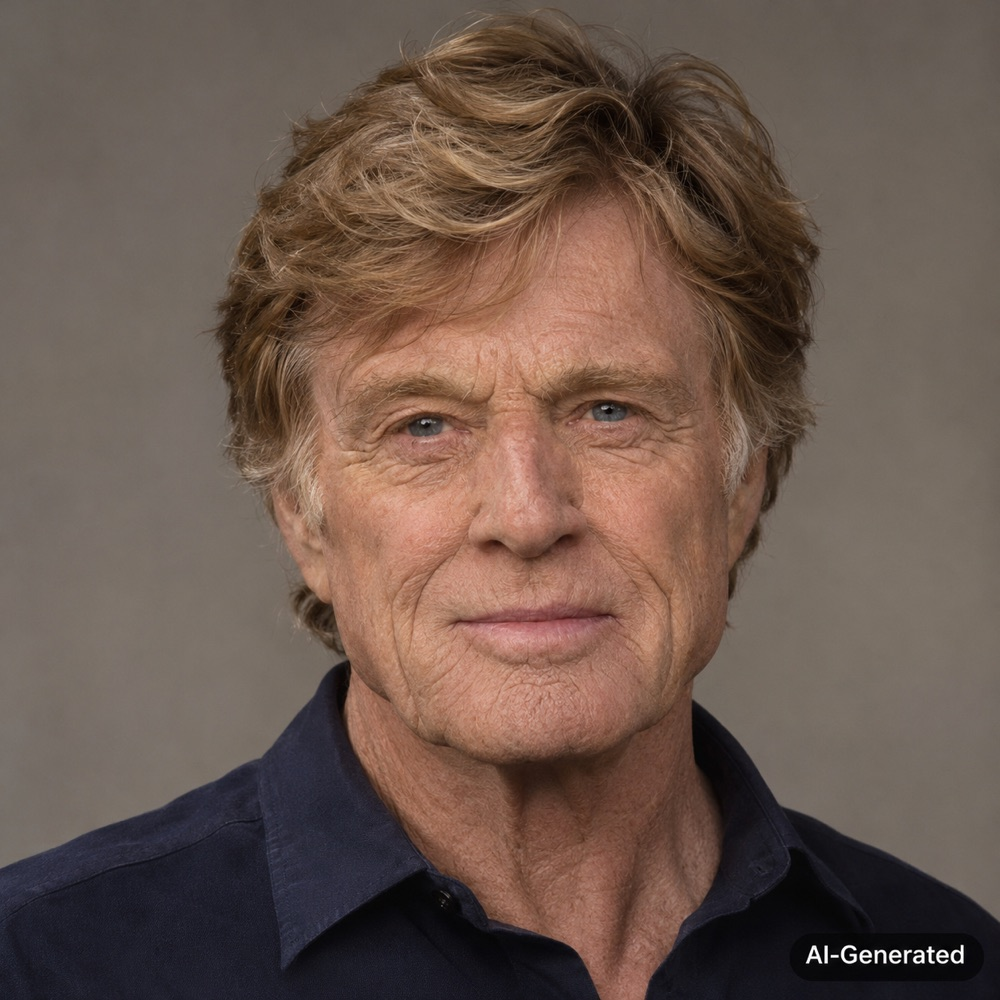
- Lived
- August 18, 1936 – September 16, 2025[1]
- Directing landmark
- Ordinary People (1980)[1]
- Institution founded
- Sundance Institute, 1981[2]
The person behind the work
Fame was one part of the story
Robert Redford became a leading film star through work that ranged from Barefoot in the Park to Butch Cassidy and the Sundance Kid and The Sting. His partnership with Paul Newman became part of movie history. Yet the actor’s career was not only a run of charming or adventurous characters. The Candidate and All the President’s Men also placed him inside stories about politics, image, and public trust.[1]
He moved behind the camera for Ordinary People, a family drama about grief and distance between people who live under the same roof. It won him the Academy Award for directing. Later directing credits included A River Runs Through It and Quiz Show. These were different kinds of stories, but each gave him a way to shape the whole film rather than only the character he played.[3][1]
A career in range
Selected work, at a glance
1967
Barefoot in the Park
Paul Bratter
A romantic comedy with Jane Fonda before his major Western breakthrough.[1]
1969
Butch Cassidy and the Sundance Kid
The Sundance Kid
His first celebrated pairing with Paul Newman.[1]
2014
Captain America: The Winter Soldier
Alexander Pierce
A late-career role inside a political thriller with superhero stakes.[3]
The person behind the work
Making room for the next filmmaker
Redford founded the nonprofit Sundance Institute in 1981. Its first group brought ten emerging filmmakers together with established artists to work on their projects. The Institute’s history is important to keep distinct from a simple claim that he started every part of the Sundance festival from nothing. The labs and support system were a particular investment in people whose work might otherwise have struggled to find a path.[2][4]
That legacy reaches beyond a famous name on a program. A lab can give a writer time to revise, access to experienced advice, and room to take a risk before a film is finished. Redford’s own public description of storytelling stressed its power to connect people. He died in September 2025, leaving both a screen career and an institution built to help stories continue after him.[2][1]
A closer look
Three ways into the work
All the President’s Men
A useful place to see Redford’s interest in public responsibility. Its attention to questions and confirmation makes careful reporting feel dramatic rather than merely procedural.[1]
Ordinary People
His directing work begins with a family that cannot easily speak about its pain. The smaller setting is a revealing contrast with his most famous adventures.[3]
Belief and legacy
Nature and his description of spirituality
In a 2007 interview, later quoted by The Humanist, Redford described nature as the guide for his spirituality and said organized religion did not satisfy him. It is a more specific account than assuming a church identity from family heritage or the themes of a film. The comment also belongs to its date; it does not let a writer claim knowledge of every later private thought.[5]
Listen to the person
In their own words
Sundance Institute founder statement
“Storytellers broaden our minds: engage, provoke, inspire, and ultimately, connect us.”
2007 interview, quoted in a 2018 profile
“If anything is my guide, nature is. That’s where my spirituality is.”
Famous Faith’s Christian perspective
Beyond the Spotlight
Stories can open a door into someone else’s life. Redford’s investment in emerging filmmakers gave that idea a practical shape. For Christians, listening carefully is part of loving a neighbor. It also makes room for stories of grief, failure, and longing that are harder to tell when everyone feels pressure to look successful.
The Bible asks for the same honesty about our own story. The Ten Commandments forbid stealing, false witness, and coveting; they call us to honor God rather than build life around a substitute (Exodus 20). Sin is breaking that law (1 John 3:4). None of us can edit the wrong out of our record. Jesus warned that judgment and hell are real. That calls for loving seriousness, not speculation about the eternal future of a person we have never known.
God’s response to sinners is the good news of Jesus Christ. His Son came as a human being, lived without sin, died on the cross for our sins, and rose bodily from the dead. Because of him, forgiveness and life with God are offered as gifts. We are saved by grace through faith, not because our achievements or influence have made us worthy (John 3:16–18; Ephesians 2:8–9).
Repentance is a turn of mind and heart from sin and rebellion toward God. It means learning to trust who he is, taking the love he has shown in Jesus more seriously than our own excuses. It usually changes behavior as well: we become more honest, seek to repair harm, and learn to love in practical ways. That growth follows forgiveness rather than purchasing it. A new direction can begin before a person knows how to put every part of life in order.
Your life does not need to make a memorable film to matter to God. You can come to Christ with the true account, including the parts you would rather leave out. Ask for forgiveness, trust his death and resurrection, and seek help to walk with him. The promise is not a more polished image. It is mercy and a living relationship with God.
Consider the Good Person Test and the hope of forgiveness →
This section shares Famous Faith’s Christian beliefs. It does not speak for Robert Redford.
People connected to the story
Follow the connections
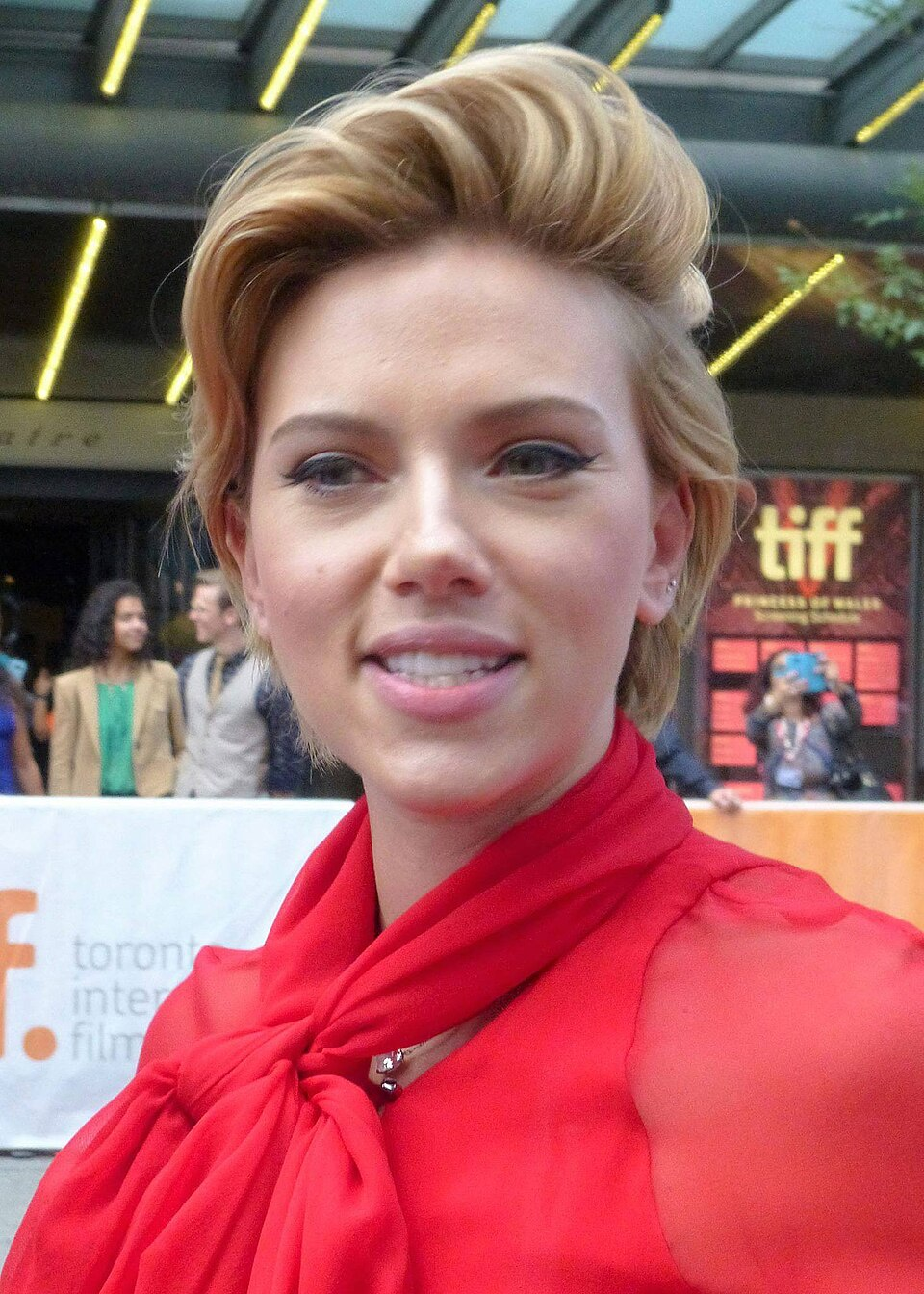
Scarlett Johansson
Her Natasha Romanoff is central to The Winter Soldier’s story.[3]
Read the profile →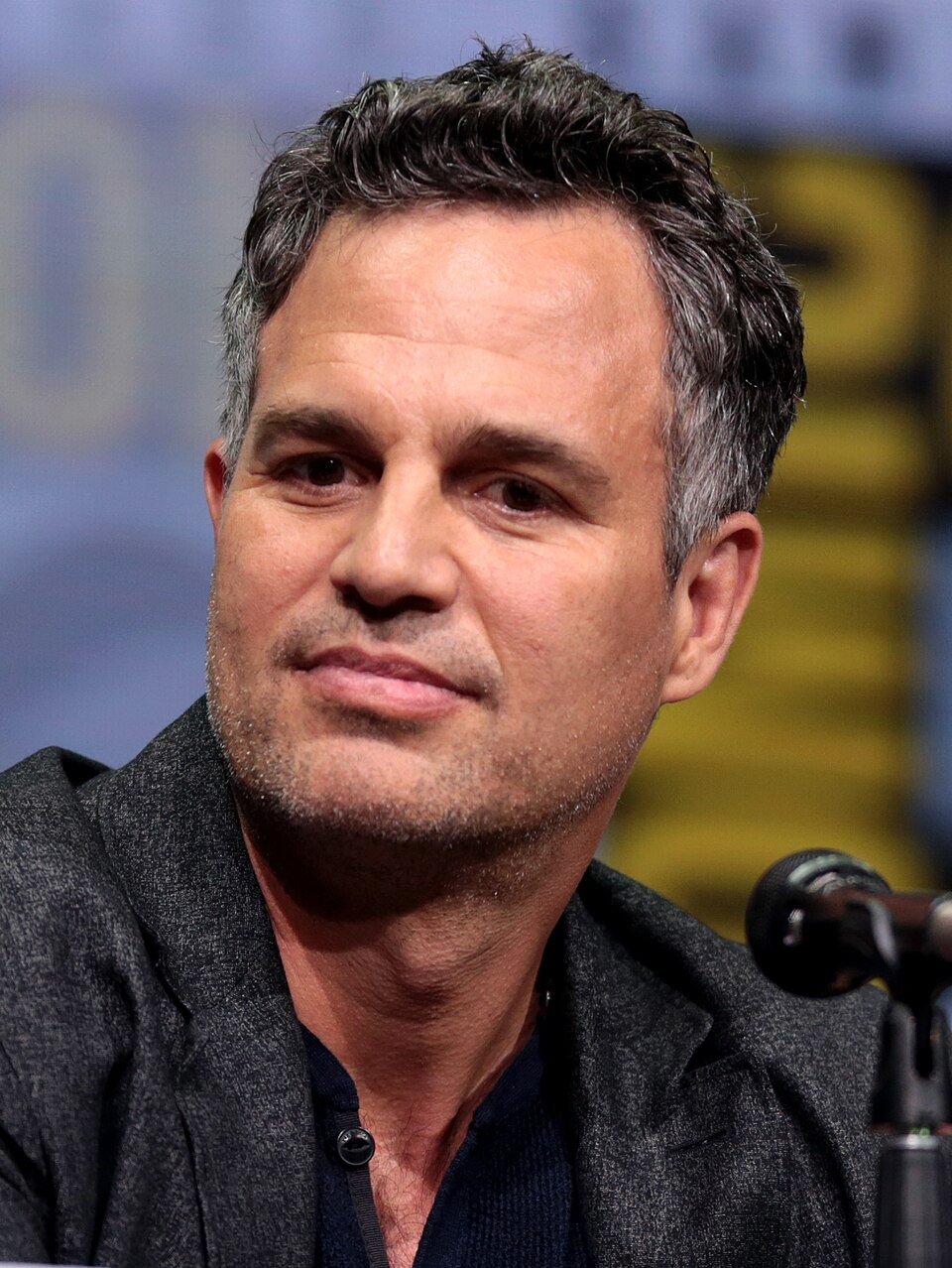
Mark Ruffalo
They co-star in The Last Castle, with Redford as Irwin and Ruffalo as Yates.[6]
Read the profile →Sources and further reading
- Golden Globes: Robert Redford career and life dates
- Sundance Institute: its founding and mission
- Robert Redford: biography and directing reference
- Sundance Institute historical timeline
- The Humanist: Redford’s 2007 comments on spirituality, quoted in a 2018 profile
- Paramount: The Last Castle synopsis and cast
Artwork: Original AI-generated portrait of Robert Redford, created for Famous Faith; not a photograph. The other AI-generated portraits shown here were also created for Famous Faith. No endorsement is implied.
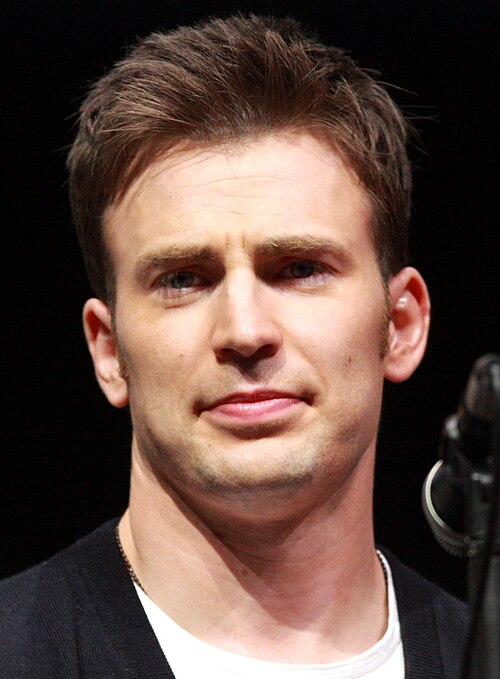
Photograph: Chris Evans by Gage Skidmore, via Wikimedia Commons, CC BY-SA 2.0. Cropped to a square card for display.

Photograph: Scarlett Johansson by GabboT, via Wikimedia Commons, CC BY-SA 2.0. Cropped to a square card for display.

Photograph: Mark Ruffalo by Gage Skidmore from Peoria, AZ, United States of America, via Wikimedia Commons, CC BY-SA 2.0. Cropped to a square card for display.

Film and book titles identify the works discussed. A career credit is not a recommendation that every reader watch or read that work.