The profile · Writer, director, and producer
Joss Whedon
Joss Whedon helped make ensemble television a place for sharp humor, grief, and long-running character stories. His career also requires a clear account of colleagues’ serious workplace allegations and the ways he has disputed them.
- Education
- Wesleyan University, class of 1987[1]
- Television creation
- Buffy the Vampire Slayer and Firefly[2]
- Public belief statement
- Atheist, discussed in 2013[5]
The person behind the work
A writer working with groups and long consequences
Joss Whedon graduated from Wesleyan in 1987. His screen career developed through writing before his name became closely associated with television series he created. Buffy the Vampire Slayer followed a young woman’s life through a supernatural setting, while Angel and Firefly gave him other ensembles and different kinds of troubled communities.[1][2]
The series made room for jokes beside loss, and for consequences that could continue across many episodes. That mix helps explain their strong audience attachments. The fictional groups did not have to agree all the time for viewers to want to remain with them.[2]
Serenity continued Firefly as a feature film. Later, Whedon wrote and directed The Avengers and Avengers: Age of Ultron. Those released films place him in the history of the series; they do not establish a current role on Doomsday, whose official credits name other filmmakers.[3][4][6]
A career in range
Selected work, at a glance
The person behind the work
A Shakespeare film between the large productions
Whedon also made Much Ado About Nothing, a black-and-white adaptation of Shakespeare filmed at his home with actors he knew. His 2013 BAFTA conversation describes the smaller project beside the much larger Avengers production. It offered a different working space without leaving ensemble performance behind.[7]
That contrast gives readers a way to see beyond one kind of success. A television season, a contained adaptation, and an action feature all require decisions about what the audience knows and how characters affect one another. The size of the production does not remove the need for clear relationships.
At Wesleyan’s 2013 commencement, Whedon spoke about mortality, change, and accepting that a person can hold competing ideas. The speech is an account of the advice he offered that day. It should not be used as a guarantee that the speaker always lived up to it.[1]
A closer look
Three ways into the work
Buffy: let consequences continue
The series helped build attachment through relationships that could change over time. Studying the writing can include serious questions about its values and the treatment of characters. Interest in the fiction does not require overlooking reports about the workplace.[2]
Firefly and Serenity: a community crosses formats
A television ensemble continued into a feature with less time to reintroduce everyone. The change of format makes choices about focus especially visible. Both contain violence and mature themes.[2]
Much Ado About Nothing: compare the size of the stage
A smaller setting puts language and relationships close to the center. The project is a useful contrast with the effects-heavy features, though Shakespeare’s play and this adaptation contain adult themes.[7]
The person behind the work
A stated outlook and serious criticism of conduct
Asked in TIME whether being an atheist made it easier to create supernatural worlds, Whedon answered that it gave him a need to write fantasy. He described not having a fantastical belief of his own. This is a dated first-person discussion of atheism, rather than a conclusion drawn from fictional vampires or gods.[5]
In 2021, actor Charisma Carpenter publicly alleged that Whedon abused his power during Buffy and Angel, including mistreatment around her pregnancy. Other performers also spoke about harmful working environments. In a 2022 interview, Whedon disputed important parts of the accounts while acknowledging that some of his own behavior had not been civil.[8][9]
The claims and responses deserve to be described carefully. Creative achievement does not cancel a colleague’s account of harm. At the same time, a profile should distinguish an allegation, an admission, and an established finding rather than blend them into one label.
A Christian assessment should make that same distinction. The duty to treat people with dignity applies to everyone, including people who speak publicly for good causes. It also applies to the way readers discuss someone accused of wrongdoing. Accountability and humane treatment belong together.
Listen to the person
In their own words
May 2013
“Live all of your life. Understand it, see it, appreciate it. And have fun.”
Famous Faith’s Christian perspective
Beyond the Spotlight
The gap between public ideals and actual treatment of people is a serious concern. The Bible asks us to take harm and truth seriously without pretending that the writer or reader stands above the need for mercy. A person’s beliefs are relevant to discussion, but no label makes anyone morally self-sufficient.
The Ten Commandments forbid murder, adultery, theft, and false witness. Jesus also addressed anger and desire in the heart. The standard reaches the way we use power and the words we choose when others are vulnerable. Sin is not only a dramatic failure by someone in a headline.
Scripture defines sin as breaking God’s law (1 John 3:4). This reaches every worldview, including people who profess Christianity. Jesus taught that hell and final judgment are real. The warning should awaken compassion and honesty, not an appetite to see someone condemned. We cannot infer a person’s eternal future from a career, a label, or a headline.
God offers hope through his Son, Jesus Christ. Jesus lived without sin, died on the cross for sinners, and rose bodily from death. Forgiveness comes through faith in him, by grace. No reputation for good ideals, creative work, or religious service can earn it (Romans 5:8; Ephesians 2:8–9). Mercy takes wrongdoing seriously while still offering a way home.
Repentance turns a changed heart and mind from sin and rebellion toward God. Trusting his love, made known through Jesus Christ, means letting go of our resistance to his truth and rightful authority. It normally brings changed actions: listening truthfully, accepting responsibility, ending harmful behavior, and learning to love. These actions follow grace rather than purchasing it. Forgiveness is never a demand that people who report harm stop seeking truth, protection, or proper accountability.
The invitation is open without asking anyone to minimize harm. Come to Jesus truthfully, trust his mercy, and seek wise Christian support for a life of responsibility, changed conduct, and love.
Explore the Good Person Test and the promise of forgiveness →
This section shares Famous Faith’s Christian beliefs. It does not speak for Joss Whedon.
People connected to the story
Follow the connections
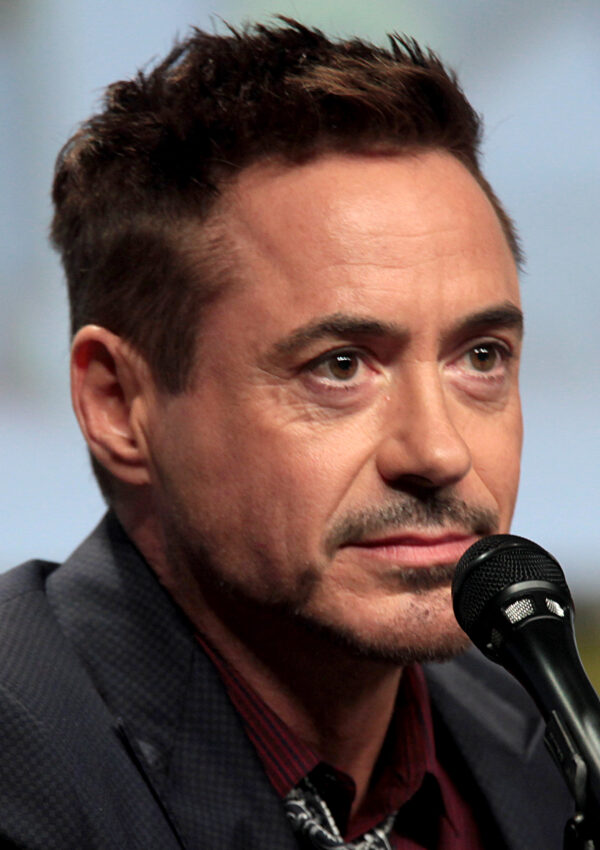
Robert Downey Jr.
Whedon directed his Tony Stark in the first two Avengers films.[3][4]
Read the profile →
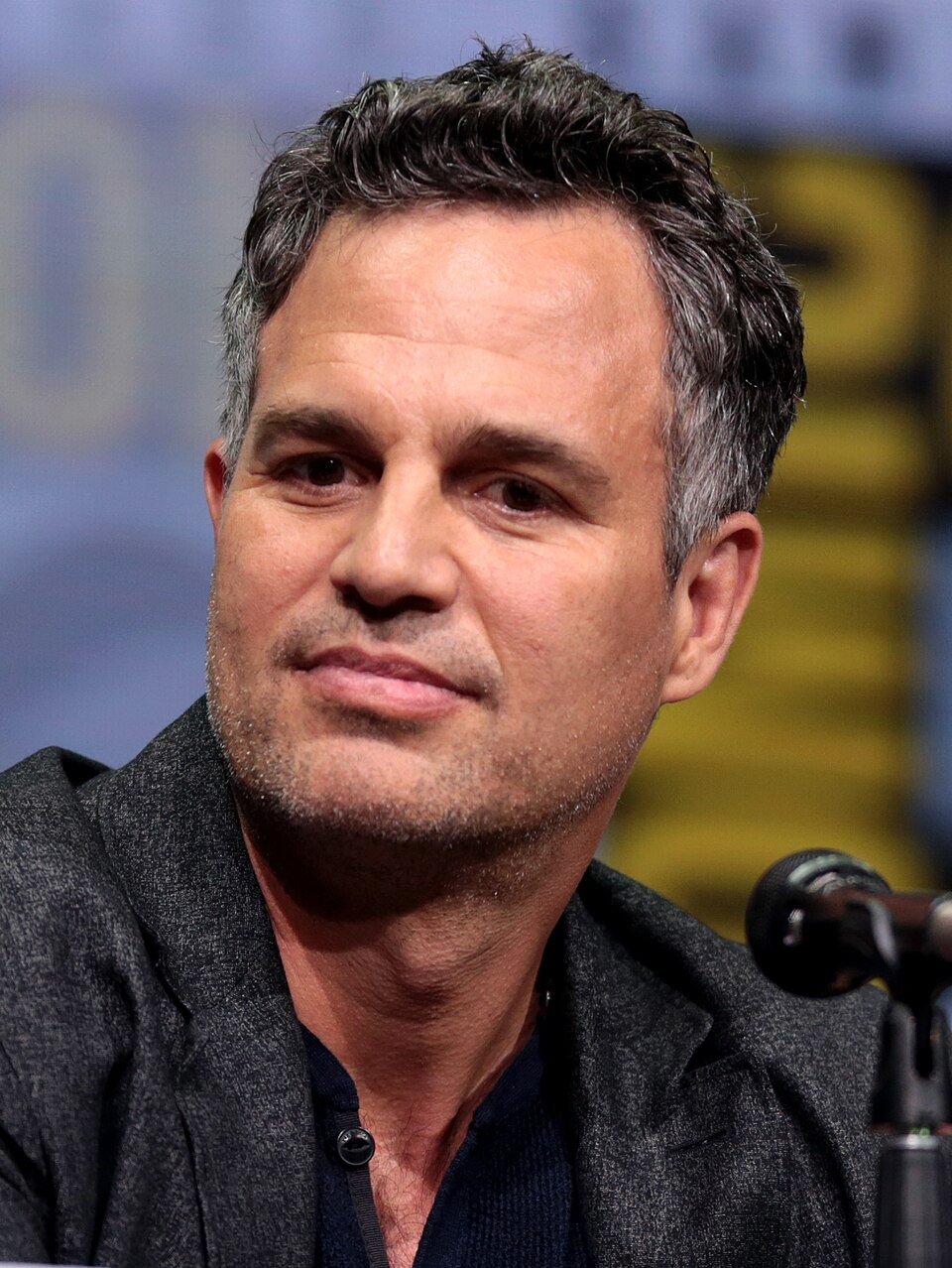
Mark Ruffalo
Whedon directed Ruffalo’s first released film performance as Bruce Banner.[3]
Read the profile →Sources and further reading
- Wesleyan University — Whedon’s commencement address (2013)
- Joss Whedon — Film and television credits
- Disney — The Avengers credits
- Disney — Avengers: Age of Ultron credits
- TIME — First-person interview with Joss Whedon (2013)
- Disney — Avengers: Doomsday current credits
- BAFTA — Joss Whedon: A Life in Pictures (2013)
- WDIV — Carpenter’s public statement and colleagues’ responses (2021)
- Euronews — Whedon’s response to misconduct claims (2022)
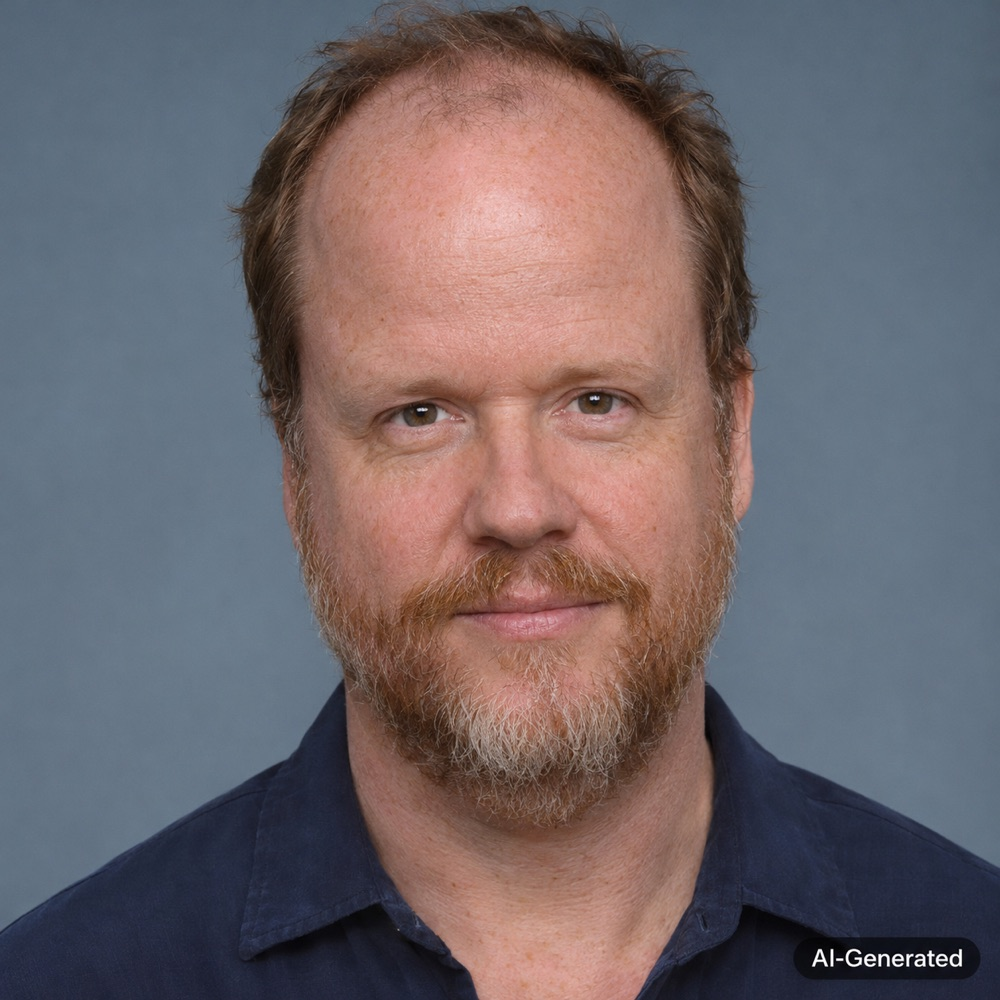
Artwork: Original AI-generated portrait of Joss Whedon, created for Famous Faith; not a photograph. The other AI-generated portraits shown here were also created for Famous Faith. No endorsement is implied.
Photograph: Robert Downey Jr. by Gage Skidmore, via Wikimedia Commons, CC BY-SA 2.0. Cropped to a square card for display.

Photograph: Scarlett Johansson by GabboT, via Wikimedia Commons, CC BY-SA 2.0. Cropped to a square card for display.

Photograph: Mark Ruffalo by Gage Skidmore from Peoria, AZ, United States of America, via Wikimedia Commons, CC BY-SA 2.0. Cropped to a square card for display.

Film and book titles identify the works discussed. A career credit is not a recommendation that every reader watch or read that work.