The profile · Actor and musician
Harry Dean Stanton
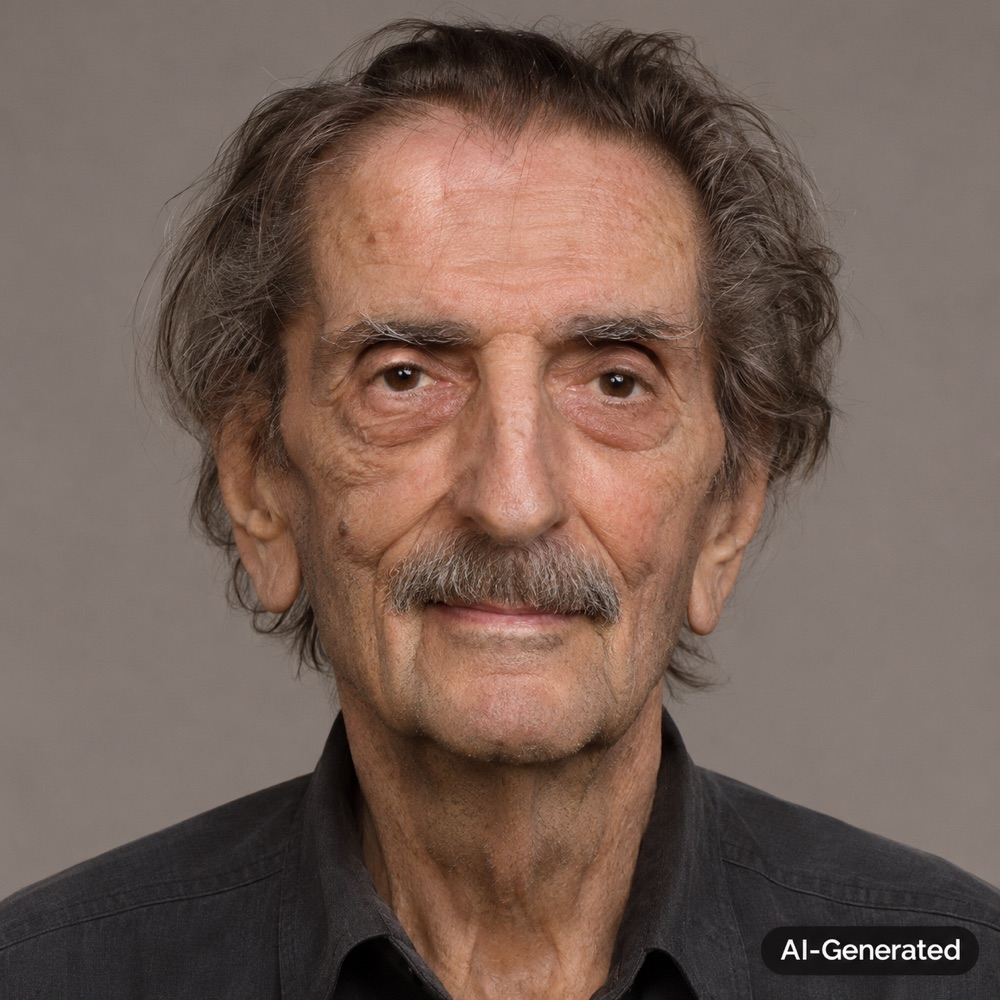
Harry Dean Stanton could make a brief appearance feel like a whole life had entered the room. His long career joined small roles, a late breakthrough, music, and a face that filmmakers trusted to hold a silence.
- Life
- 1926–2017[1]
- Breakthrough lead
- Paris, Texas (1984)[2]
- Another love
- Singing and harmonica[2]
The person behind the work
The face that made a small part matter
Harry Dean Stanton spent decades in supporting roles before becoming the center of Paris, Texas. Born in Kentucky, he served in the U.S. Navy during World War II and later studied at the Pasadena Playhouse. The route was long, and the work was not always glamorous. It gave him experience in many kinds of productions.[1]
An NPR remembrance points to films such as Cool Hand Luke, Alien, Repo Man, and The Straight Story. Audiences might recognize him before they remembered his name. That is part of a character actor’s unusual place in film: the person who helps make a world believable may receive much less attention than the star.[2]
Stanton’s work rewards a different kind of attention. Rather than waiting for the largest speech, watch the response after another person speaks. A tired look, an unfinished thought, or a sudden warmth can suggest a past the script never sets out in detail. His face did not need to become young or polished to remain worth watching.
A career in range
Selected work, at a glance
1984
Paris, Texas
Travis Henderson
A late leading role built around memory and broken relationships.[1]
Music and presence
A voice that belonged in the room
Music was another part of Stanton’s working life. He sang and played harmonica, and collaborators remembered a particular love of songs. Writer-director Brian McGuire’s account of knowing him includes that musical side alongside the actor’s sharp edges and humor. It is a portrait from someone who worked with him, not a claim that he was simple to understand.[4]
Lucky gave him a late leading role in a story about an older man’s routines and mortality. The film’s spare shape leaves room for small encounters and for a song to carry emotion. Its central character shares details with Stanton, but a written film is still a performance rather than a full record of an actor’s beliefs or life.[3]
That distinction makes the films richer. We can think about age, loneliness, and affection without turning a fictional scene into a quotation from the actor’s diary. The story gives us room to listen before deciding what a person means.
A closer look
Three ways into the work
Let Paris, Texas take its time
The early silences matter. Watch what happens when a person cannot easily explain where he has been or what he has done. The film contains adult themes, but its patience is a useful lesson in how stories can make room for regret.
Notice a working person in Alien
Brett is not the person who knows every answer. His ordinary reactions help establish the crew as people doing jobs. That makes the threat more frightening. The film has strong horror violence.
Hear the feeling in Lucky
A small daily routine can become a way of thinking about a whole life. Listen to the singing as well as the dialogue. The performance finds connection without needing a tidy answer to every question.
His public words
An outlook that kept questioning
A 1988 interview captures his questioning outlook.[5]
Listen to the person
In their own words
1988
“I don’t believe in beliefs.”
Famous Faith’s Christian perspective
Beyond the Spotlight
Stanton’s films often leave space for regret and for the need to be heard. Those are human concerns, not proof of any one belief. The Bible approaches them by saying that a person is known by God, even when the rest of the world notices very little.
Being known also means being seen truthfully. First John 3:4 calls sin the breaking of God’s law. The Ten Commandments name wrongs we can recognize: lying, stealing, coveting, and dishonoring God. Jesus also spoke about anger and lust in the heart (Matthew 5:21–28). We can hurt people before the damage becomes public. This is a mirror for every reader, including Christians, rather than a reason to sit in judgment over a late actor.
Jesus warned that judgment and hell are real. That is painful to consider, and it should be discussed with care. God’s love does not make evil harmless. His answer to our guilt is Jesus Christ, his Son, who lived without sin, died on the cross for sinners, and rose bodily from the dead. Forgiveness is offered by grace through faith in him, not earned by a long career or a record of good deeds.
Repentance is a change of mind and heart that turns from sin and our resistance to God. We turn toward him in trust, looking to Jesus Christ and the love God has shown through him. It normally changes our choices because our direction has changed. We can stop defending the wrong, ask for mercy, and trust Christ. Making amends matters where it is possible, but it cannot purchase salvation. The invitation is to receive forgiveness and begin learning a more truthful, loving way of life. We need not settle another person’s eternal story to respond honestly to that invitation ourselves.
Explore the Good Person Test and the promise of forgiveness →
This section shares Famous Faith’s Christian beliefs. It does not speak for Harry Dean Stanton.
People connected to the story
Follow the connections

Robert Downey Jr.
Stanton has a brief appearance in The Avengers, the ensemble led in part by Downey’s Tony Stark. It is one small credit in a much wider career.
Read the profile →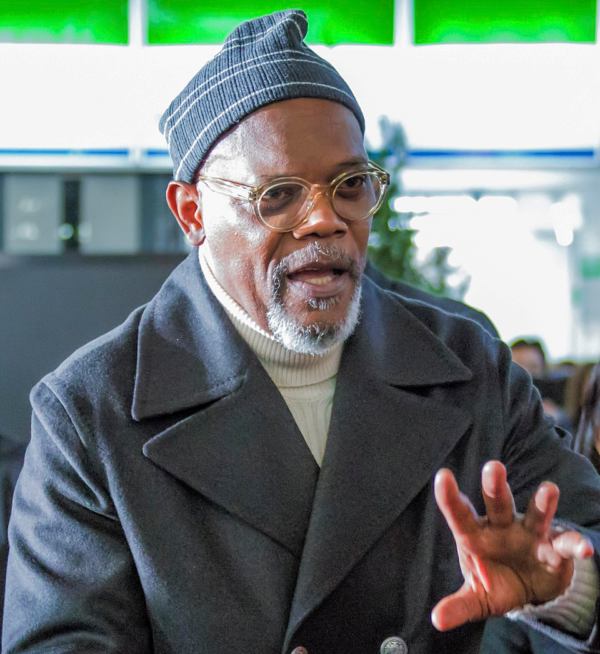
Samuel L. Jackson
Both are part of The Avengers cast, with very different amounts of screen time. Their profiles offer two routes into the life of a working actor.
Read the profile →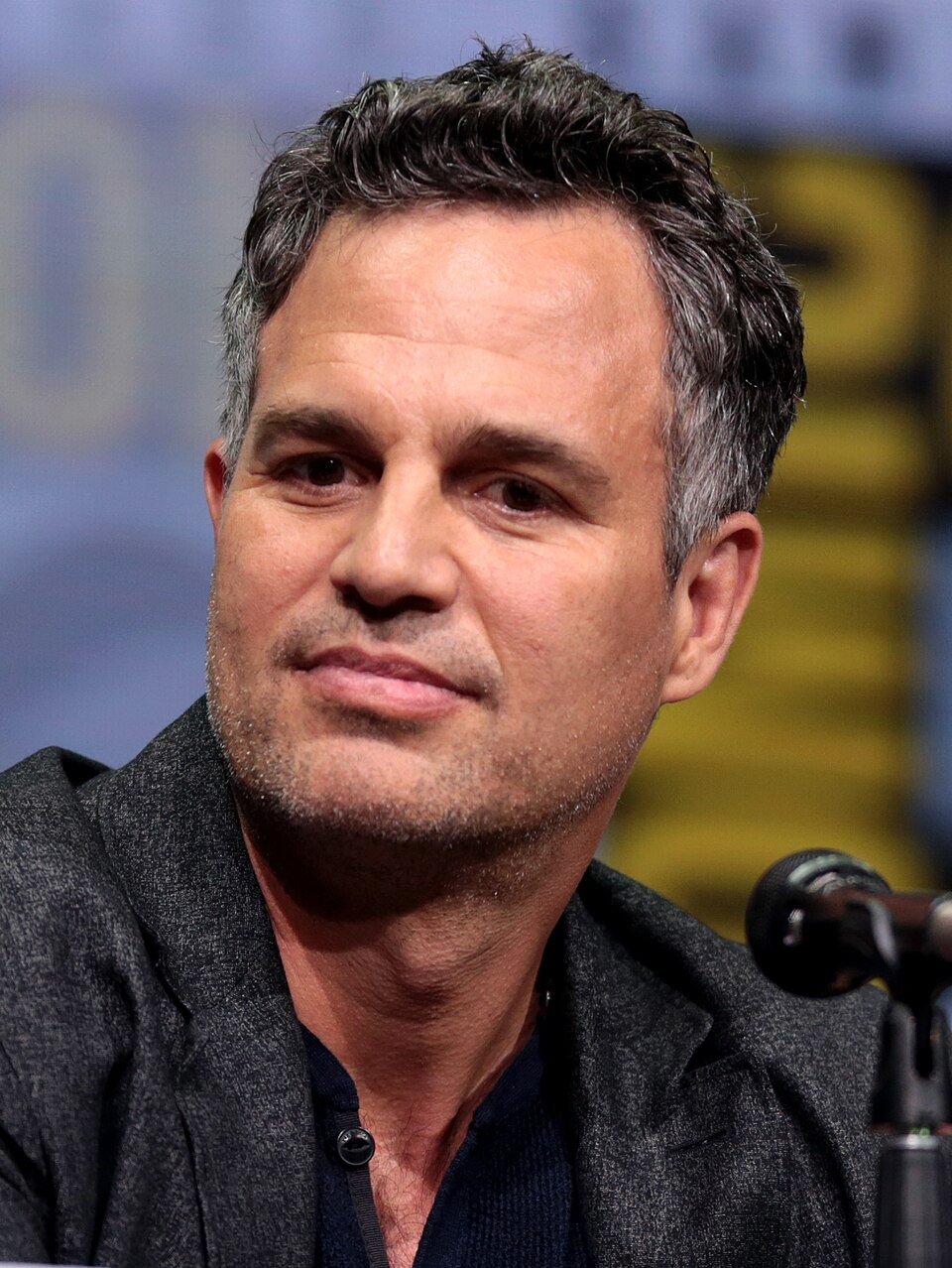
Mark Ruffalo
Stanton’s security guard encounters the aftermath of the Hulk’s arrival in The Avengers. The small exchange depends on an everyday response to something impossible.
Read the profile →Sources and further reading
- Harry Dean Stanton — biography and film credits
- NPR — A supporting actor who became a star
- NPR — A review of Lucky
- Talkhouse — A collaborator remembers Stanton
- Los Angeles Times (1988)
Artwork: Original AI-generated portrait of Harry Dean Stanton, created for Famous Faith; not a photograph. The other AI-generated portraits shown here were also created for Famous Faith. No endorsement is implied.
Photograph: Robert Downey Jr. by Gage Skidmore, via Wikimedia Commons, CC BY-SA 2.0. Cropped to a square card for display.

Photograph: Samuel L. Jackson by Dick Thomas Johnson, via Wikimedia Commons, CC BY 2.0. Cropped to a square card for display.

Photograph: Mark Ruffalo by Gage Skidmore from Peoria, AZ, United States of America, via Wikimedia Commons, CC BY-SA 2.0. Cropped to a square card for display.

Film and book titles identify the works discussed. A career credit is not a recommendation that every reader watch or read that work.