The profile · Actor
Hannah John-Kamen
Childhood performances for the parents became drama-school work, then days moving between a television set and a final-year stage show. Hannah John-Kamen’s imagination has found room in games, space stories, thrillers, and comedy.

- Training
- Royal Central School of Speech and Drama[1]
- First professional television
- Whitechapel while still in drama school[2]
- Another medium
- Voice work in games[1]
The person behind the work
An imagination that kept finding a stage
Hannah John-Kamen described making childhood performances for friends and parents before acting became a profession. The Golden Globes interview recalls a child already eager to create adventures and find an audience. The scale changed later, but the pleasure of imagining another world remained part of how she explained the job.[3]
She trained at the Royal Central School of Speech and Drama, studying acting with musical theater. During her final year she booked Whitechapel. In Interview magazine, she remembered going from professional filming back to school performances, glad she could finish the work with her classmates rather than suddenly leave the group.[1][2]
Her background also includes two very different parental professions: her father worked in forensic psychology and her mother had been a model. She spoke of home as a family setting rather than an extension of their jobs. It is a small detail that helps keep a public career in proportion.[2]
A career in range
Selected work, at a glance
The person behind the work
Different worlds, familiar human problems
Killjoys gave her a long-running lead role as Dutch. Black Mirror asked for a very different approach in two separate stories, with different characters. An anthology does not offer the same gradual familiarity as a continuing series; the audience needs to understand a new person quickly.[2][1]
She later played the title figure in The Stranger and appeared in Brave New World. Talking to NME, she considered how science fiction can reflect problems that already exist. The distance of an imagined setting can make a familiar issue easier to notice, especially when the characters believe their society has solved it.[5]
There is a useful way to watch her work across those settings: look for what the character knows that the people around her do not. A withheld answer can create suspense. A confident line can cover uncertainty. Those questions keep the performance human when the scenery is unfamiliar.
A closer look
Three ways into the work
Follow a character over time
Killjoys gives space for habits, loyalties, and the effect of experience. Notice how a response changes once an audience knows what the character has survived. A long run can make a small difference carry more meaning.
Listen to what a secret does
The Stranger is built around unequal knowledge. Watch how a conversation changes when one person knows why they are there and the other does not. The tension is in the balance of information as well as the words.
Look past the imagined setting
Brave New World asks its audience to consider a society through the people living inside it. The production contains sexual and other mature material, so this entry describes the acting rather than serving as a viewing recommendation.
The person behind the work
Learning from a part without adopting its world
John-Kamen has described learning through the characters she plays. Her interviews here do not give a clear account of personal religious practice. They do show curiosity about how people make choices under pressure, and an interest in what imagined stories can reveal about ordinary life.[3]
That curiosity gives a gentle bridge to a moral question the reader can share: when a character’s choices trouble us, what standard are we using? The Bible’s answer begins with God’s character and the real duties we owe one another.
Listen to the person
In their own words
2021 interview
“I’m always learning through the characters I play”
Famous Faith’s Christian perspective
Beyond the Spotlight
Stories about secrets remind us how much a person can keep out of view. God’s knowledge reaches further than an audience’s or a neighbor’s. Christianity presents that truth together with his love, rather than asking us to hide until we appear worthy.
The Ten Commandments include not lying, not stealing, and not coveting what belongs to someone else. They reach beyond a polished appearance. Jesus also spoke about the heart beneath our actions, including anger and desire that treat other people as objects rather than neighbors.
1 John 3:4 explains sin as breaking God’s law. The point is personal before it is public: each of us has choices to answer for. Jesus spoke seriously about hell and final judgment. We should hear that with concern and humility, without pretending we know the eternal future of someone whose life we see only in part.
The Christian answer is not a better mask. God’s Son, Jesus Christ, lived a sinless human life, gave himself on the cross for our sins, and rose physically from the dead. Forgiveness is offered through faith in him. It comes by grace, not through a perfect performance or a religious appearance (Romans 5:8; Ephesians 2:8–10).
To repent is to turn from sin and rebellion toward God, with a changed mind and heart. We learn to trust who he is and the love that he has shown in Jesus Christ. A changed direction usually becomes visible in changed behavior, though growth takes time. We learn to confess wrong, seek forgiveness, and care for others. The invitation is offered by Christians who also need mercy, not by people standing above everyone else.
There is no role to perform before coming to Christ. Speak to him honestly, ask for forgiveness, and seek believers who will walk with you patiently as you learn to follow him.
Explore the Good Person Test and the promise of forgiveness →
This section shares Famous Faith’s Christian beliefs. It does not speak for Hannah John-Kamen.
People connected to the story
Follow the connections
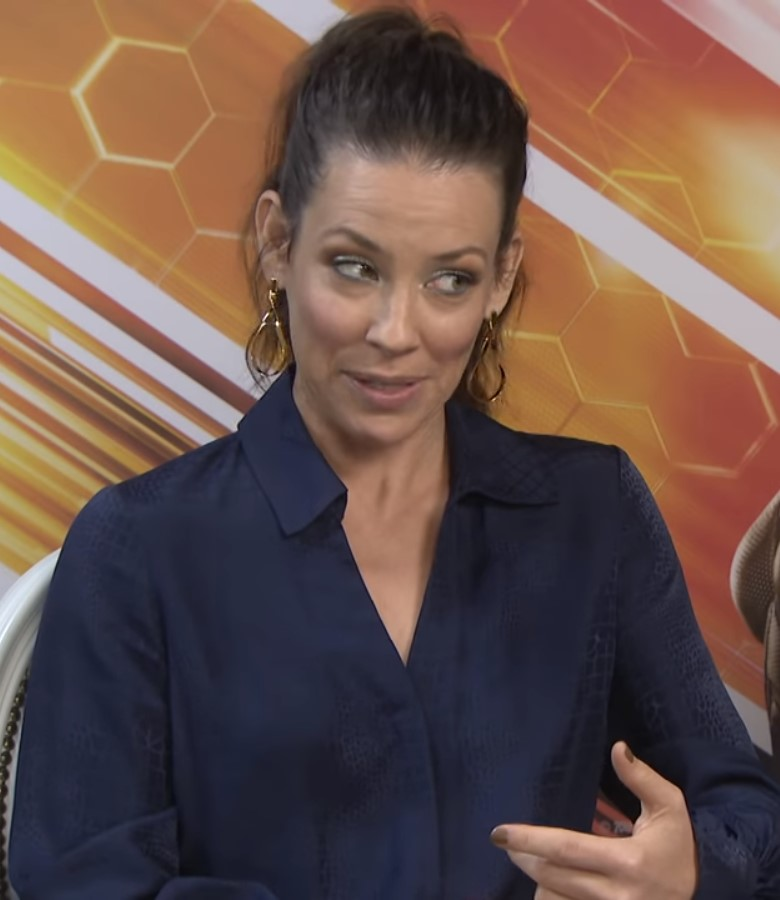
Evangeline Lilly
Lilly’s Hope van Dyne and John-Kamen’s Ava Starr share the same film story.[4]
Read the profile →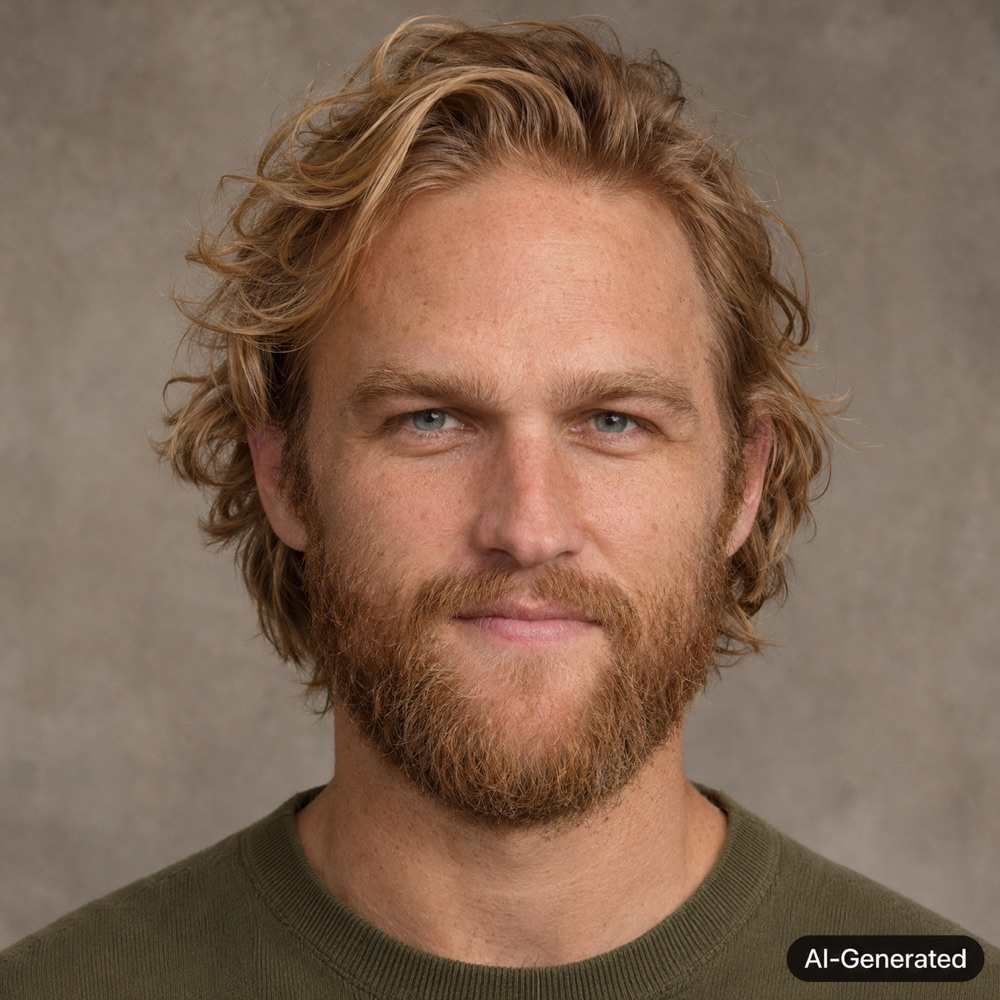
Wyatt Russell
Both appear in the Thunderbolts ensemble and in the announced Doomsday cast.[6]
Read the profile →Sources and further reading
- Scott Marshall Partners — Hannah John-Kamen professional CV
- Interview — Discovery: Hannah John-Kamen (2017)
- Golden Globes — Hannah John-Kamen interview
- Hannah John-Kamen — Screen credits
- NME — John-Kamen on science fiction (2020)
- Disney — Confirmed Doomsday cast
Artwork: Original AI-generated portrait of Hannah John-Kamen, created for Famous Faith; not a photograph. The other AI-generated portraits shown here were also created for Famous Faith. No endorsement is implied.
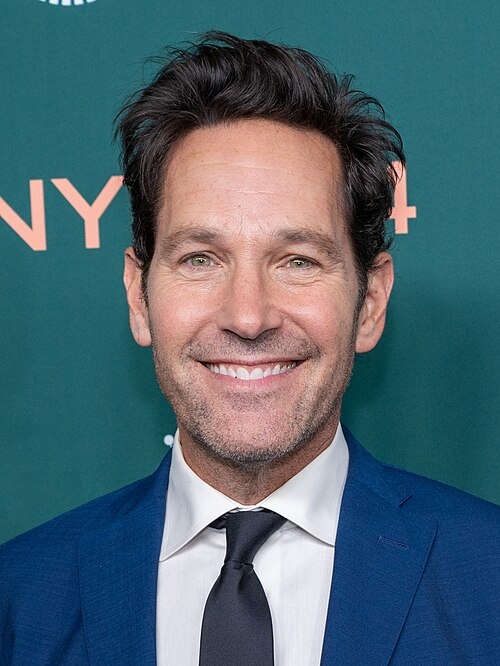
Photograph: Paul Rudd by Bryan Berlin, via Wikimedia Commons, CC BY-SA 4.0. Cropped to a square card for display.

Photograph: Evangeline Lilly by MTV UK, via Wikimedia Commons, CC BY 3.0. Cropped to a square card for display.

Film and book titles identify the works discussed. A career credit is not a recommendation that every reader watch or read that work.