The profile · Actor
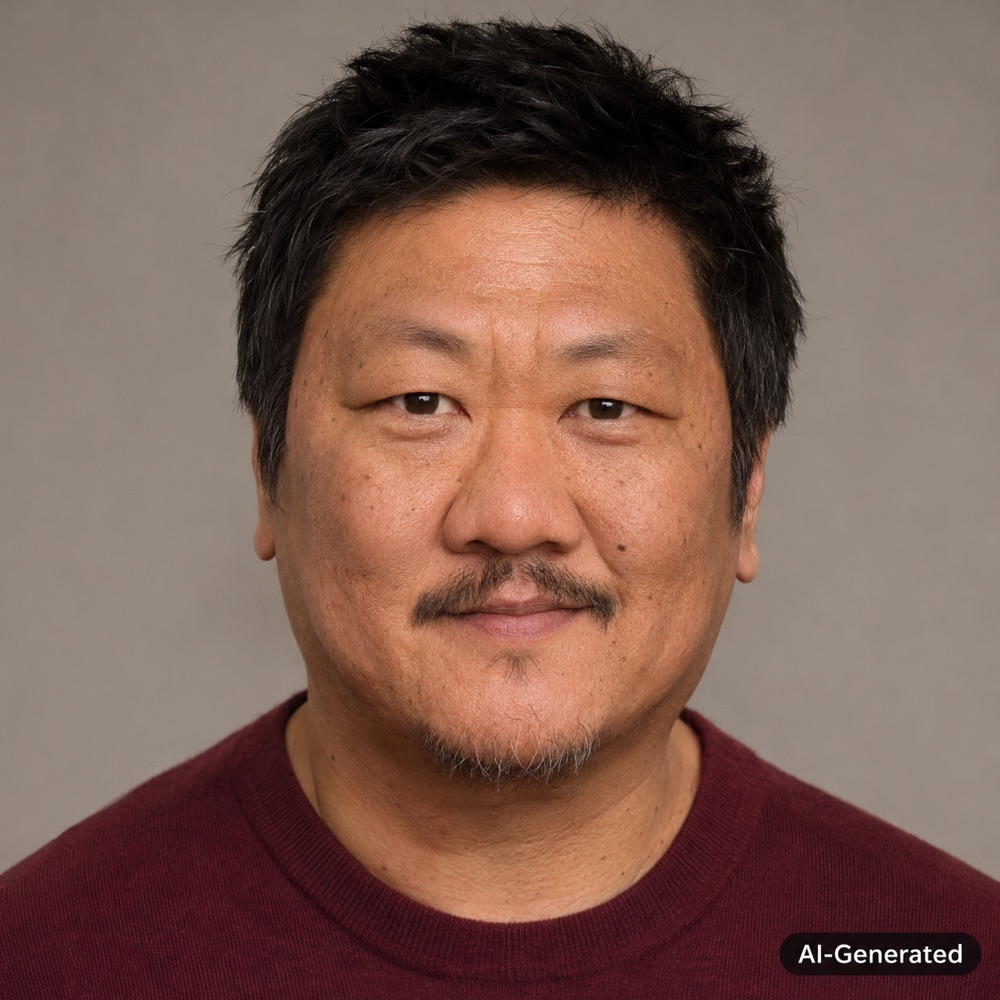
Benedict Wong
Benedict Wong’s path runs from Salford classrooms and a love of comics to quiet character work, sharp comedy, and international productions. The thread is a working actor’s interest in making each person on screen feel distinct.
- Roots
- Born in Eccles; raised in Salford[1]
- Early training
- Performing arts at Salford City College[2]
- Recognition
- Honorary Doctorate of Arts, Salford, 2026[1]
- Notable range
- 15 Storeys High, Marco Polo, 3 Body Problem[1]
The person behind the work
A local beginning with a wide horizon
Benedict Wong was born in Eccles and raised in Salford. He studied performing arts at Salford City College before building a career across stage and screen.[2]
In a 2016 Salford Now interview, he remembered being a young comics reader and traveling to Manchester’s Odyssey 7 shop. That memory gives his later work a pleasing full circle: a childhood interest became one part of a professional life. It also helps explain the delight he expressed in entering the world of Doctor Strange.[2]
But the wider filmography matters just as much. He can be funny without pushing for a joke and serious without making a character seem remote. To see the range, move between a small comedy and a large science-fiction story. The change in setting is obvious; the control of tone is often the more interesting part.
A career in range
Selected work, at a glance
2024 onward
3 Body Problem
Da Shi
A practical investigator gives the science-fiction puzzle a human point of contact.[1]
Range without losing the person
From an early spark to a long working life
In his 1883 interview, Wong recalled the excitement of performing at school and moving toward formal training. An early chance to perform helped him imagine a future he could then work toward.[3]
In July 2026, the University of Salford recognized his long career with an honorary Doctorate of Arts. It gave a local beginning a formal homecoming.[1]
The University of Salford’s tribute points to Dirty Pretty Things as an important screen breakthrough and notes the award attention for Nine Days. It also places his comic work as Errol in 15 Storeys High beside Kublai Khan in Marco Polo and Da Shi in 3 Body Problem. Those credits belong to different genres, but they all ask him to make a person convincing inside a very particular world.[1]
A good way to watch him is to notice how little he sometimes needs to do. A pause, a practical question, or a dry reply can make a scene feel grounded when everything around it is elaborate. That is especially valuable in stories with large ideas. The audience needs someone whose reactions feel human enough to follow.
A closer look
Three ways into the work
Start small with 15 Storeys High
The comedy makes a good contrast with his much larger productions. Look at how a reaction can be funny without a speech explaining it. Screen size and emotional precision are different things.
Slow down with Nine Days
This is an entry point for viewers interested in a more reflective kind of drama. Give the pauses time. A character can change the feel of a conversation by making space rather than taking it over.
Follow the questions in 3 Body Problem
Da Shi is useful to watch as a listener. While the story grows more complicated, his questions can keep a viewer connected to the immediate problem: what is happening, and who can be trusted?
What is known
A quieter part of the public story
The sources here focus on Wong’s training, career, and connection with Salford. They do not give a clear statement of his personal religion. The most direct way to understand the beliefs he has chosen to discuss in these interviews is to listen to his comments about work, opportunity, and the places that shaped him.
Listen to the person
In their own words
October 2016
“It’s just nice to see the investment as a kid, returning back to you in your adult life”
Famous Faith’s Christian perspective
Beyond the Spotlight
Wong’s journey from local classes to international work leaves room to appreciate teachers, early interests, and patient effort. A life has meaning before the wider world notices it. Christianity grounds that worth in God, who made people to know him and to love one another.
That purpose includes moral responsibility. The Ten Commandments tell us to honor God and parents and forbid lying, stealing, adultery, and coveting (Exodus 20). Sin is breaking God’s law (1 John 3:4), including wrong that remains hidden from an audience. We all need mercy. Jesus warned about judgment and hell, so the Christian invitation should carry both seriousness and tenderness.
The center of that invitation is Jesus Christ, God’s Son. He lived without sin, died on the cross for our sins, and rose bodily from the dead. God offers forgiveness and a new relationship with him through faith in Christ. Salvation is a gift of grace, not a reward for talent, perseverance, or a religious record (Romans 5:8; Ephesians 2:8–9).
Repentance is a changed mind and heart that turns away from sin and rebellion toward God. We learn to trust who he is and to receive the love he has shown in Jesus Christ. A new direction normally brings new choices, even though learning continues. Readers can confess their need and trust Jesus as Lord and Savior. Grace gives us a reason to begin again, put wrongs right where possible, and offer other people the patience we need ourselves.
This section shares Famous Faith’s Christian beliefs. It does not speak for Benedict Wong.
People connected to the story
Follow the connections

Elizabeth Olsen
Wong and Olsen appear in Doctor Strange in the Multiverse of Madness, bringing very different energies to the same story.[4]
Read the profile →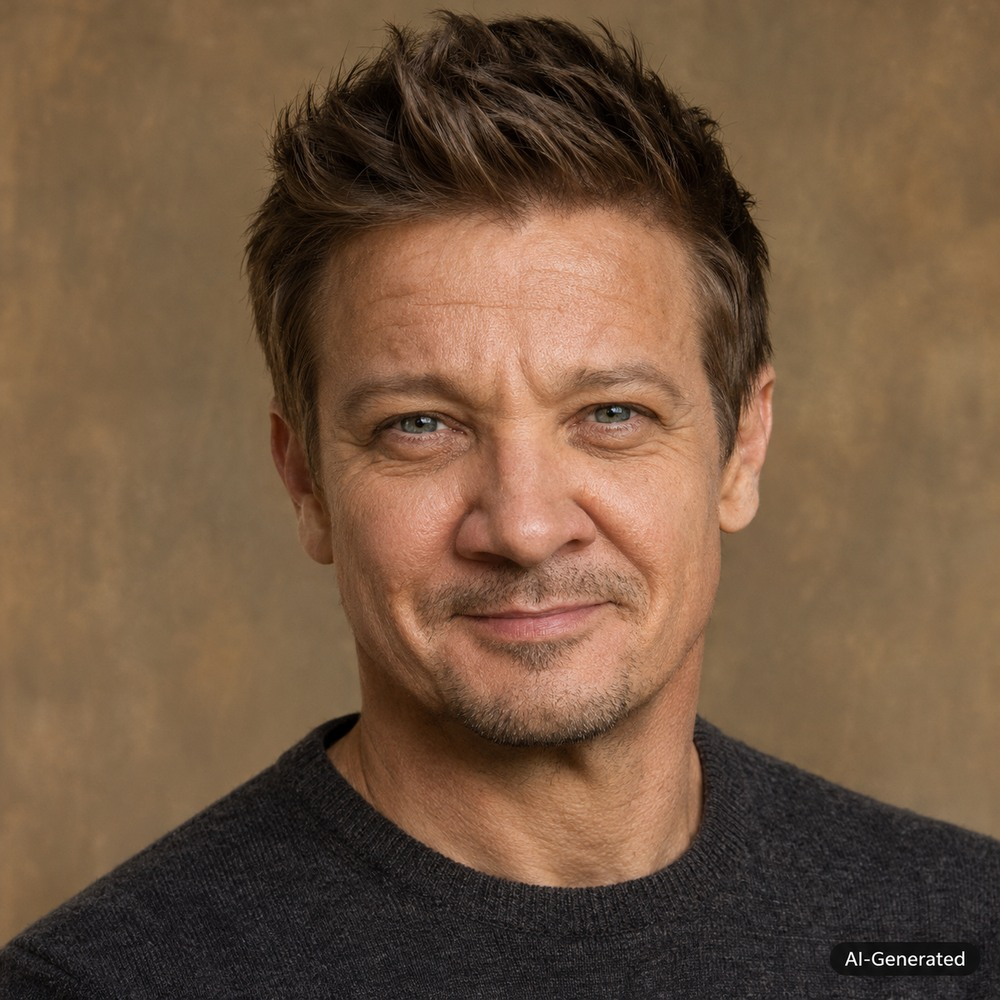
Jeremy Renner
Both appear in Avengers: Endgame. Their profiles offer different routes through long working careers, training, and large ensemble films.[5]
Read the profile →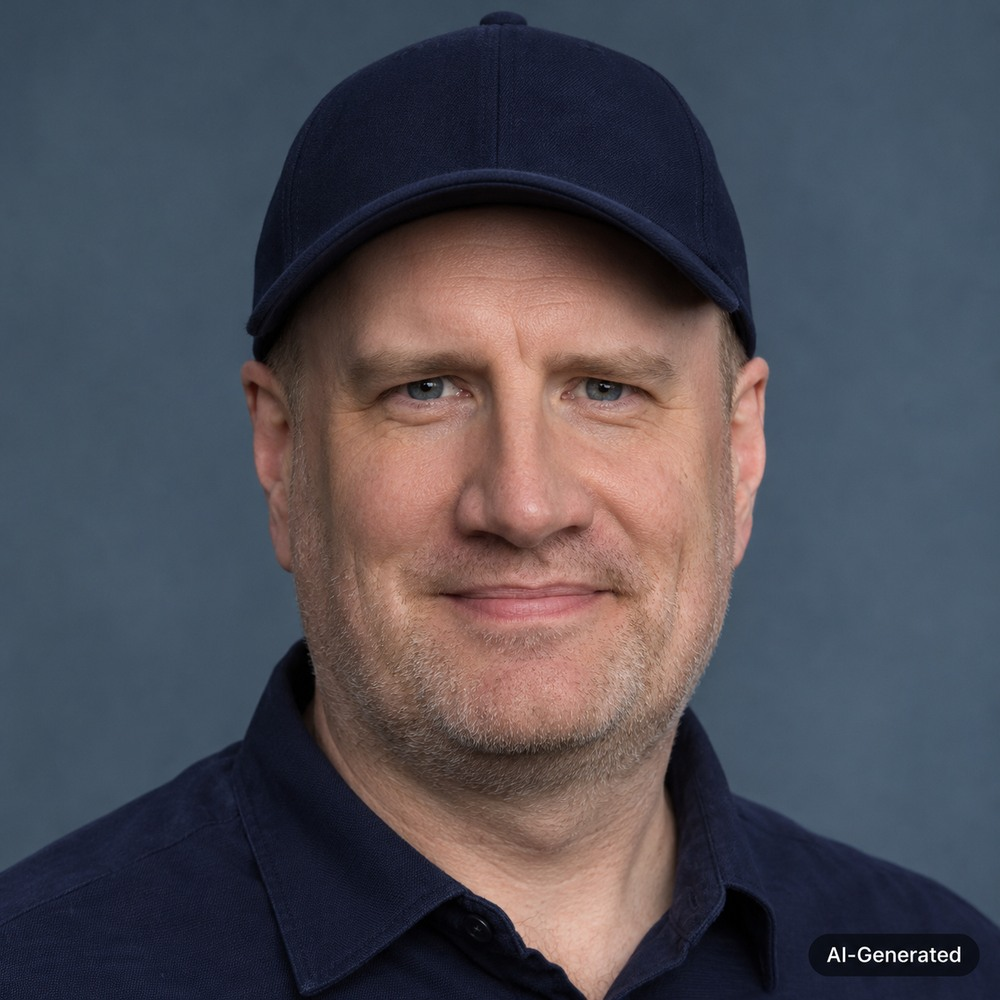
Kevin Feige
Feige’s producing story connects with Wong’s recurring film role. Wong’s wider work also includes intimate drama and British comedy.
Read the profile →Watch in context
Inside the ensemble of 3 Body Problem
Published by SAG-AFTRA Foundation. Watch on YouTube ↗
Sources and further reading
- University of Salford — Benedict Wong honorary degree (2026)
- Salford Now — Benedict Wong interview (2016)
- 1883 Magazine — Benedict Wong interview
- Marvel — Doctor Strange in the Multiverse of Madness
- Marvel — Avengers: Endgame
Artwork: Original AI-generated portrait of Benedict Wong, created for Famous Faith; not a photograph. The other AI-generated portraits shown here were also created for Famous Faith. No endorsement is implied.
Film and book titles identify the works discussed. A career credit is not a recommendation that every reader watch or read that work.