The profile · Actor, writer, director, and composer
Julie Delpy
Julie Delpy’s work is as much about making stories as appearing in them. She acts, writes, directs, and composes, with a long interest in the conversations people use to discover—or avoid—the truth about a relationship.

- Film partnership
- Céline in the Before trilogy[1]
- Writing recognition
- Oscar nominations for Before Sunset and Before Midnight[2][3]
- Directing work
- 2 Days in Paris and 2 Days in New York[4]
- Early interest
- Writing since her teens[5]
The person behind the work
The actor who kept writing
Julie Delpy began working with major European directors while still young. Sony’s biography for Before Midnight includes Jean-Luc Godard, Agnieszka Holland, and Krzysztof Kieślowski among her early collaborators. That background gave her a career across countries before many English-speaking viewers met Céline.[6]
Before Sunrise began the story of Céline and Jesse in 1995. Before Sunset and Before Midnight returned to them years later, with Delpy sharing screenplay credit with Ethan Hawke and Richard Linklater. The two later films brought her Oscar nominations for writing. It is important to include that credit rather than describe her only as the person performing the lines.[1][2][3]
In a 2004 Hot Press interview, Delpy spoke about writing from her teenage years. The work did not begin only when a finished film made it visible. The gap between writing something and obtaining the means to make it is part of many filmmakers’ lives.[5]
A career in range
Selected work, at a glance
Words and the work behind them
A conversation can be built with great care
The Before films can feel like conversations that simply happened. Their writing and collaboration tell another story: naturalness on screen can be the result of very deliberate choices. Sundance’s account of the 2013 Before Midnight premiere places the film inside a partnership that had developed over nearly two decades.[7]
Delpy also made projects outside that partnership. In 2 Days in Paris and 2 Days in New York, she wrote, directed, and starred. A PBS SoCal conversation about Lolo describes the confidence she gained through earlier writing work and her continuing effort to make her own films.[4][8]
The useful distinction is between a character and the person shaping the story. A disagreement on screen may contain the writer’s observations, but it is still a scene built for these people in this situation. Reading every line as a personal confession makes the craft harder to see.
A closer look
Three ways into the work
Hear the time between the Before films
Returning after several years changes the weight of an ordinary question. A viewer can compare what the characters once imagined with what they now face. The films contain mature sexual discussion and other adult themes.
Notice the scale of 2 Days in Paris
A short visit gives a story a clear boundary. Watch how language, family history, and a familiar place become sources of misunderstanding. The comedy includes sexual material and strong language.
Separate writing from apparent ease
Before Midnight is useful for thinking about a scene that feels unplanned. A natural exchange still has a shape, pressure, and a place in the larger story. Those are writing choices as well as acting choices.
Belief in context
Leaving space for the private person
The interviews used here are much more detailed about writing and directing than religious practice. They do not provide a clear account of Delpy’s personal religion. Her fictional conversations can raise questions worth considering without becoming a statement of everything she believes.
Listen to the person
In their own words
2004
“I’d go crazy without writing”
Famous Faith’s Christian perspective
Beyond the Spotlight
A careful conversation can uncover something that a quick label hides. Delpy’s work makes room for the way people change, argue, and try to remain close. The Bible also asks us to speak truthfully, with love, rather than use words simply to protect ourselves.
That standard is more than good manners. First John 3:4 calls sin lawlessness. In the Ten Commandments, false witness, theft, adultery, and coveting are named as wrong. God also asks for our love and honor. Jesus teaches that anger and lust in the heart matter before they become visible acts. Words can wound, desire can turn another person into an object, and self-justification can keep us from admitting the harm.
Jesus spoke seriously about judgment and hell. Christians should handle those words with gentleness, not use them to close a conversation or humiliate someone. God’s love is shown in Jesus Christ, his Son. He lived without sin, died on the cross for sinners, and rose bodily from death. Through faith in him, forgiveness is given by grace. A good argument, an artistic achievement, or an improved reputation cannot earn it.
Repentance means our mind and heart turn from sin and from defending our resistance to God. We learn to trust him as he has made himself known, including his love shown in Jesus Christ. It normally changes behavior because we begin to want truth more than a successful excuse. We may need to confess a lie, turn from betrayal, or ask forgiveness without making the other person responsible for our choice. These are responses to grace, not payments for it. We can come honestly to Christ, receive mercy, and learn to speak and live with a love that takes both truth and other people seriously.
Explore the Good Person Test and the promise of forgiveness →
This section shares Famous Faith’s Christian beliefs. It does not speak for Julie Delpy.
People connected to the story
Follow the connections

Robert Downey Jr.
Delpy has a brief role as Madame B. in Age of Ultron. It is a small part of a career largely built elsewhere.
Read the profile →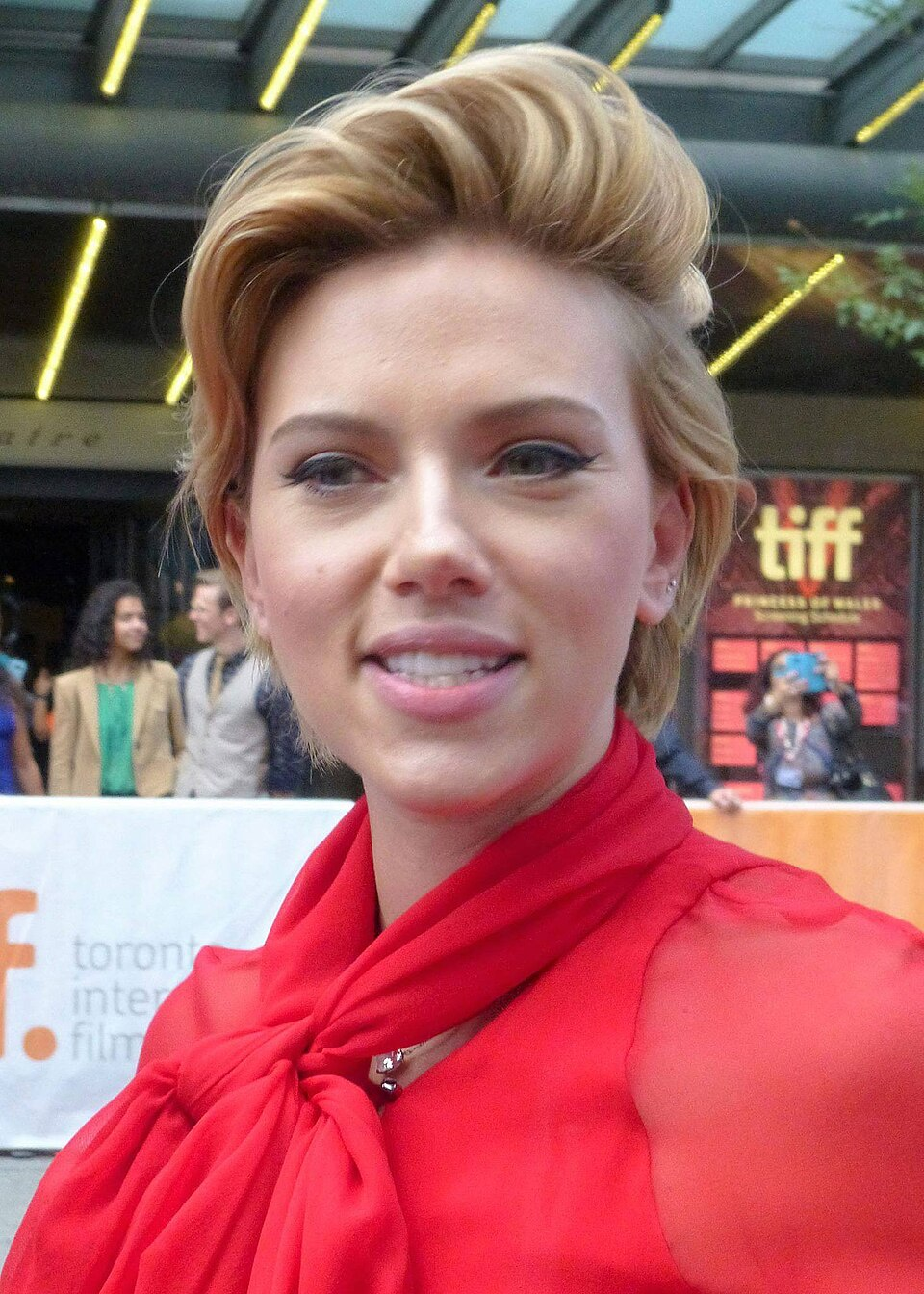
Scarlett Johansson
Delpy’s Madame B. belongs to the history shown around Johansson’s Natasha Romanoff in Age of Ultron.
Read the profile →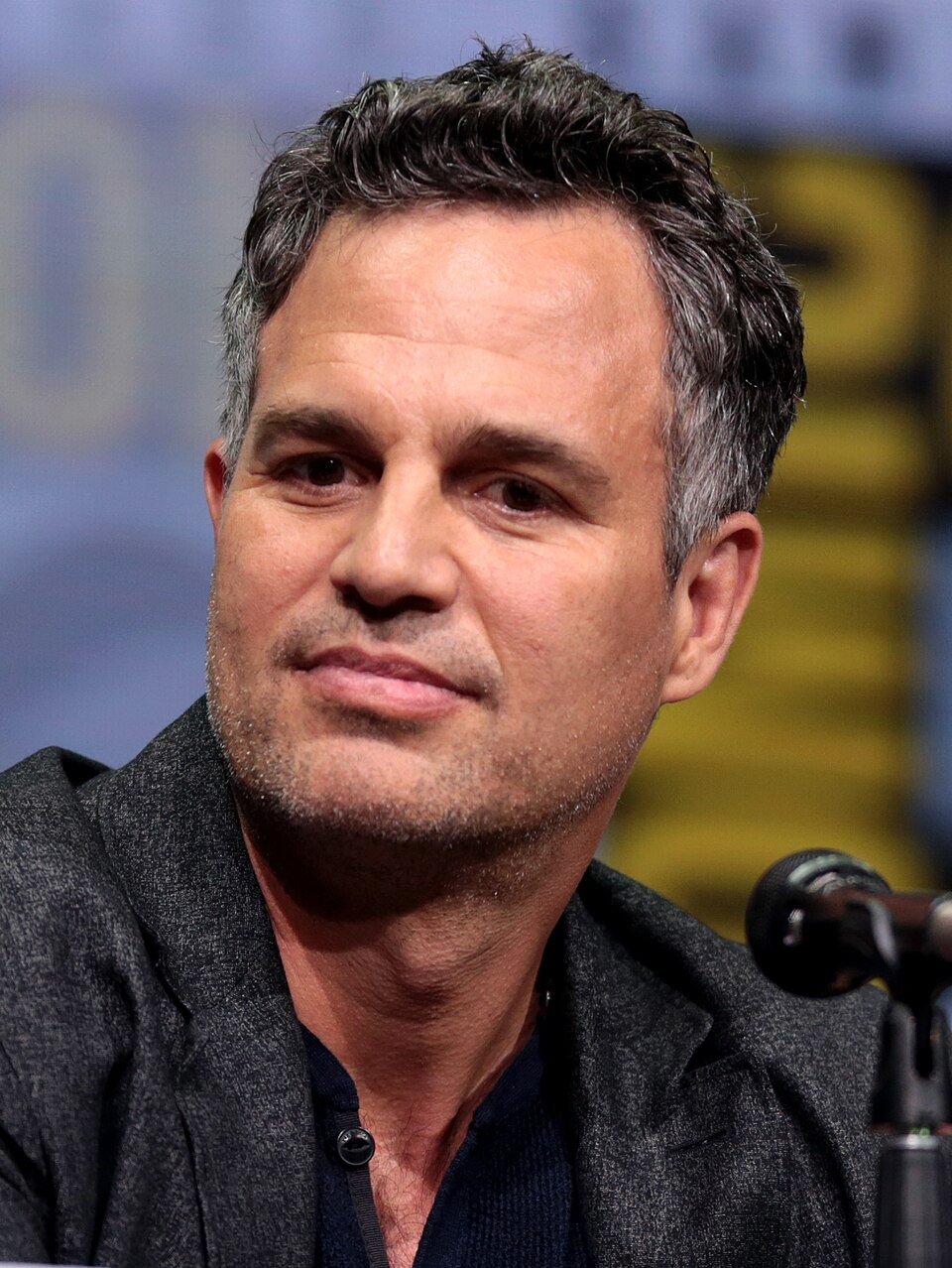
Mark Ruffalo
They appear in Age of Ultron’s ensemble, though Delpy’s own writing and directing provide a very different route through film.
Read the profile →Sources and further reading
- Sony Pictures — Before Midnight
- Academy — The 2014 Oscars
- Academy — The 2005 Oscars
- Julie Delpy — Film credits
- Hot Press — Julie Delpy interview
- Sony Pictures Classics — Before Midnight filmmaker biography
- Sundance — Revisiting the Before Midnight premiere
- PBS SoCal — Delpy on Lolo and writing
Artwork: Original AI-generated portrait of Julie Delpy, created for Famous Faith; not a photograph. The other AI-generated portraits shown here were also created for Famous Faith. No endorsement is implied.
Photograph: Robert Downey Jr. by Gage Skidmore, via Wikimedia Commons, CC BY-SA 2.0. Cropped to a square card for display.

Photograph: Scarlett Johansson by GabboT, via Wikimedia Commons, CC BY-SA 2.0. Cropped to a square card for display.

Photograph: Mark Ruffalo by Gage Skidmore from Peoria, AZ, United States of America, via Wikimedia Commons, CC BY-SA 2.0. Cropped to a square card for display.

Film and book titles identify the works discussed. A career credit is not a recommendation that every reader watch or read that work.